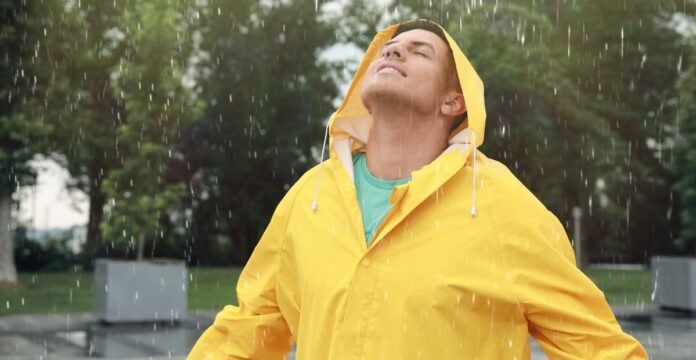
Hardshell rain jackets have been proven to be one of the best forms of outerwear in protecting against extreme weather. A hardshell rain coat will keep you comfortable and dry whether you’re hiking in the mountains or traveling through unpredictable rain. These jackets are essential to outdoor enthusiasts and everyday users.
Hardshell rain jackets have become lighter, stronger and more breathable thanks to advances in fabric technology. Understanding their benefits and uses before purchasing is essential.
This blog will explain everything you need to know about hardshell rain coats, using simple language.
What Are Hardshell Rain Jackets?
A rain jacket has a hardshell outer layer which is waterproof and windproof. It is designed to protect you from harsh weather conditions, heavy rain and strong winds. Hardshell rain jackets are constructed with advanced materials and membranes.
These jackets are usually made from multilayer fabrics and all seams are sealed. Water cannot enter the jacket and sweat moisture can escape.
A hardshell rain jacket is a barrier that protects your body from bad weather.
Why are Hardshell Rain Jackets important?
Hardshell rain jackets provide the maximum weather protection. Light rain jackets are good for brief showers but they can fail when it is heavy or windy.
Hardshell jackets, on the other hand, are made for extreme conditions. Hardshell jackets are used in outdoor activities such as trekking, skiing, and long distance travel.
These jackets can also be used for many years with proper maintenance.
Hardshell rain jackets: Key Features
1. Waterproof Protection
A hardshell raincoat’s most important feature is its excellent waterproofing. Rainwater is prevented from penetrating the fabric by special membranes.
The waterproof rating is usually measured in millimeters. Jackets with higher ratings provide better protection from rain. Hardshell jackets can be used in heavy rain or storms.
2. Breathability
Hardshell jackets are designed to let sweat vapour escape. Breathability is the term for this feature.
The wearer is therefore protected from rain as well as internal moisture. Breathability depends on the fabric and design.
3. Wind Resistance
Hardshell jackets are also windproof. The fabric prevents cold air from passing through, helping to maintain body heat.
These jackets are perfect for cold and windy climates.
4. Durable Construction
The jackets are made from durable and strong fabrics. The jacket is made more durable by increasing the abrasion resistance.
To improve the lifespan, it is common to reinforce areas at the elbows and shoulders.
5. Seam-Sealed design
All seams of a hardshell jacket are sealed with waterproof tape. Water cannot leak through the stitching.
This ensures that the entire system is protected, even in heavy rain.
Hardshell rain jackets come in many different types.

1. Hardshell Jackets with 2 Layers
The waterproof membrane is attached directly to the outer fabric of a 2-layer jacket. A loose lining can be added to the jacket for comfort.
These jackets are both comfortable and affordable. They are therefore suitable for casual outdoor wear.
2. Hardshell jackets with 2.5-Layer Hardshell
The 2.5-layer jackets have a protective layer instead of an inner lining. They are therefore lighter and easier to pack.
The durability of the jackets may be slightly less than that of 3-layer jackets.
3. Three-layer hardshell jackets
The best option is a 3-layer jacket. The outer fabric is bonded to the membrane and the inner lining.
These jackets are designed to offer the best in terms of breathability, waterproofing and durability. These jackets are used by professionals for outdoor activities.
Hardshell rain jackets are made from a variety of materials
Waterproof Membranes
Hardshell jackets that are waterproof and breathable use special membranes. These membranes are made with tiny pores which allow water to pass through but not vapor.
The result is that comfort can be maintained for long periods of time.
Durable Water Repellent Coating
The outer fabric is treated with a DWR. This coating causes water to bead off the outer fabric instead of getting soaked into it.
This coating will wear out over time and you should reapply it.
Outer Shell Fabric
The outer layer is typically made of nylon or polyester. The materials chosen are lightweight and strong.
In addition, ripstop weave is often used for increased durability.
Hardshell rain jackets have many benefits.

1. Full Weather Protection
Hardshell rain jackets offer protection from rain, wind and snow. They are therefore suitable for all seasons.
2. Versatility
These jackets are designed to be worn either alone or over layers of warm clothing. They adapt to changing conditions.
3. Long-Term Investment
Hardshell jackets are more durable than rain jackets. They are therefore a good investment over time.
4. Lightweight and packable options
Modern designs are geared towards reducing weight. Many hardshell jackets are easily folded and packed.
Hardshell Jackets vs Softshell Jackets
Softshell jackets are designed for comfort and flexibility, while hardshell jackets are focused on weather protection.
Hardshell jackets are better at withstanding heavy rain and winds. Hardshell jackets are therefore preferred in extreme weather conditions.
What to Look for When Choosing a Hardshell Rain Jacket
1. Check the Waterproof Rating
Look for jackets with a high rating of waterproofness. Higher-rated jackets perform better when it rains heavily.
2. Consider Breathability
If you tend to sweat a lot choose a jacket that has ventilation zippers and good breathability.
3. Fit and Comfort
The jacket should have enough space to move and layer. It is therefore recommended to try the jacket on before purchasing.
4. Hoods and Adjustments
Adjustable hoods, cuffs and hems help to block wind and rain better.
5. Activity Type
Select a jacket according to your activity. For travel, lightweight jackets work well. Heavy-duty jackets will be better for mountaineering.
Maintenance and Care Tips
Care for your hardshell jacket is essential to ensure that it continues to work properly.
- Use mild detergent
- Avoid fabric softeners
- Reapply DWR when necessary
- Store in a place that is dry
The jacket will continue to perform well for a long period of time.
Common mistakes to avoid
Most people believe that all rain jackets look the same. Hardshell jackets are made for specific weather conditions.
Ignoring care instructions may also reduce the jacket’s lifespan. Proper use and maintenance is essential.
Environmental Considerations
Many brands today are focused on eco-friendly products. Many brands are using recycled fabrics and PFC free coatings.
Hardshell rain jackets become more environmentally friendly as a result.
Hardshell rain jackets are used for a variety of purposes.
- Hiking and trekking
- Mountaineering
- Skiing and snowboarding
- Travelling
- Rainy days commuters
These jackets are extremely versatile.
Conclusion
Hardshell rain jackets can be a great piece of clothing to have for those who are exposed to rain, wind or other harsh weather conditions. They are durable, waterproof, and breathable.
They may be more expensive than rain jackets but their durability and performance make them an excellent investment. Choosing the right hardshell jacket will improve your comfort and safety when you are doing outdoor activities and everyday tasks.
FAQs
Are hardshell jackets breathable?
Yes, hardshell jackets are breathable. Sweat vapor is allowed to escape while rain is kept out, helping you stay dry and comfortable.
Are hardshell rain jackets fully waterproof?
Yes, hardshell rain jackets are fully waterproof because sealed seams and special membranes are used to block water completely.
What is a hardshell rain jacket?
A hardshell rain jacket is a waterproof and windproof outer layer designed to protect against heavy rain, strong wind, and harsh weather conditions.