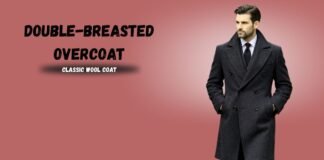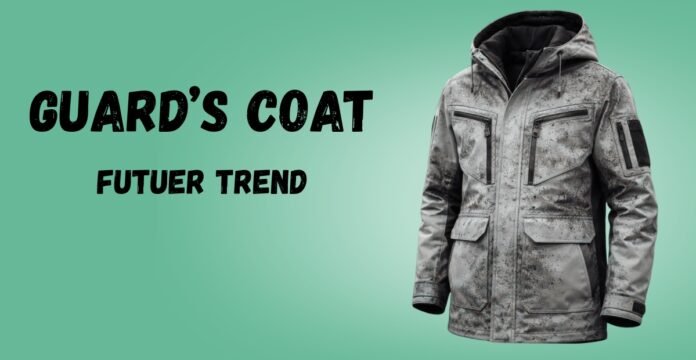
The Guards Coat is a classic outerwear item that has a long history and is elegant. This iconic coat was originally designed for military guards to stand watch in harsh weather. It has now evolved into an essential fashion item. It has become a fashion staple not just because of its timeless style, but also its functional design.
Trends are constantly changing in today’s fashion world. The Guard’s Overcoat, however, continues to be relevant. Its structured silhouette, premium fabrics, and heritage-inspired designs have earned it a permanent spot in modern wardrobes. Anyone who appreciates classic fashion should be familiar with its features, origin, styling options and care.
What is a Guard Coat?
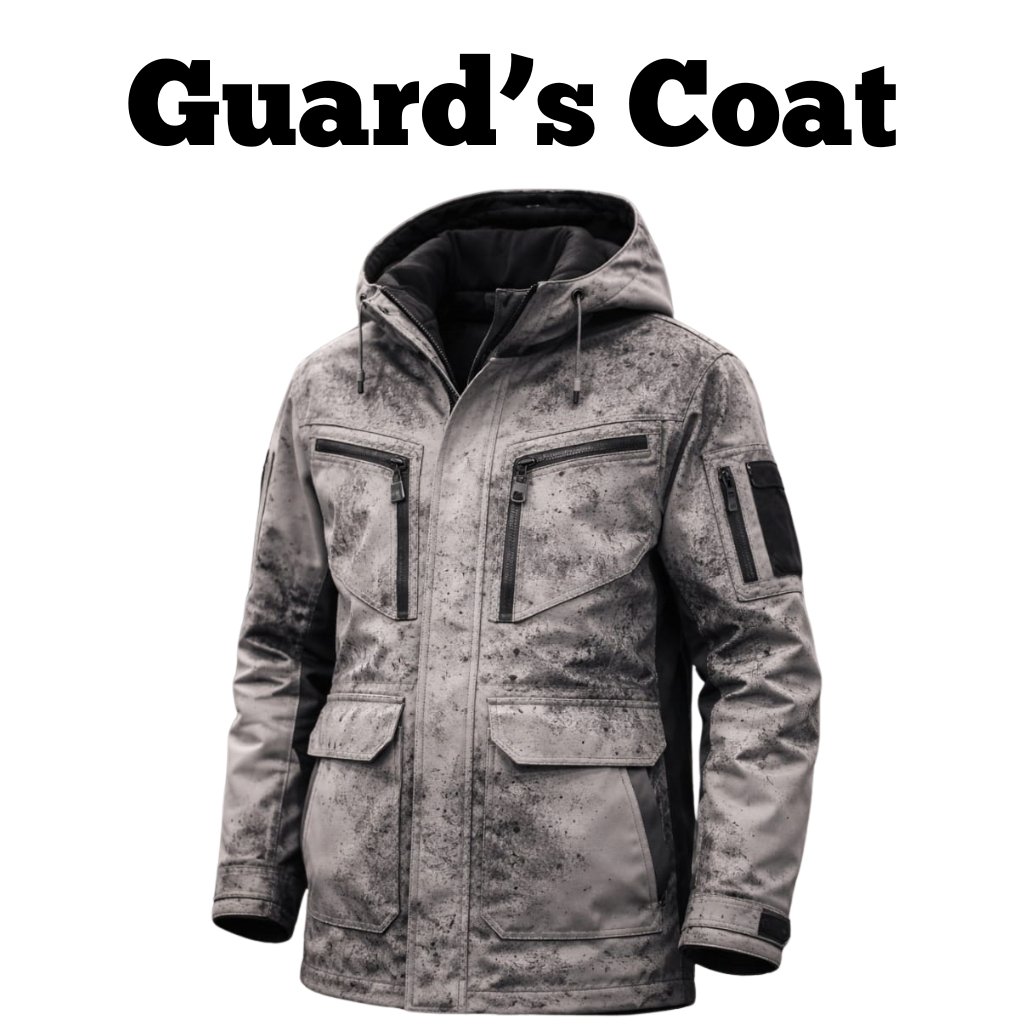
A guard’s coat is an overcoat that has been worn for centuries by military and ceremonial security personnel, particularly in cold climates. The coat was designed to provide maximum warmth, while still maintaining a formal look. Durability and elegance were therefore given priority during construction.
The coat is usually characterized by a front with double-breasted , large lapels and structured shoulders. It can also be knee-length, or even longer. Wool fabric with a thicker weave is often used to ensure excellent insulation. It was originally designed as a military garment that served a purpose. However, over time it became a popular civilian style. It is worn today as a sign of sophistication and confidence.See morte…
The History of the Guard Coat
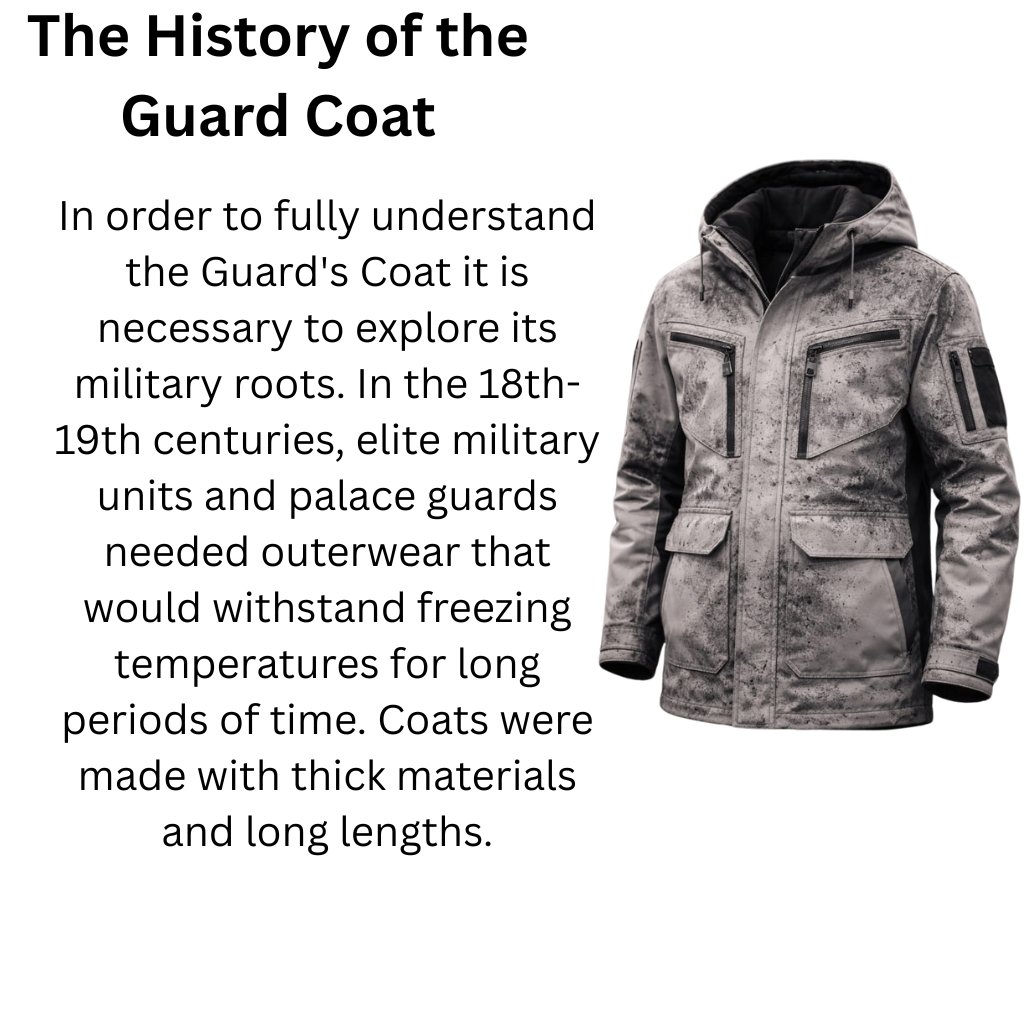
In order to fully understand the Guard’s Coat it is necessary to explore its military roots. In the 18th-19th centuries, elite military units and palace guards needed outerwear that would withstand freezing temperatures for long periods of time. Coats were made with thick materials and long lengths.
Uniforms at that time were designed to symbolize power and discipline. The Guard’s Coat is tailored to perfection and structure. The thick wool used was designed to block the cold wind, and the double-breasted style allowed for additional layers underneath. The result was that guards were kept warm without having to sacrifice their appearance.Read more…
In time, military fashion began to influence civilian clothing. The Guard’s Coat evolved from an official uniform to a fashionable outerwear. It became synonymous with elegance, authority and masculinity over time.
The Key Features of a Guard Coat
The traditional Guard’s Coat has a few distinguishing features, even though there are modern interpretations. These features give the coat its distinct character.
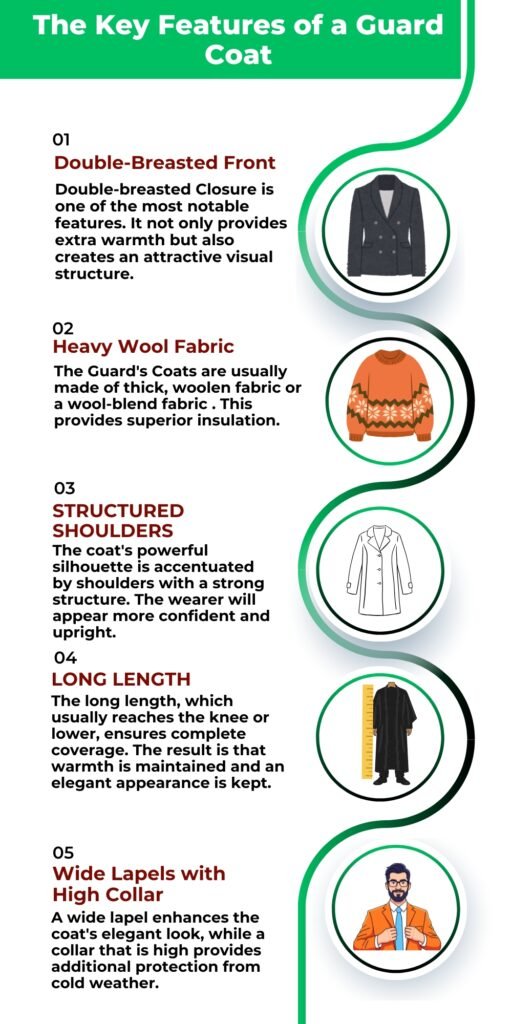
Double-Breasted Front
Double-breasted Closure is one of the most notable features. It not only provides extra warmth but also creates an attractive visual structure. The large buttons are traditionally arranged in a symmetrical pattern, which reinforces the coat’s heritage.
Heavy Wool Fabric
The Guard’s Coats are usually made of thick, woolen fabric or a wool-blend fabric . This provides superior insulation. The fabric can be tightly woven in many cases. This makes the coats resistant to light moisture and wind.
Structured Shoulders
The coat’s powerful silhouette is accentuated by shoulders with a strong structure. The wearer will appear more confident and upright. Originally, this design element was intended to convey authority and discipline.
Long Length
The long length, which usually reaches the knee or lower, ensures complete coverage. The result is that warmth is maintained and an elegant appearance is kept.
Wide Lapels with High Collar
A wide lapel enhances the coat’s elegant look, while a collar that is high provides additional protection from cold weather. The collar can often be raised to create a classic and dramatic look.Learn more…
Why the Guard Coat is still Popular Today
The Guard’s Coat is a timeless classic. Its popularity is due to a number of factors.
timeless designs play a key role. The coat is timeless because it avoids over-detailing. Second, versatility enables it to be worn both in formal and informal settings. The of the coat is associated with authority and strength, giving it a unique appearance.
Modern designers have also updated the Guard’s Coat by using lighter and slimmer materials. It appeals to modern fashionistas while maintaining its classic essence.Read more…
Guard’s Coat and Other Classic Overcoats
The Guard’s Coat is a distinct overcoat, despite the fact that there are many other options.
The Guard’s Coat is more structured and commanding than a Chesterfield Coat. It is warmer than a trench coat because of its thicker fabric. It also provides a more formal and longer silhouette than a peacoat.
The Guard’s Coat will appeal to those who are interested in authority, warmth and heritage.See more…
How to style a guard’s coat
The versatility of the Guard’s Coat’s styling is one of its greatest benefits. Its clean lines and classic style make it easy to pair with many outfits.
Formal Style
The coat can also be worn with a tailored suit for formal occasions. Its elegance is enhanced by dark colors like black or navy. The look is completed by leather gloves and polished dress footwear. The result is a polished and professional look.
Smart Casual Styling
Pair the coat with chinos or wool trousers and a knitted sweater. Chelsea boots are also a great option. The look is polished, but relaxed.
Casual Winter Style
The Guard’s Coat is a great choice for casual wear. It adds sophistication when worn with jeans and a turtleneck over boots. It proves that military fashion can be stylish and practical.Learn more…
Choose the right guard’s coat for your body type
The right fit is crucial to achieving a great look.
- Slim-fit body types can benefit from tailor-made or slim-fitted designs.
- The average looks best in classic styles that provide balance.
- Wider frames Should choose slightly relaxed cuts to feel comfortable.
The coat’s structure is determined by the shoulder length and fit.
The Best Colors to Choose for a Guard Coat
In the past, Guard’s Coats came in darker colors. However, modern fashion allows for greater variety.
- Black– timeless and formal
- Navy is versatile and elegant
- Charcoal grey is ideal for business attire
- Olive green or military-green – honors the coat’s heritage
- Camel or Brown – adds warmth to modern style
Color selection should therefore be based upon personal taste and intended usage.See more…
Seasonal Clothing and Climate Suitability
The Guard’s Coat, due to its heavy construction is best for fall and winter. It performs well in extremely cold climates. Wool blends that are lighter can be worn in transitional seasons.
Modern versions are more breathable. Comfort is therefore maintained, even when wearing the product for a long time.
How to care for a guard’s coat
Your Guard’s Coat will last for many years with proper care.
- Dry cleaning is necessary at least once a year
- Regular brushing of the coat is recommended
- The clothes should be hung on a sturdy hanger
- Avoid excessive washing
The fabric and structure of the coat will be preserved if you follow these steps.
Is it Worth the Investment to Buy a Guard Coat?
The Guard’s Coat can be a good investment in the long run. The cost of high-quality versions is justified by their timeless appeal and durability. The coat is timeless and can be worn in many seasons.
A well-made Guard’s Coat is often a wardrobe staple. It has both a functional and an emotional value.
The Guard’s Coat as Modern Fashion
In recent years heritage fashion has been making a comeback. The Guard’s Coat is now seen on the runways as well as in street style collections. Modern designs are characterized by updated fits, minimalistic buttons, and refined materials.
The core identity of the coat remains unchanged. It successfully combines tradition with contemporary style.
Conclusion: The Guard’s Coat Will Never Go Out of Style
The guard’s coat is much more than an outerwear item. It is a symbol of strength, discipline and timeless elegance. It has proven to be relevant throughout its history, from its military origins up until its modern adaptations.
It is a winter essential for those who want to look sophisticated. The Guard’s Coat is a timeless classic that can be worn in a formal or casual setting.Read more…
FAQs
What is a Guard’s Coat?
A Guard’s Coat is a long, heavy overcoat originally worn by military and ceremonial guards. It is designed to provide warmth, durability, and a formal, authoritative appearance.
Why is the Guard’s Coat double-breasted?
The double-breasted design offers extra insulation by overlapping fabric layers. Additionally, it creates a structured and commanding silhouette, reflecting the coat’s military heritage.
What fabric is used in a Guard’s Coat?
Traditionally, Guard’s Coats are made from thick wool or wool-blend fabrics. As a result, excellent warmth, wind resistance, and durability are provided.