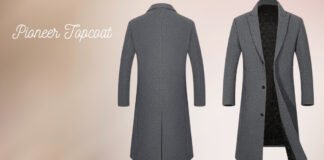
Grade-A cashmere fabric is the ultimate in luxury when it comes to textiles. It is praised for its softness and warmth. This fabric is now a favorite for luxury outerwear and timeless wardrobe staples.
This guide will cover everything you need about Grade A cashmere wool fabric. This article will help you understand the benefits of Grade A Cashmere, its uses and its care. It will also explain its origins, quality standards, its uses and its care.
What is Grade A Cashmere wool fabric?
The finest and longest fibers are sourced from cashmere sheep, which can be found mainly in Mongolia, Inner Mongolia and China. The Grade A cashmere comes from the undercoat, which is naturally smoother and thinner.
Grade-A cashmere fibers are typically 14-15 microns in diameter, which makes them extremely soft on the skin. This fine diameter reduces irritation and provides unmatched comfort. In addition, only the finest fibers are chosen, and shorter or coarser hairs will be removed during processing.
Why Cashmere of Grade A is the best
The finest fibers and lengths available
Cashmere Wool Fabric of Grade A is valued for its longer fibre length. The longer fibers create smoother yarns which result in stronger, more durable fabrics. Cashmere garments of Grade A resist piling better than lower grades.
The fineness of the fibres also ensures the fabric is exceptionally soft. Cashmere of Grade B or C may be slightly rougher, but Grade A has a smooth texture which enhances comfort.
Softness and comfort that is unsurpassed
Cashmere Wool Fabric of grade A is characterized by its softness. The fibers are silky and lightweight, so they feel soft on the skin and drape beautifully. This fabric is used for scarves and sweaters as well as coats and shawls.
The fabric’s breathability keeps you warm without overheating. Cashmere of Grade A is suitable for all climates because it has the right balance between insulation and airflow.
The ethical and sustainable sourcing of grade A cashmere
Sustainability has gained importance in recent years. The good news is that reputable cashmere producers prioritize ethical farming practices and ethical sourcing.
Cashmere goats will be combed gently by hand, during the molting period. In this way, the animal welfare and environmental impact are reduced. In addition, sustainable grazing techniques are used to protect ecosystems and grasslands.
Cashmere wool fabrics of Grade A, sourced responsibly, not only offer luxury but also support long-term environmental balance.
Cashmere wool fabric grade A is made
Fiber Sorting and Collection
Cashmere is first collected by hand combing. The fibers are then sorted according to color, length and fineness. Only the finest fibers will be selected at this stage for a Grade A classification.
Cleaning and Dehairing
The fibers are then cleaned to remove dirt, impurities and other contaminants. Next, the dehairing procedure is used to separate the soft undercoat from the coarse guard hairs. This step is vital, as it guarantees the smooth texture of Grade A cashmere Cashmere Wool Fabric.
Spinning and Weaving
The fibers are then spun into yarn. The Grade A fibers are durable and consistent because of their strength and length. The yarn is then woven or knitted using advanced techniques to preserve softness and structural integrity.
The finished fabric will have a luxurious, refined feel.
Cashmere wool fabric grade A: Benefits

Warmth Unmatched without Weight
High insulation capacity is one of the best features of cashmere fabric grade A. The fabric is light, but it traps air effectively, providing warmth with minimal bulk. It is therefore ideal for winter and layering.
Breathability & Temperature Regulation
Cashmere Wool Fabric regulates its temperature naturally, unlike synthetic fabrics. Cashmere is a natural thermo-regulator, so it will keep you warm when the weather is cold but breathable during milder conditions. Cashmere of Grade A is suitable for all seasons because of its versatility.
Long-Lasting Durability
Cashmere Grade A garments will last many years if they are properly maintained. The fabric retains its softness and shape over time because longer fibers are being used. Reduced pilling also improves the appearance and longevity of garments.
Cashmere Wool Fabric Grade A: Common Applications
Coats, outerwear and luxury coats
High-end overcoats and tailored jackets are often made from cashmere fabric of Grade A. Its insulating qualities and elegant drape provide warmth and sophistication.
Sweaters and Knitwear
Cashmere Wool Fabric knitwear is a wardrobe essential. From crewnecks and fine cardigans to classic crewnecks, it’s a staple. Cashmere Grade A is soft and ideal for clothing worn next to the skin.
Scarves and Shawls
Cashmere scarves and wraps are also highly desired. These are stylish, lightweight and comfortable. They can be worn for formal or casual occasions.
Grade A Cashmere and Other Cashmere grades
Grade A vs Grade B Cashmere
Cashmere of Grade B typically measures between 18-19 microns. It is still soft, but it does not have the same refined feel as Grade A. The garments of Grade B are also more likely to wear and pill over time.
Grade A vs Grade C Cashmere
Cashmere grade C is made from fibers that are thicker, sometimes exceeding 20 microns. It is coarser in texture and usually blended with another fiber. Cashmere of Grade A is pure, luxurious, and soft.
Cashmere of Grade A is the best choice for premium quality.
What is Genuine Grade A Cashmere Fabric?
Check the Fiber Softness
Cashmere of Grade A is exceptionally soft to the touch. The fabric may not be Grade A if it feels rough or itchy.
Minimal pilling is a good sign
Cashmere Wool Fabric of higher quality has longer fibers, which means it pills less. Even though slight pilling is normal, excessive pilling indicates a lower-quality cashmere.
Please read product labels carefully
Reputable brands clearly indicate the fiber composition and grade. Always check the labels and certifications of products before buying.
Care for Cashmere Wool Fabric Grade A

Proper Washing Techniques
Cashmere is best washed with cold water, and a mild detergent. Avoid harsh chemicals as they can damage the fibers.
Drying and Storage
The garments should then be dried flat. Hanging can distort garments’ shape. Folding is the best method of storage. Use breathable garment bags to keep moths at bay.
Preventing Damage
Avoid excessive friction to maintain fabric softness. Regular gentle brushing will also help to remove surface lint from the fabric and maintain its appearance.
Why Cashmere Grade A is Worth the Investment
Although it is more expensive, Grade A cashmere fabric offers an exceptional value over the long term. Its durability, comfort and timeless appeal make it outlast cheaper alternatives. Its classic elegance also ensures that it will never go out of fashion.
Cashmere of Grade A is therefore a great investment for your wardrobe.
Fashion Trends Featuring Grade A Cashmere
Cashmere of Grade A continues to be a staple in luxury fashion. Designers are increasingly focusing on minimalist silhouettes to highlight the fabric quality. Cashmere coats and oversized sweaters are timeless yet trendy.
Neutral tones, such as camel or ivory, are also popular, because they allow the fabric’s natural beauty to shine through.
Grade A Cashmere for Custom Tailoring
Cashmere wool is often used in custom tailoring for coats and suits. Its drape and flexibility allow it to adapt beautifully to structured design. It is therefore commonly used for premium tailoring in both menswear and ladieswear.
Blending Grade A Cashmere with fine Wool can also increase durability and softness.
Cashmere Wool Grade A Fabric Demand in the Global Market
Cashmere of Grade A continues to be in high demand around the world as luxury markets continue to expand. Cashmere is increasingly used by countries known for their fine tailoring or fashion craftsmanship. It has therefore become a global symbol of fine taste and high quality.
Final Thoughts
Grade-A cashmere fabric is the ultimate in luxury textiles. It is a favorite of designers and consumers alike because it offers unsurpassed softness, warmth and durability.
The rewards of cashmere are unquestionable, even though it is a delicate fabric that requires care. Cashmere of Grade A elevates all garments, from sophisticated coats to everyday knitting. Cashmere of Grade A is synonymous with comfort, style and timeless luxury.