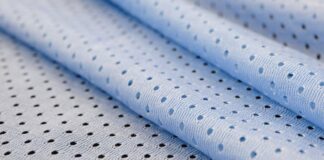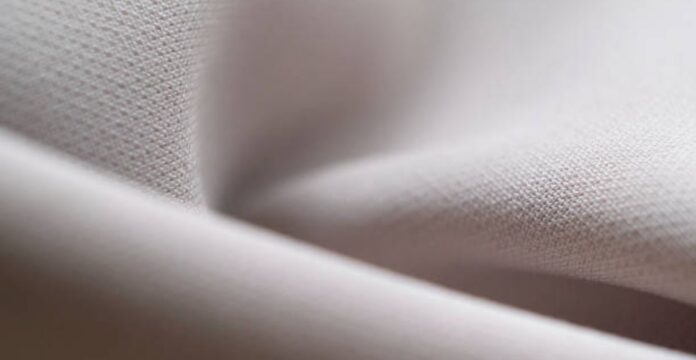
Modern sportswear requires comfort, flexibility, and performance. Therefore, advanced fabrics now play a huge role in athletic clothing. One such innovation is Flex Motion Stretch Fabric. This material improves movement while maintaining comfort and durability. As a result, athletes can train harder without discomfort.
In recent years, activewear technology has evolved quickly. Brands constantly search for fabrics that enhance performance. Consequently, stretch fabrics have become essential in gym wear, yoga clothing, and running outfits. Among these innovations, Flex Motion Stretch Fabric stands out.
Furthermore, this fabric offers excellent elasticity and breathability. It supports body movement while maintaining shape. Because of these qualities, many sportswear brands now prefer this advanced textile. Today, it represents the future of modern performance clothing.
Flex Motion Stretch Fabric is a performance textile designed for movement and comfort. It stretches easily while maintaining its original shape. Therefore, athletes can move freely without fabric restrictions.
Moreover, this fabric combines synthetic fibers with elastic materials. These fibers allow the material to stretch in multiple directions. As a result, clothing made from this fabric adapts to body motion naturally.
History of Flex Motion Stretch Fabric
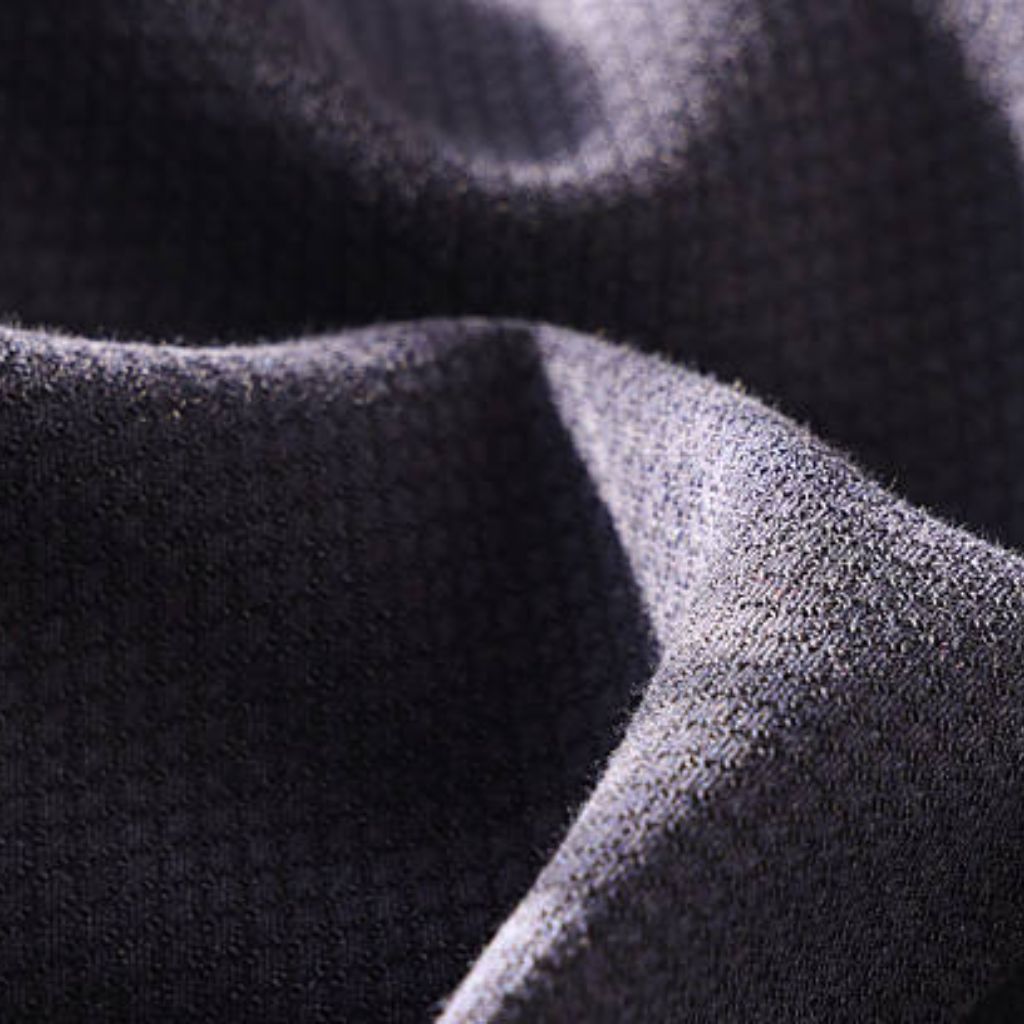
The history of Flex Motion Stretch Fabric connects closely with the evolution of stretch textiles in sportswear. In the early days, athletes mainly used cotton clothing. Although cotton felt soft, it absorbed sweat quickly and became heavy. Therefore, it was not ideal for intense physical activities. As sports performance improved, clothing manufacturers began searching for better materials.
During the mid-20th century, textile innovation introduced elastic fibers such as spandex and elastane. These fibers changed the clothing industry completely. For the first time, fabrics could stretch and return to their original shape. As a result, sportswear became more flexible and comfortable. Athletes could move more freely without feeling restricted by stiff clothing.
Types of Flex Motion Stretch Fabric
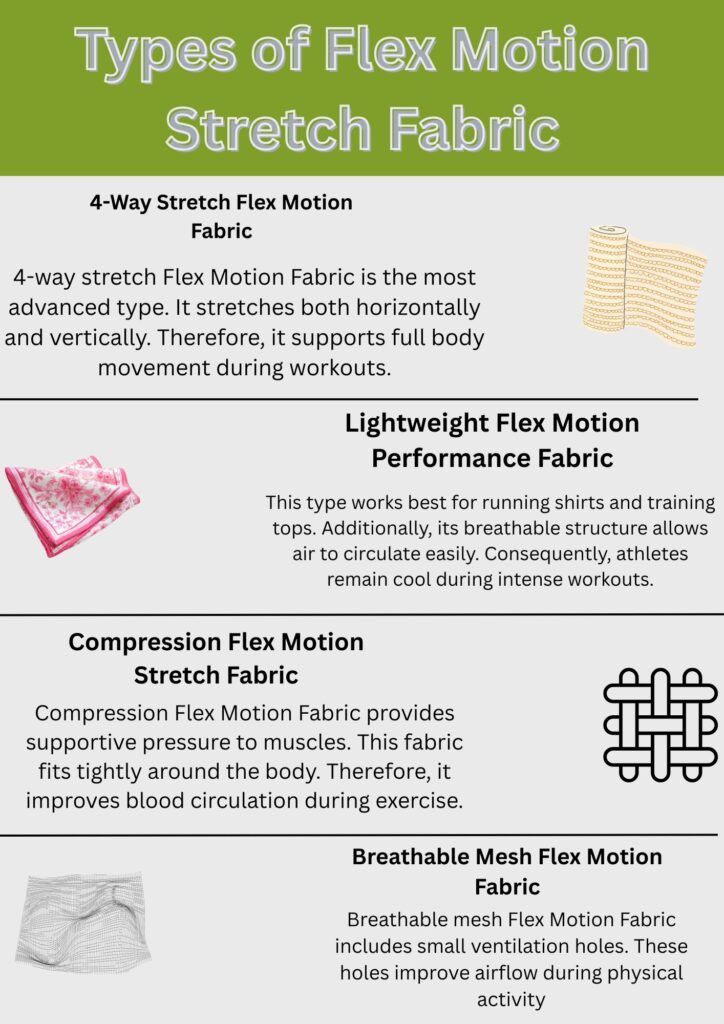
Flex Motion Stretch Fabric is available in several types. Each type is designed for specific sports activities and clothing needs. Manufacturers adjust fiber blends, fabric weight, and knitting structures to create different variations. Therefore, each type offers unique levels of stretch, breathability, and durability.
Moreover, the choice of fabric type often depends on the activity. For example, yoga clothing requires extreme flexibility, while outdoor apparel requires durability. Because of these differences, textile engineers create multiple types of Flex Motion Stretch Fabric for modern activewear.
4-Way Stretch Flex Motion Fabric
4-way stretch Flex Motion Fabric is the most advanced type. It stretches both horizontally and vertically. Therefore, it supports full body movement during workouts.
Athletes prefer this fabric for activities that require flexibility. For example, yoga, running, and gym training benefit from this stretch capability. As a result, clothing made from this fabric feels natural and comfortable.
Lightweight Flex Motion Performance Fabric
Lightweight Flex Motion Fabric focuses on comfort and breathability. Manufacturers create it using fine polyester fibers blended with elastane. Therefore, the fabric feels light on the body.
This type works best for running shirts and training tops. Additionally, its breathable structure allows air to circulate easily. Consequently, athletes remain cool during intense workouts.
Compression Flex Motion Stretch Fabric
Compression Flex Motion Fabric provides supportive pressure to muscles. This fabric fits tightly around the body. Therefore, it improves blood circulation during exercise.
Athletes often wear compression garments during training or competition. Moreover, the stretch fibers maintain comfort while providing muscle support. As a result, recovery and performance may improve.
Breathable Mesh Flex Motion Fabric
Breathable mesh Flex Motion Fabric includes small ventilation holes. These holes improve airflow during physical activity. Therefore, the body stays cooler during workouts.
Sportswear brands often use this fabric in gym shirts and sports jerseys. Additionally, it works well in high-sweat areas of clothing. Consequently, athletes experience better temperature control.
What Is Flex Motion Stretch Fabric?
Flex Motion Stretch Fabric refers to a modern performance textile. It combines elasticity, durability, and breathability. Therefore, it suits athletic clothing perfectly.
Manufacturers design this fabric specifically for sportswear and activewear. It allows free movement while maintaining comfort. Because of this balance, it has become popular in the fitness industry.
Furthermore, the fabric structure supports repeated stretching. It quickly returns to its original shape. Consequently, clothing remains comfortable even after long use.
Definition of the Fabric
Flex Motion Stretch Fabric is an engineered textile designed for high mobility. It stretches easily without losing strength. Therefore, it works well for active clothing.
This fabric blends synthetic fibers with elastic components. As a result, it provides flexibility and durability. Many sportswear brands now rely on it.
How It Is Manufactured
Manufacturers create this fabric using advanced textile technology. First, they blend polyester with elastane or spandex fibers. These materials provide stretch and durability.
Next, machines knit or weave the fibers together. This process forms a flexible fabric structure. Consequently, the material stretches smoothly in multiple directions.
Materials Used (Polyester, Spandex, Elastane Blends)
Flex Motion Stretch Fabric usually contains polyester as the base fiber. Polyester adds strength and durability to the fabric. Therefore, the material lasts longer.
Spandex or elastane fibers add elasticity. These fibers allow the fabric to stretch significantly. As a result, clothing remains flexible and comfortable during movement.
Why Flex Motion Stretch Fabric Is Important in Modern Activewear
Flex Motion Stretch Fabric has become essential in modern sportswear. Athletes and fitness enthusiasts demand clothing that supports comfort and performance. Therefore, advanced stretch fabrics now play a major role in activewear design. Unlike traditional textiles, this fabric adapts to body movement easily. As a result, athletes experience greater freedom during training and sports activities. Moreover, the fabric combines flexibility, breathability, and durability in one material. Because of these qualities, many sportswear brands prefer Flex Motion Stretch Fabric for their products.
Another important reason is the increasing popularity of fitness lifestyles. More people now participate in gym workouts, yoga sessions, and outdoor sports. Consequently, they need clothing that can handle intense movement. Flex Motion Stretch Fabric provides the required flexibility and support. Additionally, its moisture-wicking ability keeps the body dry during exercise. Therefore, athletes remain comfortable even during long training sessions.
Key Features of Flex Motion Stretch Fabric
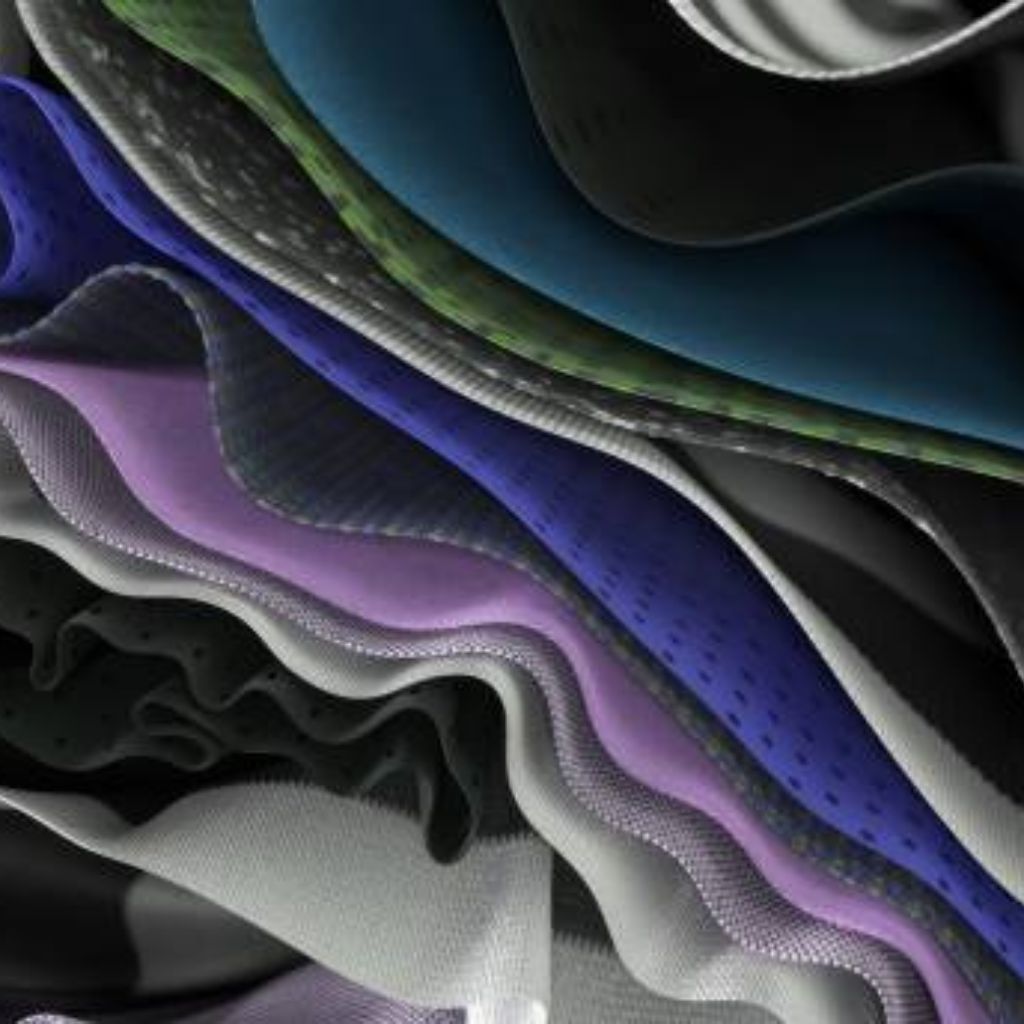
Flex Motion Stretch Fabric offers several performance benefits. These features make it ideal for modern sportswear. Athletes require clothing that supports comfort and mobility. Therefore, advanced fabrics must provide flexibility and breathability.
Additionally, the fabric structure improves moisture control. It also maintains durability after repeated use. Because of these qualities, it has become popular among athletes.
4-Way Stretch Flexibility
The most important feature is four-way stretch capability. This means the fabric stretches horizontally and vertically. Therefore, it follows body movement naturally.
As a result, athletes experience fewer movement restrictions. This flexibility improves comfort during exercise.
Moisture-Wicking Technology
Another key feature is moisture-wicking technology. This system pulls sweat away from the skin. Consequently, the body stays dry during workouts.
Additionally, the fabric spreads moisture across its surface. This helps sweat evaporate quickly.
Breathability
Breathability is essential for sports clothing. Flex Motion Stretch Fabric allows air to circulate easily. Therefore, it prevents overheating during exercise.
Moreover, breathable fabrics help regulate body temperature. This improves overall comfort.
Lightweight Comfort
Athletes prefer lightweight clothing during training. Fortunately, this fabric remains extremely light. Therefore, it does not feel heavy during movement.
As a result, athletes can focus on performance instead of clothing weight.
Durability and Wrinkle Resistance
Durability also makes this fabric attractive. The material resists damage from frequent stretching. Therefore, it lasts longer than regular fabrics.
Additionally, it resists wrinkles. This keeps clothing looking neat after washing.
Quick-Dry Capability
Flex Motion Stretch Fabric dries quickly after sweating or washing. This feature improves convenience for athletes. As a result, clothing becomes ready for use sooner.
Benefits of Flex Motion Stretch Fabric for Athletes
Athletes need clothing that supports performance and comfort. Flex Motion Stretch Fabric provides several advantages. These benefits improve workout experience and athletic performance.
Furthermore, modern training requires flexible clothing. Therefore, stretch performance fabrics play an important role in sportswear.
Improves Range of Motion
This fabric stretches easily in multiple directions. Therefore, athletes can move freely during workouts.
As a result, exercises become easier and safer.
Reduces Fabric Restriction During Workouts
Traditional fabrics often limit movement. However, stretch performance fabrics adapt to body motion.
Consequently, athletes feel less restriction while training.
Keeps the Body Cool and Dry
Moisture-wicking fibers remove sweat from the skin. Therefore, the body remains cool during exercise.
Additionally, breathability helps maintain temperature balance.
Enhances Performance in Sports and Training
Comfort improves athletic focus and performance. When clothing fits well, athletes move naturally. Therefore, they perform better during training sessions.
Flex Motion Stretch Fabric vs Regular Stretch Fabric
Both fabrics provide elasticity. However, performance stretch fabrics offer additional advantages.
| Feature | Flex Motion Stretch Fabric | Regular Stretch Fabric |
|---|---|---|
| Stretchability | 4-way stretch flexibility | Limited stretch |
| Breathability | High airflow | Moderate airflow |
| Comfort | Very comfortable | Basic comfort |
| Durability | Long-lasting | Moderate durability |
| Performance | Designed for sports | Everyday use |
Flex Motion Stretch Fabric vs Spandex or Elastane
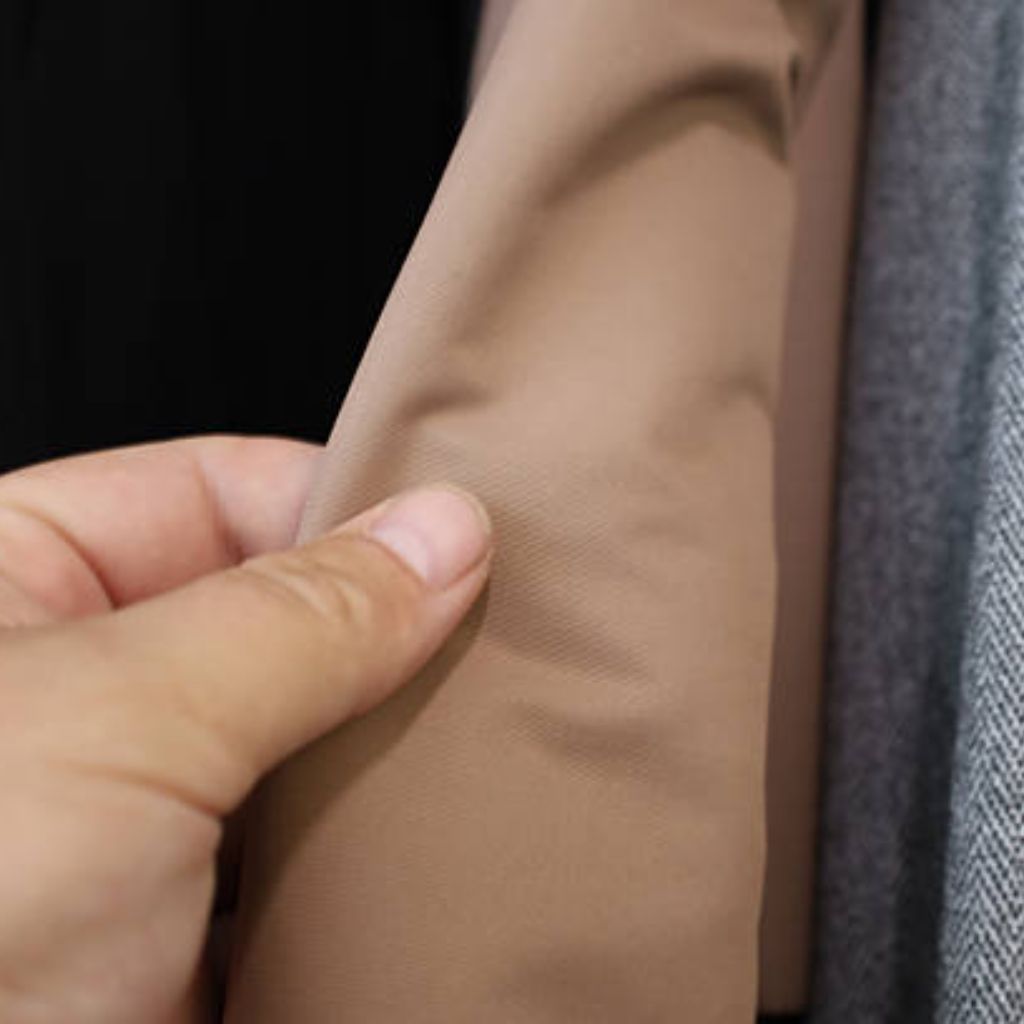
Although related, these materials differ in function.
Spandex or elastane are fibers. However, Flex Motion Stretch Fabric is a complete textile system.
Differences in Elasticity
Spandex provides elasticity alone. However, stretch performance fabrics combine several fibers.
Therefore, they offer balanced flexibility and durability.
Performance in Sportswear
Flex Motion Stretch Fabric improves moisture control and breathability. Spandex alone cannot provide these features.
Comfort Levels
Because of blended fibers, this fabric feels softer and lighter. Therefore, it offers better comfort for athletes.
Industries Using Flex Motion Stretch Fabric
Several industries use this fabric today. The sports and fashion industries rely heavily on performance textiles.
Sportswear Brands
Major sports brands use stretch fabrics in activewear collections. These fabrics support athletic performance.
Fitness Apparel Manufacturers
Fitness clothing manufacturers design gym wear using flexible textiles. Therefore, stretch fabrics remain essential.
Outdoor Clothing Companies
Outdoor apparel companies also use stretch fabrics. These materials support hiking and climbing movements.
Athleisure Fashion Industry
Athleisure combines fashion with sportswear comfort. Therefore, stretch fabrics play a key role.
Common Uses of Flex Motion Stretch Fabric
Flex Motion Stretch Fabric is widely used in modern activewear because of its flexibility, durability, and comfort. Its versatility makes it suitable for multiple sports and lifestyle applications. This fabric supports a wide range of movements while keeping the wearer cool and dry. As a result, it has become a go-to choice for both professional athletes and fitness enthusiasts.
Moreover, the fabric’s lightweight structure and quick-dry capabilities make it practical for everyday workouts. It adapts to the body’s movement without losing shape, making it ideal for intense physical activities. Today, sportswear brands and designers rely on this material for creating functional and stylish garments.
Gym Wear
Gym clothing needs to be flexible, breathable, and comfortable. Flex Motion Stretch Fabric meets these requirements perfectly. It allows for unrestricted movement during strength training, cardio, or high-intensity workouts. Gym shirts, hoodies, and training pants made from this fabric provide excellent comfort while resisting sweat buildup.
Running Clothes
Runners require clothing that stretches naturally with their stride. Flex Motion Stretch Fabric allows free motion and reduces friction. Its lightweight and breathable structure ensures better temperature regulation during long runs. Additionally, moisture-wicking properties help keep runners dry, preventing chafing and irritation.
Yoga Outfits
Yoga and pilates require maximum flexibility in clothing. Flex Motion Stretch Fabric stretches easily in all directions, adapting to complex poses and movements. It maintains comfort and breathability throughout sessions. Consequently, yoga pants, tops, and leggings made from this fabric are highly popular.
Training Shorts
Training shorts need to be both durable and flexible. Flex Motion Stretch Fabric provides a lightweight fit that allows for jumping, squatting, and running without restriction. The material maintains its shape even after repeated use, making it ideal for everyday training gear.
Best Materials Used in Flex Motion Stretch Fabric
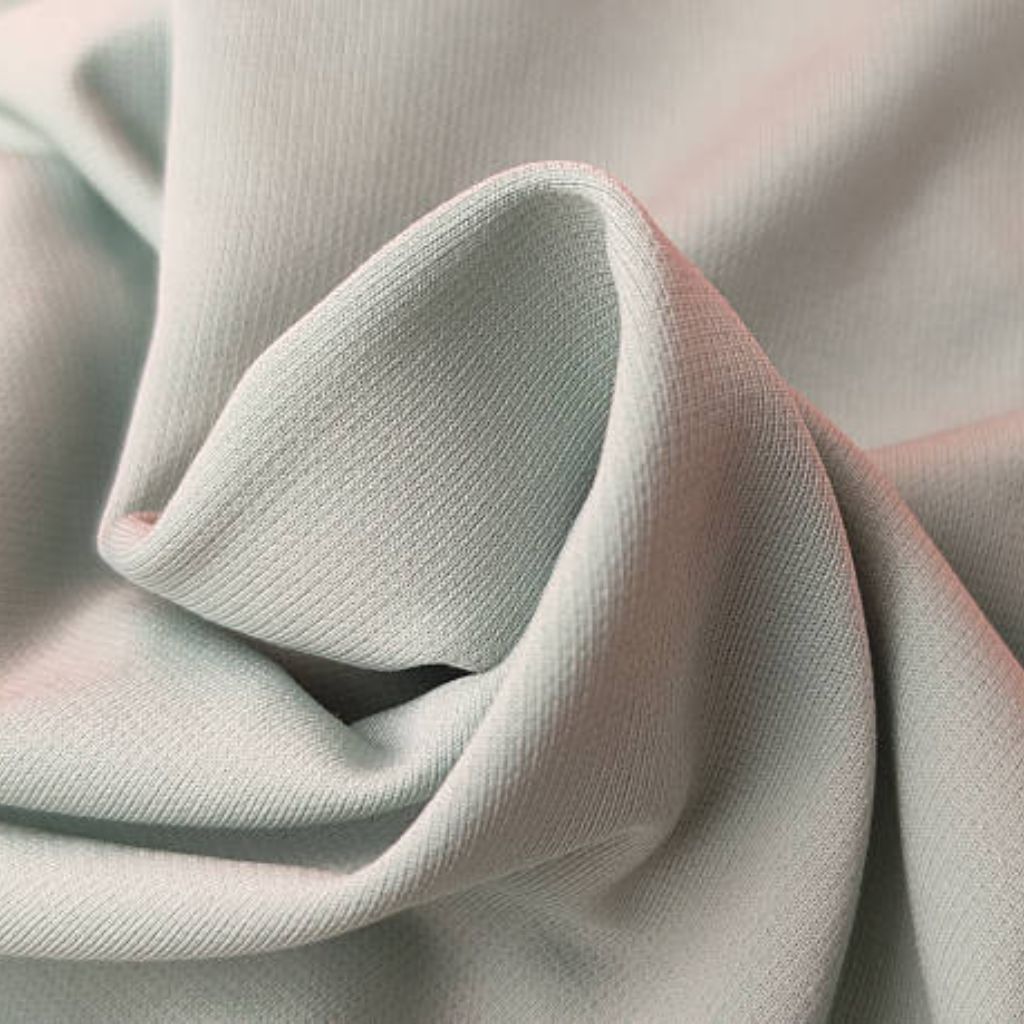
The quality of Flex Motion Stretch Fabric depends largely on the fibers used in its construction. High-performance stretch fabrics combine multiple materials to achieve elasticity, durability, breathability, and comfort. Choosing the right blend ensures the garment supports movement while remaining long-lasting. Today, textile engineers focus on combining synthetic fibers with elastic components to create the perfect activewear fabric.
Polyester
Polyester is the most commonly used base material in Flex Motion Stretch Fabric. It offers excellent durability and resistance to wear and tear. Additionally, polyester is lightweight, which enhances comfort during workouts. The fibers also wick moisture away from the body efficiently. This prevents sweat from soaking the garment, keeping the athlete dry. Polyester’s resistance to shrinking and stretching ensures the fabric maintains its shape over time.
Spandex
Spandex, also called elastane, is responsible for the elasticity of Flex Motion Stretch Fabric. It allows the fabric to stretch in multiple directions without losing shape. Spandex ensures that clothing moves naturally with the body, reducing restriction during exercise. Even after repeated use, spandex fibers maintain their stretchability. This makes it ideal for yoga pants, compression gear, and running tops.
Nylon
Nylon is sometimes blended with polyester and spandex to increase strength and durability. It is lightweight, soft, and resistant to abrasions. Nylon also improves the overall smoothness and comfort of the fabric. Its moisture-wicking properties enhance breathability, making it suitable for high-intensity sports.
How to Choose High-Quality Flex Motion Stretch Fabric
Choosing the right stretch fabric is important for comfort and durability. Several factors help determine quality.
Check Stretch Percentage
Good performance fabrics stretch easily but return to shape. Therefore, elasticity should be tested.
Look for Moisture-Wicking Technology
Quality fabrics remove sweat effectively. Therefore, moisture control is essential.
Fabric Weight
Lightweight fabrics feel comfortable during workouts. However, they should remain durable.
Durability Tests
High-quality fabrics resist tearing and stretching damage.
Comfort and Softness
Soft fabrics improve wearing comfort. Therefore, texture should feel smooth.
Future Trends in Stretch Performance Fabrics
Textile technology continues evolving rapidly. Therefore, the future of stretch fabrics looks promising.
Sustainable Stretch Fabrics
Manufacturers now develop eco-friendly textiles. Recycled polyester and plant fibers are becoming common.
Smart Textiles
Some advanced fabrics include sensors. These fabrics track body movement and temperature.
Eco-Friendly Activewear Materials
Many brands now focus on sustainability. Therefore, biodegradable and recycled fabrics will grow in popularity.
Care and Maintenance of Flex Motion Stretch Fabric
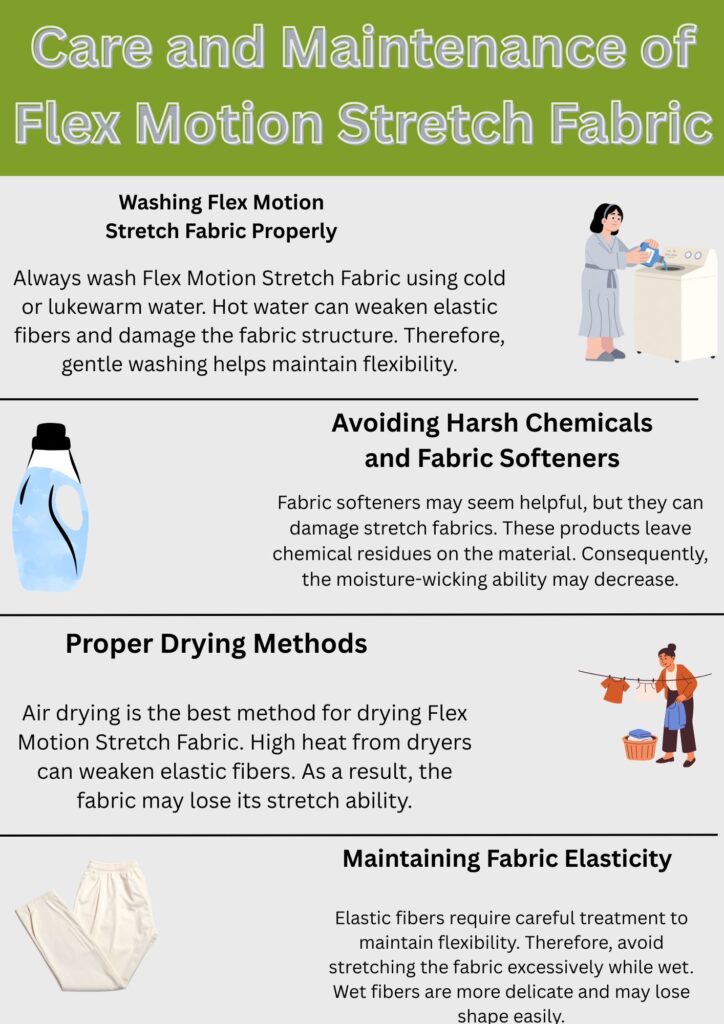
Proper care is essential for maintaining the performance of Flex Motion Stretch Fabric. Although this fabric is durable, correct maintenance helps preserve its elasticity and comfort. Activewear made from stretch performance fabrics often faces sweat, frequent washing, and constant movement. Therefore, good care practices help the fabric last longer.
Washing Flex Motion Stretch Fabric Properly
Always wash Flex Motion Stretch Fabric using cold or lukewarm water. Hot water can weaken elastic fibers and damage the fabric structure. Therefore, gentle washing helps maintain flexibility.
Additionally, use mild detergent instead of harsh cleaning chemicals. Strong detergents may reduce fabric softness and performance. As a result, the material may lose its original comfort.
Avoiding Harsh Chemicals and Fabric Softeners
Fabric softeners may seem helpful, but they can damage stretch fabrics. These products leave chemical residues on the material. Consequently, the moisture-wicking ability may decrease.
Similarly, bleach should never be used on stretch fabrics. Bleach can weaken fibers and reduce durability. Therefore, gentle cleaning products remain the safest option.
Proper Drying Methods
Air drying is the best method for drying Flex Motion Stretch Fabric. High heat from dryers can weaken elastic fibers. As a result, the fabric may lose its stretch ability.
If a dryer must be used, choose a low heat setting. However, air drying always remains the safest method for protecting performance fabrics.
Maintaining Fabric Elasticity
Elastic fibers require careful treatment to maintain flexibility. Therefore, avoid stretching the fabric excessively while wet. Wet fibers are more delicate and may lose shape easily.
Furthermore, proper storage helps maintain elasticity. Fold activewear carefully instead of hanging heavy garments for long periods.
Conclusion
Flex Motion Stretch Fabric represents a major advancement in sportswear technology. It combines flexibility, comfort, and durability. Therefore, it supports modern athletic performance effectively.
Additionally, its moisture-wicking and breathable structure improve comfort during exercise. Athletes can move freely without restriction. Consequently, performance and training efficiency improve.
Furthermore, the fabric suits many types of activewear. Gym clothing, yoga outfits, and running gear all benefit from this textile. As textile technology continues evolving, stretch performance fabrics will become even more advanced.
FAQs
What is Flex Motion Stretch Fabric?
Flex Motion Stretch Fabric is a high-performance textile designed for movement and comfort. It combines elastic fibers such as spandex or elastane with synthetic fibers like polyester or nylon. This allows clothing to stretch in multiple directions while maintaining shape, making it ideal for sportswear and activewear.
How does Flex Motion Stretch Fabric differ from regular stretch fabrics?
Unlike regular stretch fabrics, Flex Motion Stretch Fabric offers four-way stretch, moisture-wicking properties, breathability, and quick-dry capabilities. Regular stretch fabrics may stretch but often lack durability, performance features, or comfort needed for intense workouts.
Can Flex Motion Stretch Fabric improve athletic performance?
Yes. The fabric reduces restriction during movement and keeps the body cool and dry. Compression variants can improve blood circulation, support muscles, and enhance recovery. Overall, it allows athletes to train and perform more efficiently.