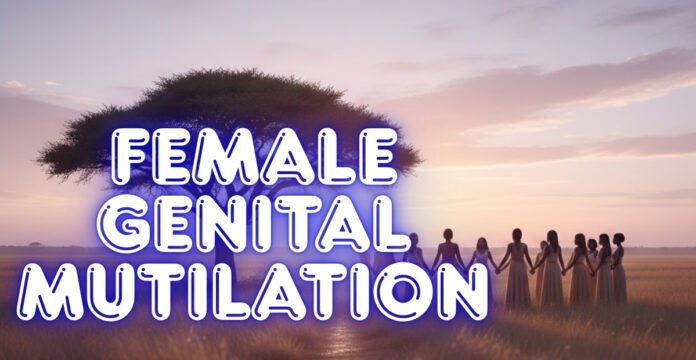
Every year on February 6 , the world observes the International Day of Zero Tolerance for Female Genital Mutilation (FGM) . This day is dedicated to raising awareness about the harmful practice of FGM and promoting efforts to eliminate it globally. It is a call to action for governments, communities, and individuals to protect the rights and health of girls and women everywhere.
What is Female Genital Mutilation (FGM)?
Female genital mutilation (FGM). is a term that refers to any procedure that involves the partial or complete removal of external female genitalia without medical reasons. Internationally, it is considered a violation to human rights. FGM is not beneficial to health and can lead to severe psychological and physical harm.
In some communities, the practice is deeply rooted within cultural, religious and social norms. It is important to note that FGM does not fall under any religious. The World Health Organization, as well as other global health organizations strongly condemn this practice.
Why is Zero Tolerance important?
Observing International Day of Zero Tolerance to Female Genital Mutilation can:
- Raise awareness– Educate the community about the dangers associated with FGM.
- Protect Human Rights Advocate for girls and women to be free of violence and discrimination.
- Support survivors – Provide medical, mental, and social assistance to those who have been affected.
- Promote Legal action – Encourage governments to strengthen the laws criminalizing FGM.
This day serves as a reminder that the responsibility to end FGM lies with all of us. Education and awareness can empower communities to reject harmful practice and protect future generations. Female Genital Mutilation
FGM and its Global Impact
Worldwide, FGM is estimated to affect 200 millions girls and women. Most of the FGM occurs in Africa, Asia, and the Middle East. FGM has severe consequences, including:
- Pain and bleeding intense
- Risk of infection
- Complications during childbirth
- Long-term psychological trauma
It is important to end FGM not only for women’s health, but also in order to achieve gender equity as well as the Sustainable Development Goals of the United Nations (SDGs).
What Countries and Communities are Doing to Take Action
Many countries have passed laws that prohibit FGM and many organizations are working hard to eradicate the practice. The following are some of the efforts:
- Education programs to teach communities the dangers of FGM
- Empowerment Initiatives for Girls and Women to Make Informed Choices
- Advocacy campaign to engage religious leaders and community leaders for ending FGM
Partnerships with international organizations, such as the UN or WHO, are essential. They support survivors and help track progress towards a world free of FGM.
What You Can Do To Make A Difference
Everyone can help end FGM. Here’s how:
- Inform yourself and others of the dangers of FGM
- Support organizations Working to End the Practice
- Advocate for policy changes within your community or country
- Empower girls to protect their bodies
Even small actions have ripple effects. Raising your voice is part of a larger movement that demands zero toleration for female genital cutting.That’s why we need to keep speaking out, keep sharing stories, and keep pushing for change. We can’t be silent when millions of girls and women are at risk. We must stand in solidarity with survivors and activists on the ground, supporting their efforts to protect future generations. Together, we can create a world where every girl has the right to a safe and healthy life, free from violence and discrimination. Female Genital Mutilation
The conclusion of the article is:
The International Day of Zero Tolerance for Female Genital Mutilation represents more than just a date. This is an action call to protect the rights of girls and women, their health and dignity. We can stop FGM by working together to raise awareness, educate, and advocate for a healthier and safer world. Learn About: International Days Today