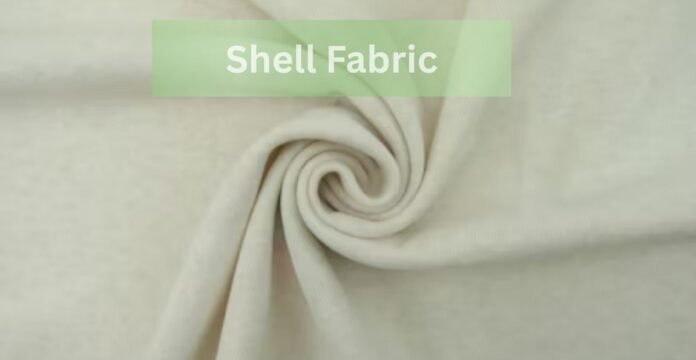
The use of shell fabric is massive in the production of contemporary clothes. It is the outer covering and keeps you out of the wind, the rain and the cold. Since it has the environment directly in front of it; it defines how comfortable and warm your clothing is during various seasons. A common question is; does shell fabric make a difference in the warmth, dryness and durability? The answer is yes. It affects insulation, weather resistance, breathability, does shell fabric,movement and the general comfort.
In addition, the technology of shell fabric continues to advance annually. There are new sophisticated coating, membrane, stretch fibers and hybrid layers designed by brands. Consequently, jackets and outdoor gear have never been light, tougher, and more protective.Does Shell Fabric. Given that the shells are used by people in their raincoats, skiwear, puffer jackets, hiking equipment, and even fashion, knowledge about this fabric will enable you select the proper clothing to suit your lifestyle.
Thus, better understanding the shell fabric makes you choose the appropriate equipment in winter, traveling, outdoor activities, or daily life. This information will be able to help you judge the warmness, weather resistance, the quality of fabrics, and comfort of any outer garment before purchasing it.
Shell Fabric in Apparel History Shell clothes were worn in the 9th century, mainly by Chinese women.History Shell Fabric in Apparel Shell garments Shell garments were used in the 9 th century, primarily on Chinese women.
What Is Shell Fabric? (Foundational Topic)
Shell fabric Shell fabric is the outermost layer of clothing and most commonly, outerwear. It provides protection to the inner layers against wind, moisture, dirt and abrasion. It is an important part of performance wear as it shields the body against outdoor environments.
Definition of Shell Fabric
The outer layer of jackets, coats, and technical clothes is a protective layer known as shell fabric. It resists the wind, prevents rain and prevents damage to the environment. Since this is the layer, which defines the strength and functionality of a garment, the material and construction are important factors,mock neck turtlenecks are prfect for cold-weather style
Diversity Shell Fabric vs. Lining.
Whereas shell fabric is on the outside, lining is on your skin or attire. The shell secures the safety and design. In the meantime, the lining is also comfortable, breathable, and smooth. They are both used to make warmth, longevity, and comfort.
Common Uses of Shell Fabric
Shell fabric is used in a wide range of clothing and accessories because of its durability, protective qualities, and ability to perform well in different environments. It serves as the outermost layer in garments, offering structure, shape, and protection. Below are the most common and practical uses of shell fabric in today’s fashion and functional apparel:
Winter Jackets and Coats
One of the most frequent applications of shell fabric is in winter outerwear. Heavy-duty shell materials such as nylon, polyester, or cotton-blend shells help block wind, resist moisture, and offer insulation support. Parkas, puffer jackets, trench coats, waterproof coats, and down-filled jackets all rely on shell fabric to create an outer barrier against cold temperatures and harsh weather.does shell fabric. Their durability allows them to withstand snow, light rain, and everyday abrasion. This makes shell fabric a vital component of clothing meant to protect during extreme winter conditions.
Rainwear and Waterproof Clothing
Shell fabric is widely used in raincoats, ponchos, waterproof jackets, and storm shells. These garments often include a coated or laminated shell designed to keep water out while maintaining some level of breathability. Shell fabrics used in rainwear are often treated with durable water repellent (DWR) finishes, making them effective for hiking, travel, and daily commuting in wet climates. Without shell fabric, waterproof protection would not be possible.
Activewear and Sports Clothing
Athletic jackets, running windbreakers, skiing outfits, hiking apparel, and other performance garments use lightweight and breathable shell fabrics to enhance mobility and comfort. These shells are designed to wick moisture, block wind, and provide flexibility during high-movement activities. Stretch shells allow athletes to move freely during workouts or outdoor sports, making function and comfort work together seamlessly.

Outdoor Gear and Adventure Apparel
Backpacks, camping gear, climbing jackets, trekking pants, and technical mountaineering layers rely on strong shell fabrics to withstand rugged terrain and unpredictable weather. Shell materials used in outdoor gear are often abrasion-resistant, tear-resistant, and specially engineered to survive heavy use.does shell fabric. They provide essential protection during activities like hiking, skiing, rock climbing, and backpacking.
Types of Shell Fabrics in Use today.

Nylon Shell Fabric
Nylon shells are light in weight, wind resistant and very tough. They feel comfortable with stress and mobility.
Polyester Shell Fabric
Polyester shells do not fade and dry fast. They preserve color and shape more as well.
Cotton Blend Shell Fabric
Blends of cotton are less coarse and lightweight. They suit jackets worn in a casual way although they provide less water resistance.
Softshell Fabric
Soffshells are stretchable, breathable, and provide moderate protection. They toil in sport and movement weight.
Does Shell Fabric Keep You Warm? (Heat and Insulation Performance)
Lots of people ask the question, Does shell fabric keep one warm? The response is yes, but in a particular manner. Shell keeps cold wind and assists in keeping warmth in the garment. It does not generate heat on its own. Rather it cooperates with insulation to make you comfortable.
The contribution Shell Fabric provides to Insulation.
There is a thick shell that does not allow heat to escape due to the wind. It prevents cold air to get in and leaves warm air out. Since wind carries off heat fast a good shell is essential during winter.
Difference Between Shell Warmth and Filling Warmth
The insulation, whether down or synthetic, provides the warmth. That warmth is preserved by the shell. In the absence of a good shell, insulation is powerless. The shell is not able to produce enough heat without insulation.
Shelf vs. Hardshell Heat Retention.
Softshells are moderate in retaining heat as they have more breath. Hardshells are more resistant to wind hence it retains heat. Nonetheless, in case of low ventilation, they are likely to trap more moisture.
Does Shell Fabric Shield against Rain? (Waterproofing Explained)
One of the most frequently used search queries is Does shell fabric repel water?. The response on this varies with the type.
Water-Resistant versus Waterproof Shell Fabrics.
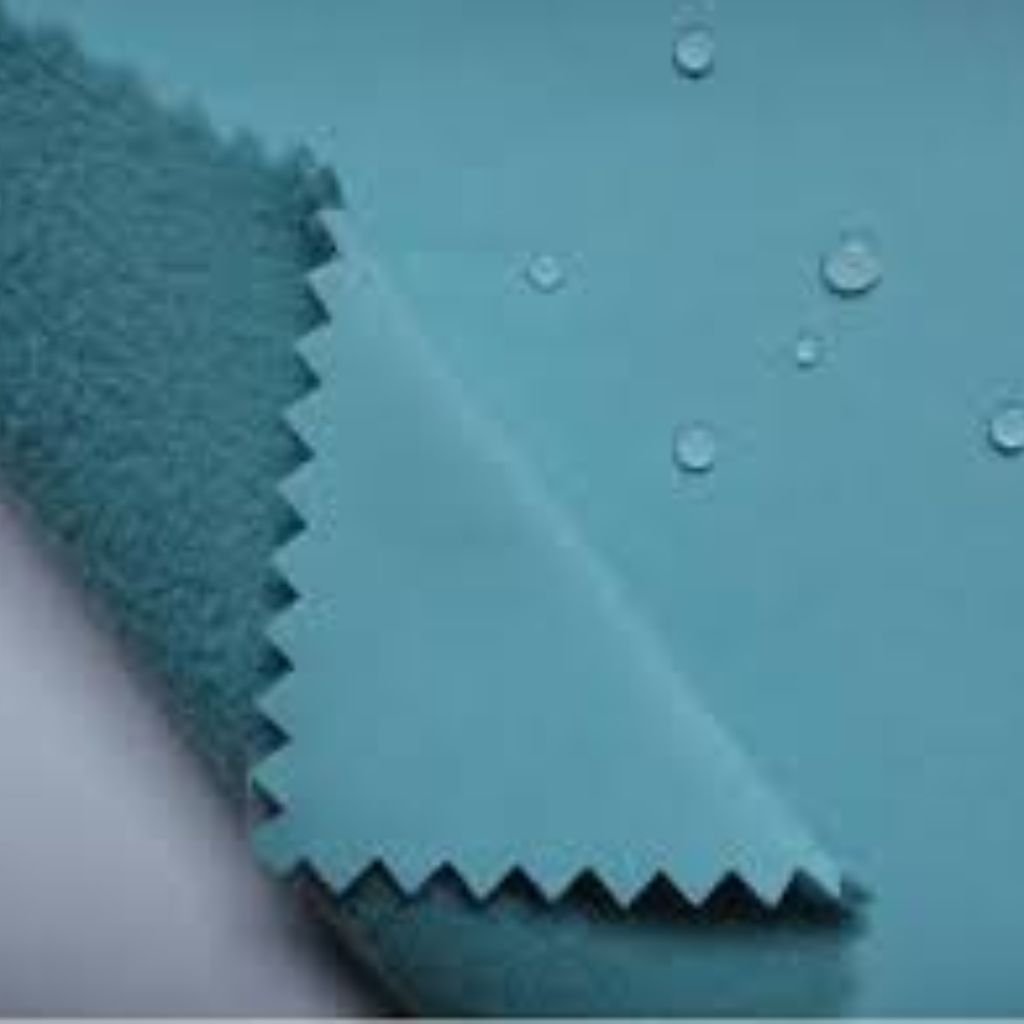
Shells that are waterproof keep off drizzles. The heavy rain and snow are totally locked out by the waterproof shells. Membranes such as Gore-Tex, eVent or PU are used to create waterproof fabrics.
DWR Coating Technology
Durable Water Repellent (DWR) finish is found in many shells. This coating causes the water to roll rather than soak up. It must be renewed over time.
Capacity of Moisture Shell Fabrics.
Drizzles are dealt with by light shells. Shower management is done by mid-level shells. Complete waterproof shells deal with snow and storms.
When to Choose Which
Wear waterproof shells every day and in light rainy seasons. Select the waterproof shells when traveling, hiking or in heavy rain.

Does Shell Fabric Stretch? (Flexibility and Movement)
Stretch is dependent on the material. Older shells did not stretch. Modern shells often do.
Stretch Non-Stretch Shells.
Stretch shells assist you to move around. The non-stretch shells offer greater weather protection.
Modern Stretch-Woven Shells
These shells are stretched in various directions. They are appropriate to runners, cyclists and skiers.
Better Applications of Stretch Shell Fabrics.
They are ideal in hiking, skiing, climbing, running and gym outerwear.
Does Shell Fabric Shrink? (Heat and Care Issues)
Shell fabric rarely shrinks. Nevertheless, some of the fibers may be distorted by high temperature.
Thermo Resistance of Shells.
Polystyrene and nylon do not shrink. Cotton mixes with shrink more readily. Synthetic shells can be warped by high heat of the dryer.
Washing, Drying, and Ironing Guidelines
Wash shells in cold water. Use gentle detergent. Air-dry if possible. Iron only on low heat.
How to Prevent Shrinkage
Avoid hot dryers. Follow instructions. Use mild wash cycles.
Fades or Peels Shell Fabric? (Longevity and Durability)
The quality of fibers and their use depends on durability.
UV Resistance
Compared to nylon or cotton, polyester shells are resistant to sun fading.
Colorfastness
Quality dyes remain bright over a long time. Vibrancy can be reduced by harsh detergents.
Removing, crushing, and wearing down.
Inferior coatings are easy to peel. Pilling is brought about by rough surfaces. Better shells are those of good quality.
Does Shell Fabric Make You Sweat? (Breathability and Heat Control)
There are shell fabrics that are breathable. Others trap heat.
Breathability Levels
Softshells breathe the best. The hardshell breathability is based on membrane technology.
Ventilation Systems
Most jackets are pit zipped, mesh-panelled or vented at the back. These characteristics are heat giving up features.
What Shell Work in Hot or Cold Season?
Select lightweight breathable softshells in light weather. Select hardshells in wet conditions like cold, rain or snow.

Does Shell Fabric Wrinkle Easily? (Wrinkle Behavior)
Shell fabric rarely wrinkles the same way natural fibers do, yet wrinkle behavior still depends on the type of material, the weave, and the coating used. Because shell fabrics are usually made from synthetic fibers like nylon, polyester, and polyamide, they tend to resist wrinkles naturally. does shell fabric.These fibers have strong molecular structures that hold their shape even when compressed inside bags, pressed under heavy clothing, or folded for long periods. As a result, shell garments are convenient for travel, outdoor activities, and daily wear.
However, although wrinkles are less common, some shell fabrics still show creases if they are tightly packed or stored poorly. Lightweight nylon shells, for example, sometimes show fold lines because they have a thin surface.does shell fabric. On the other hand, thicker polyester shells often resist wrinkles more effectively because their fibers spring back more quickly. Therefore, wrinkle resistance depends on several small elements, including thickness, fiber quality, and mechanical stretch,does shell fabric
Moreover, some shell fabrics use water-resistant or waterproof coatings. While these coatings improve weather protection, they may also influence wrinkle behavior. Coated fabrics may feel slightly crisp, which can cause temporary creases when the garment is folded. Fortunately, these creases usually relax once the garment hangs for a short time.does shell fabric.Because shell fabrics recover shape fast, wrinkles rarely stay long, which makes them ideal for people who want low-maintenance clothing,does shell fabric.
Pros and Cons of Shell Fabrics
Pros
- Windproof
- Water-resistant or waterproof
- Lightweight
- Durable
- Quick-drying
- Long-lasting
Cons
- Some trap heat
- Some breathe poorly
- Require regular coating care
- Not always soft

How Shell Fabric Is Used in Clothing (Comprehensive Usage Guide)
Shell fabric plays a major role in many types of apparel because it acts as the first layer of defense against wind, rain, and external elements.does shell fabric.Designers choose different shell materials based on the needs of the clothing, so the shell fabric changes depending on the purpose of each garment. Because of its versatility, it appears in casualwear, outdoor gear, winter jackets, and high-performance sports clothing. As shell fabric technology improves, it continues to offer even better protection, comfort, and functionality.does shell fabric.Therefore, understanding its uses helps buyers choose the right fabric for their lifestyle and climate needs.
Shell Fabric in Jackets
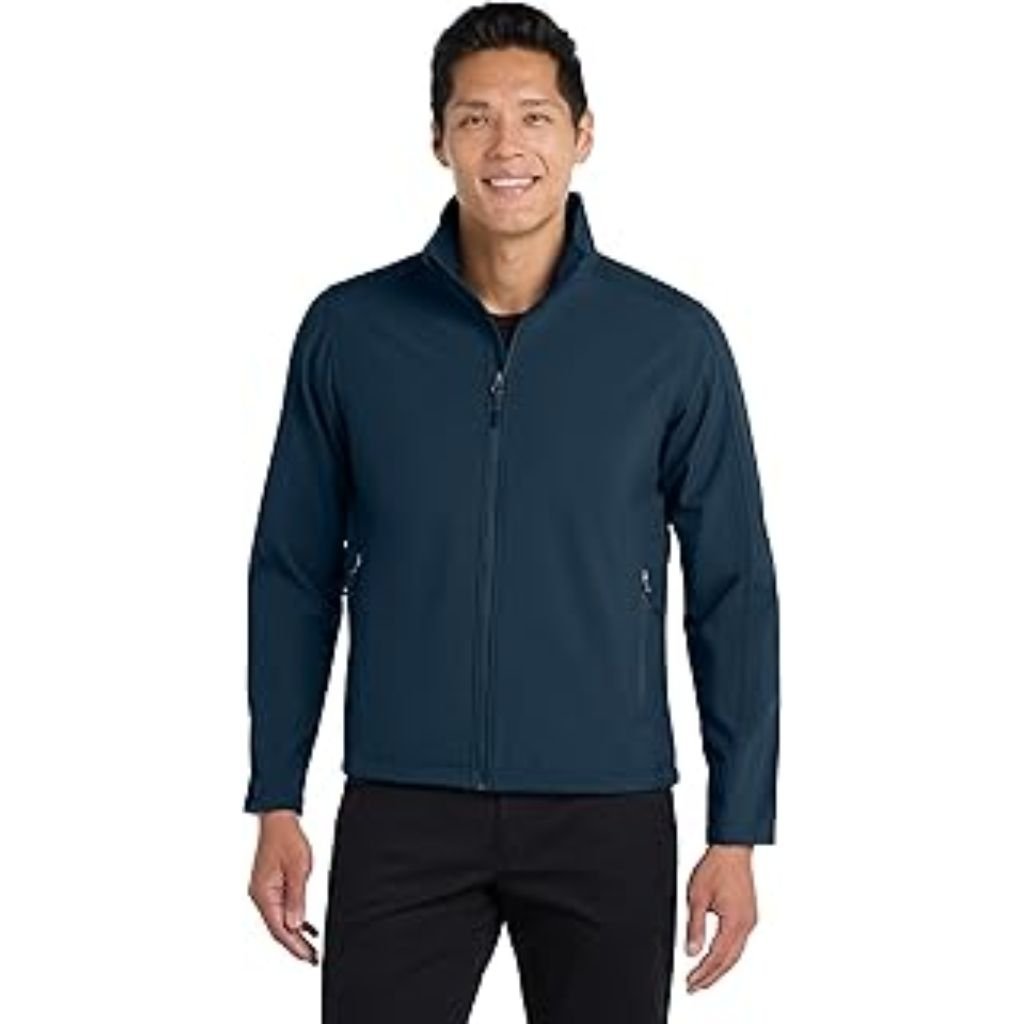
Shell fabric is used widely in jackets because it provides essential protection from weather. Most lightweight casual jackets use polyester or nylon shells for durability and mild resistance against wind.does shell fabric.These synthetic materials hold their shape well and offer long-term wear. Some jackets also use blended shells for a softer feel and better breathability. Because jackets experience regular movement and friction, shell fabrics strengthen them and prevent early wear. Therefore, shell materials are the core foundation of everyday outerwear,does shell fabric.
Shell Fabric in Winter Coats
Winter coats rely heavily on shell fabric because it shields the insulation from moisture and cold air. A high-quality hardshell traps heat inside by blocking wind from reaching the inner layers. Many winter coats use polyester shells with a water-repellent finish to maintain warmth even during wet conditions. Thick shell fabrics protect the filling from clumping or soaking, which ensures consistent insulation. Some premium coats use multi-layer shell constructions for extra windproofing. Because of this, the shell fabric determines how warm and long-lasting the coat becomes.
Shell Fabric in Ski Wear and Snow Gear
Ski clothing demands strong, flexible, and waterproof shell materials. Ski jackets often use hardshell fabrics with laminated membranes, which provide exceptional resistance to snow and melting ice. These materials keep skiers dry and comfortable in harsh winter climates. Stretch-woven softshells are used in ski pants because they allow easy movement during sports activity. They also handle abrasion from snow, boards, and ski lifts.does shell fabric. Because skiing involves intense physical effort, breathable shell fabrics prevent overheating while maintaining warmth. Thus, shell fabric is essential for both performance and protection in snow environments.
Shell Fabric in Raincoats and Waterproof Outerwear
Rainwear depends completely on the shell fabric for moisture protection. Waterproof shells use coatings like polyurethane or laminations such as Gore-Tex to block water from soaking through. Many raincoats pair lightweight nylon with DWR treatment to repel droplets effectively.does shell fabric.These shells help water slide off the surface quickly, keeping the inner clothing dry. The softness or stiffness of the shell varies based on the waterproof level needed. Because raincoats must remain functional in changing weather, shell fabric ensures long-term water protection and comfort,does shell fabric.
Care Instructions for Shell Fabric
Shell fabric requires proper care to maintain its strength, water resistance, breathability, and overall performance. Because shell material often serves as the main protective barrier in jackets, coats, rainwear, and sports clothing, it must be cleaned and maintained correctly.does shell fabric.With the right care routine, shell fabrics can last for many years without losing their protective qualities.
Understanding the Sensitivity of Shell Fabrics
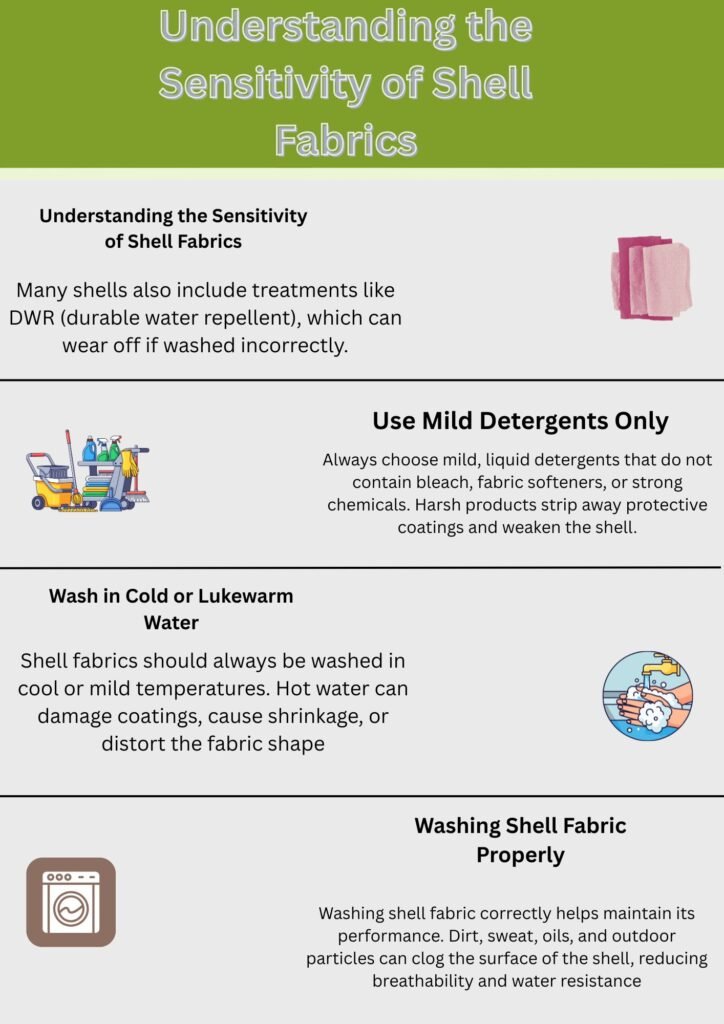
Shell fabrics, especially nylon and polyester shells, are sensitive to high heat and strong chemicals. These materials can shrink, weaken, or lose their coating when exposed to the wrong washing or drying methods. Many shells also include treatments like DWR (durable water repellent), which can wear off if washed incorrectly.
Washing Shell Fabric Properly
Washing shell fabric correctly helps maintain its performance. Dirt, sweat, oils, and outdoor particles can clog the surface of the shell, reducing breathability and water resistance. Regular cleaning helps restore these features and keeps the garment fresh.
Use Mild Detergents Only
Always choose mild, liquid detergents that do not contain bleach, fabric softeners, or strong chemicals. Harsh products strip away protective coatings and weaken the shell.
Wash in Cold or Lukewarm Water
Shell fabrics should always be washed in cool or mild temperatures. Hot water can damage coatings, cause shrinkage, or distort the fabric shape. Cold water helps protect fibers and reduces wear. In addition, cooler washing temperatures preserve DWR coatings much better.
Conclusion
Shell fabric plays an essential role in shaping the durability, comfort, and performance of modern clothing, especially in outerwear designed to withstand diverse environments.does shell fabric.Understanding its purpose, properties, and practical benefits empowers both designers and consumers to make more informed choices. Whether it’s used in jackets, coats, activewear, uniforms, or technical garments, shell fabric acts as the first line of defense against the elements protecting the wearer from wind, rain, abrasion, cold temperatures, and everyday wear and tear. Its versatility comes from the wide range of materials it can be made from, such as nylon, polyester, cotton blends, or advanced technical composites, each offering unique advantages depending on the garment’s intended purpose.
FAQs
Does Shell Fabric Protect From Cold?
Yes, it blocks wind and supports insulation.
Is Shell Fabric Good for Winter?
Yes, hardshells are excellent for cold and snow.
Is Shell Fabric Breathable?
Softshells breathe well. Hardshells vary.
Is Shell Fabric Soft or Rough?
Softshells feel soft. Hardshells feel firm and protective.