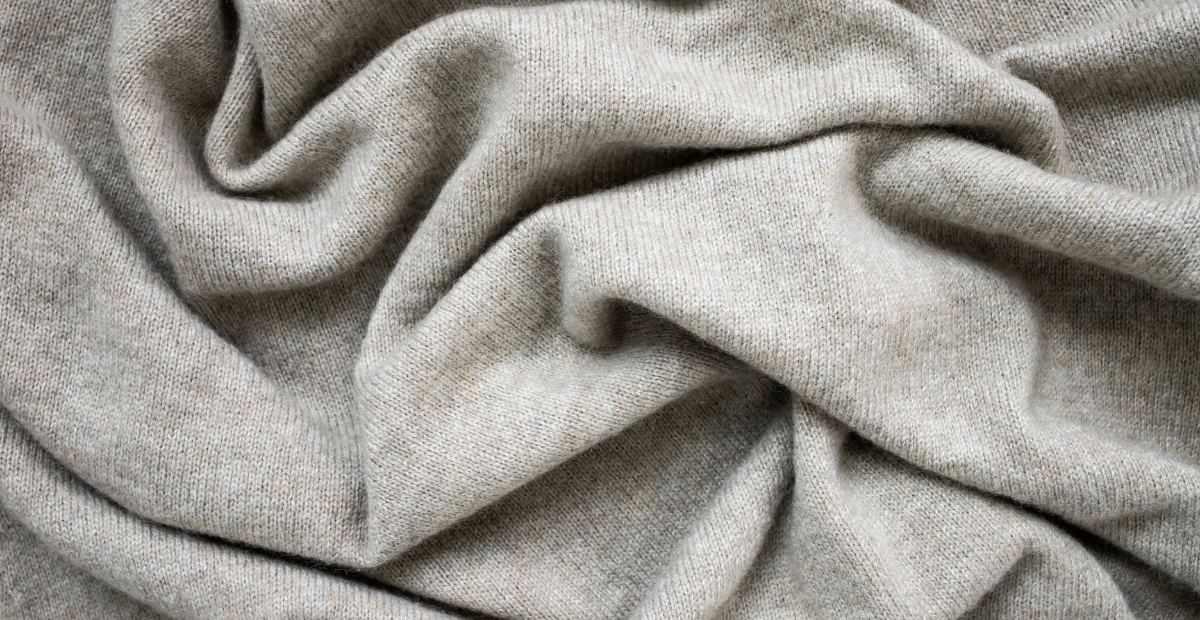
Cashmere is widely considered to be one of the finest and most refined textiles in the world. Cashmere wool fabric has been used in high-end garments and accessories for centuries because of its softness, warmth and timeless appeal. Cashmere fabric is distinguished from other wool fabrics by its fine fibers and rare origin. It also offers superior comfort. Cashmere wool continues to be a symbol of elegance, craftsmanship and exclusivity.
This comprehensive guide will explain what cashmere is, its uses, care requirements, and sustainability aspects. In addition, the benefits, uses and care requirements of cashmere wool fabric will be discussed in detail.
Understanding Cashmere Wool Fabric
Cashmere is a natural fabric made from the undercoat of cashmere sheep. Cashmere goats can be found mainly in cold areas such as Mongolia and China. They are also common in Iran, Nepal and Central Asia. These animals are exposed to harsh winters and develop a thin insulating layer under their coarse outer hair. This undercoat is then collected and turned into cashmere fabric.
Cashmere is softer and finer than regular sheep’s fleece. Cashmere garments are soft and smooth on the skin. The fibers also trap air effectively, allowing the fabric to provide excellent heat without adding weight.
Cashmere Wool: Origin and History
Cashmere wool fabrics date back over a thousand year. The fabric is thought to have been produced first in Kashmir, where its name comes from. Cashmere garments and shawls were highly valued by royalty over time.
Cashmere was also introduced to European markets in the 18th and early 19th centuries. Cashmere became associated with sophistication and wealth as demand grew. Cashmere wool fabrics continue to enjoy a high status in fashion because of their historical reputation.
Cashmere wool fabric is made in a variety of ways
1. Collecting Fibers
Cashmere is first obtained in the spring during the molting period. This is when goats shed their undercoat. The fibers are combed instead of being sheared, like with sheep. The process is labor-intensive and time-consuming.
Cashmere is also produced in small quantities by each goat per year. Cashmere fabric is rare and expensive because of its limited production.
2. Sorting and Cleaning
The fibers are then sorted manually. The coarse guard hairs and only the finest fibers will be selected. The fibers are then cleaned to remove dirt and natural oils. Cashmere’s softness is now more evident.
3. Spinning and Weaving
The cleaned fibers will then be spun into fine yarn. The yarn is then knitted or woven into cashmere fabric. In many cases the traditional handicraft is preserved. However, modern machines may be used to ensure consistency.
The fibers are fragile, so great care is taken during the entire production process. The final fabric retains its luxurious texture.
Cashmere Wool Fabric: Key Characteristics
Cashmere fabric is appreciated for its distinctive qualities. These qualities explain why cashmere wool fabric is preferred to many other fabrics.
Exceptional softness
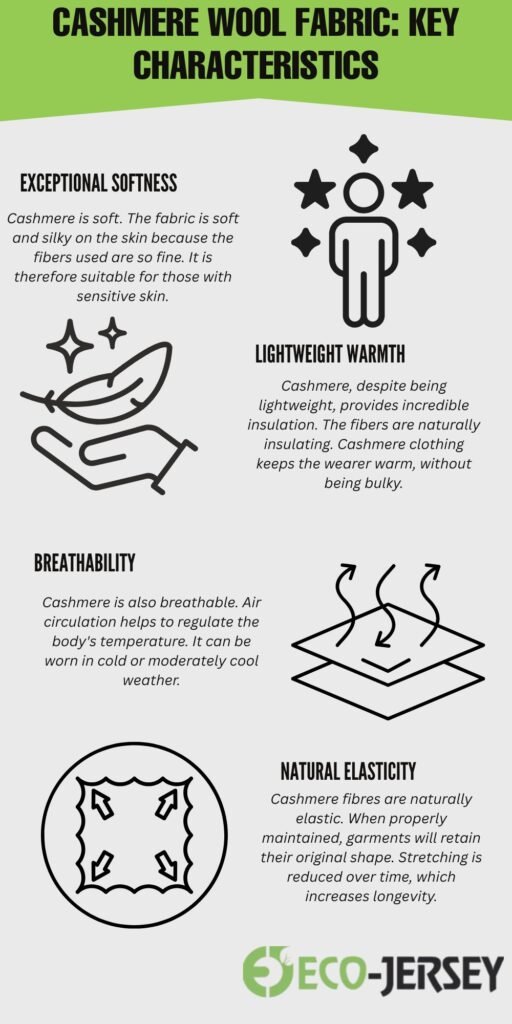
Cashmere is soft. The fabric is soft and silky on the skin because the fibers used are so fine. It is therefore suitable for those with sensitive skin.
Lightweight Warmth
Cashmere, despite being lightweight, provides incredible insulation. The fibers are naturally insulating. Cashmere clothing keeps the wearer warm, without being bulky.
Breathability
Cashmere is also breathable. Air circulation helps to regulate the body’s temperature. It can be worn in cold or moderately cool weather.
Natural Elasticity
Cashmere fibres are naturally elastic. When properly maintained, garments will retain their original shape. Stretching is reduced over time, which increases longevity.
Cashmere wool fabric: Common uses
Cashmere fabric is widely used for fashion and home textiles. It is used in a variety of applications, including:
- Sweaters, cardigans and other garments
- Shawls and scarves
- Coats and Overcoats
- Throws and blankets
- Luxury knitwear and suits
Cashmere blends can also be created by combining cashmere and wool or silk. This method reduces costs while still improving softness and heat.
Cashmere Wool Fabric: Benefits
Comfort and Luxury
Cashmere is known for its comfort. The fabric can be worn against the skin directly because irritation is minimal.
When properly cared for, the product will last a long time.
Cashmere is delicate but garments made from it can last many years, if they are handled properly. They may become even softer over time.
Timeless Style
Cashmere is a good investment because it never goes out-of-style. Cashmere classics remain in style season after season.
Sustainability and ethical considerations
Sustainability has been a hot topic in textiles over the past few years. Cashmere fabric is biodegradable and natural, which has many environmental benefits. Overgrazing, animal welfare and ethical concerns are also being raised.
Responsible brands are now focusing on sustainable sourcing. Supporting ethical cashmere farmers can reduce environmental damage and improve animal welfare.
Cashmere wool fabric: How to care for it
Cashmere wool fabric should be properly cared for to ensure its beauty and durability.
Washing
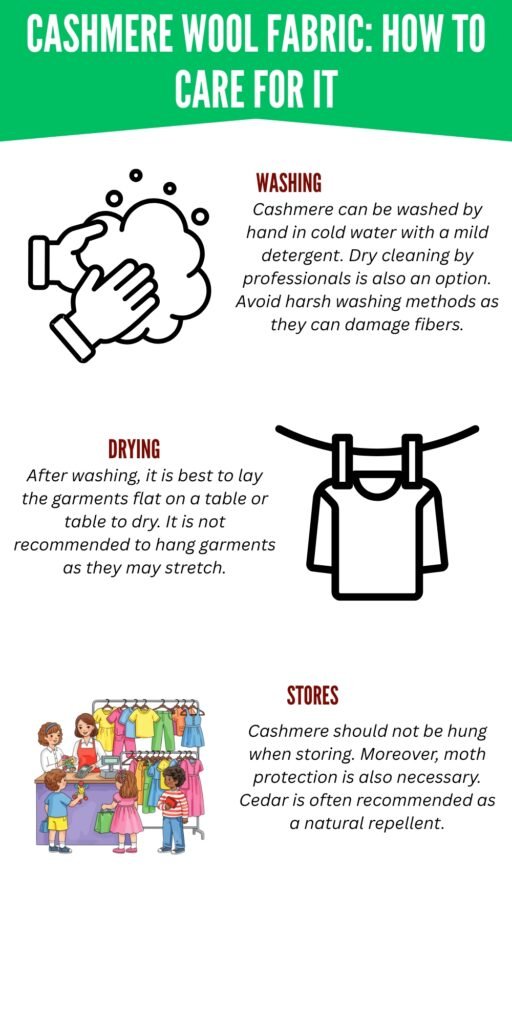
Cashmere can be washed by hand in cold water with a mild detergent. Dry cleaning by professionals is also an option. Avoid harsh washing methods as they can damage fibers.
Drying
After washing, it is best to lay the garments flat on a table or table to dry. It is not recommended to hang garments as they may stretch.
Stores
Cashmere should not be hung when storing. Moreover, moth protection is also necessary. Cedar is often recommended as a natural repellent.
Cashmere wool fabric is expensive
Cashmere fabric is expensive due to a number of factors. The limited production is due to the low fiber yield per goat. The labor intensive harvesting and processing techniques increase the costs. The premium quality and comfort of the product will justify the cost.
Cashmere is one of the most desired luxury fabrics around the globe.
The conclusion
Cashmere wool fabric is the ultimate combination of warmth, luxury and elegance. Cashmere wool fabric is made of the undercoat of cashmere sheep, which gives it an unmatched softness and insulation. Its lightweight, breathability and durability makes it a great choice for high-end clothing and accessories.
Cashmere is a good investment, even though it’s expensive and requires more maintenance. Cashmere is a symbol for style and sophistication.