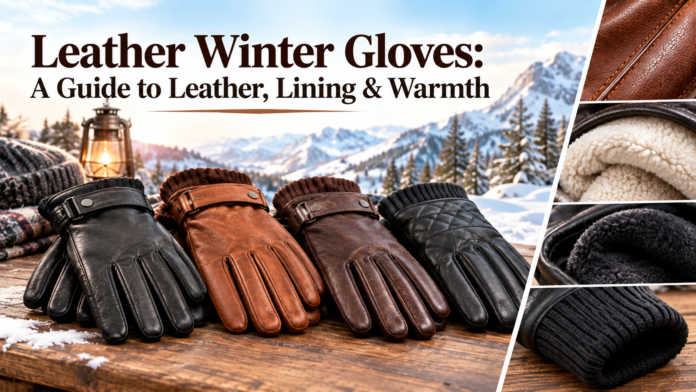
Warmth in a glove comes from more than just thickness, and understanding what actually makes Leather Winter Gloves effective in the cold means looking at both the outer leather and what’s inside it. The shell material handles wind resistance and structure, while the lining does most of the actual work of trapping heat against the hand, and neither element alone tells the full story of how warm a glove will actually feel.
Getting both elements right is what separates a genuinely warm winter glove from one that only looks the part. In this guide, we’ll break down how shell leather and lining work together, the most common lining materials used in leather winter gloves, and how to choose a pair that will actually keep your hands warm through the coldest months.
How Shell Leather Affects Winter Performance
The outer leather shell of a winter glove does more than provide structure it’s the first line of defense against wind and moisture. Cowhide, being thicker and denser, offers strong natural wind resistance and durability, making it a common choice for winter gloves that need to hold up to repeated outdoor use season after season.
Softer hides like lambskin and goatskin are also used in winter gloves, particularly when comfort and a closer fit matter alongside warmth. These thinner leathers rely more heavily on their lining to provide insulation, since the shell itself offers less inherent wind resistance than thicker cowhide, shifting most of the warmth burden onto whatever material sits underneath.
Understanding Glove Linings
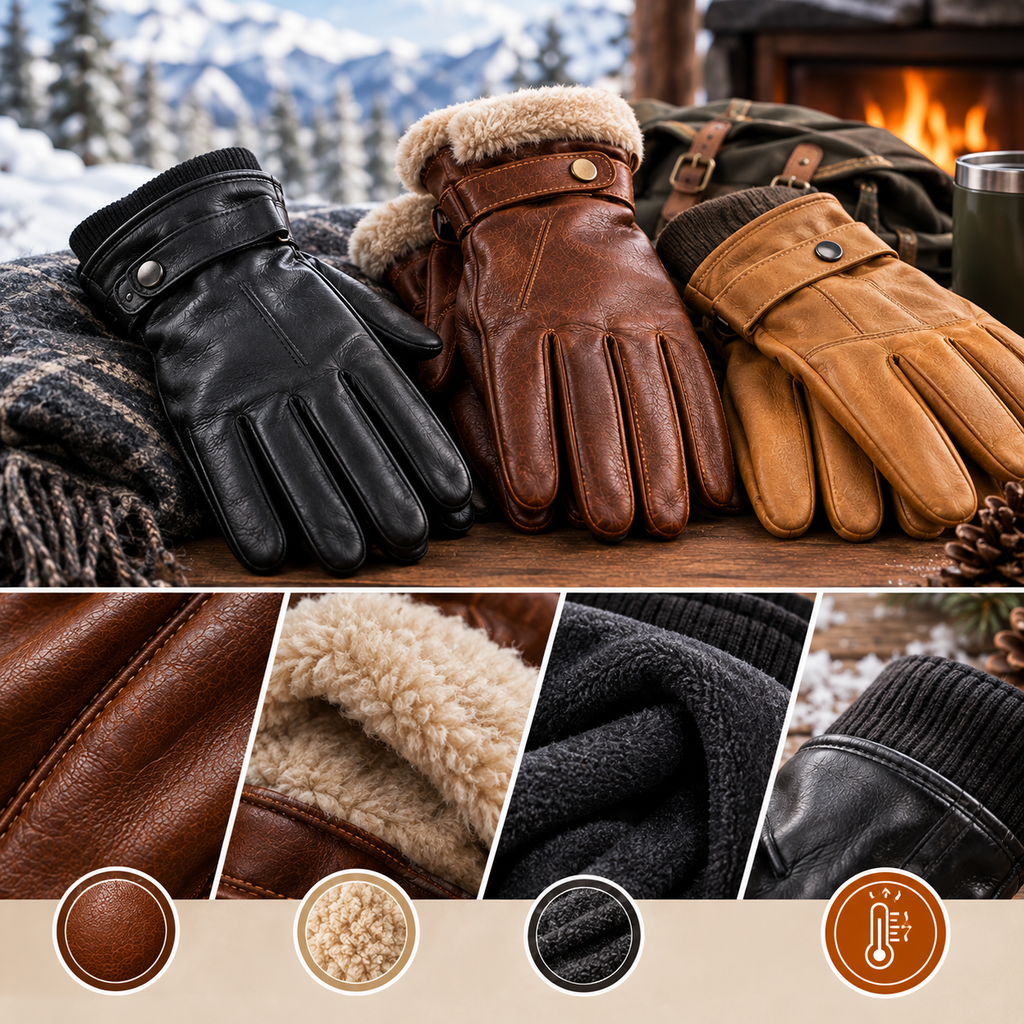
Lining is where most of a winter glove’s actual warmth comes from, and the material used makes a significant difference. Cashmere lining offers exceptional softness and warmth relative to its weight, which is why it’s a common choice in higher-end gloves where both comfort and insulation matter without adding unnecessary bulk.
Wool lining provides strong warmth at a more accessible price point, though it can feel slightly bulkier than cashmere for the same level of insulation, which is worth considering for anyone who values a closer, more streamlined fit. Synthetic linings like Thinsulate offer good warmth without much bulk and tend to perform well even when slightly damp, making them a practical choice for genuinely wet or snowy conditions where natural fiber linings might lose some effectiveness.
Matching Leather and Lining to Real Cold-Weather Needs
The most effective winter gloves pair a leather shell suited to the expected conditions with a lining that matches the actual warmth needed. For extreme cold or extended outdoor exposure, thicker cowhide paired with a wool or synthetic insulation typically performs best, since both the shell and lining contribute meaningfully to warmth and wind resistance in genuinely harsh conditions.
For milder winter conditions or shorter outdoor exposure, like a daily commute, a softer lambskin or goatskin shell with a cashmere lining often provides enough warmth while remaining more comfortable and better suited to everyday wear than a bulkier, more heavily insulated glove. Matching the glove to how it will actually be used, rather than defaulting to the warmest option available, tends to produce a better overall experience.
Additional Features Worth Considering
Many modern winter gloves include touchscreen-compatible fingertips, using a small patch of conductive material that allows phone and tablet use without removing the glove entirely. This has become a common expectation for winter gloves used in daily commuting or general everyday wear, where checking a phone without exposing bare hands to the cold is a genuine, everyday convenience.
Wrist closures also matter more in winter gloves than in lighter styles, since a secure closure like an elastic band or snap helps keep cold air and snow from entering at the cuff. Water-resistant treatments applied to the leather shell can further improve performance in wet snow or slush, extending the glove’s usable conditions beyond dry cold alone and making it a more versatile piece of cold-weather gear overall.
Sizing Considerations for Lined Gloves
Lined winter gloves need slightly different sizing consideration than unlined styles, since the added bulk of a cashmere or wool lining takes up interior space that an unlined summer glove doesn’t have to account for. Sizing too tightly can compress the lining and reduce its insulating effectiveness, even if the glove technically fits.
It’s generally worth trying on lined gloves with the same or similar hand coverings you’d normally wear underneath, if any, and allowing a small amount of extra room through the fingers specifically, since restricted circulation from an overly tight glove can actually make hands feel colder rather than warmer despite the insulation.
Leather Winter Gloves at a Glance
Here’s a quick summary of how shell and lining choices affect winter performance:
- Cowhide shell:Strong wind resistance and durability; best for extended outdoor use
- Lambskin or goatskin shell:Softer, closer fit; relies more on lining for warmth
- Cashmere lining:Exceptional warmth-to-weight ratio; common in higher-end gloves
- Wool lining:Strong warmth at a more accessible price point; slightly bulkier
- Synthetic (Thinsulate) lining:Good warmth with less bulk; performs well in damp conditions
Choosing a Warm, Well-Lined Pair
For genuine winter warmth without excessive bulk, options like women’s leather gloves made from Italian sheepskin with a cashmere lining offer a strong combination of natural insulation and everyday comfort, ideal for anyone commuting or running errands through the colder months. Browsing our full leather gloves range makes it easier to compare shell leathers and linings side by side before choosing a pair suited to your climate and typical daily exposure.
For a broader look at how different glove styles, including winter designs, compare across categories, our guide on the types of leather gloves covers how work, driving, dress, and winter gloves each apply materials differently depending on their purpose, giving useful context beyond warmth alone.
The Role of Custom Manufacturing in Leather Gloves
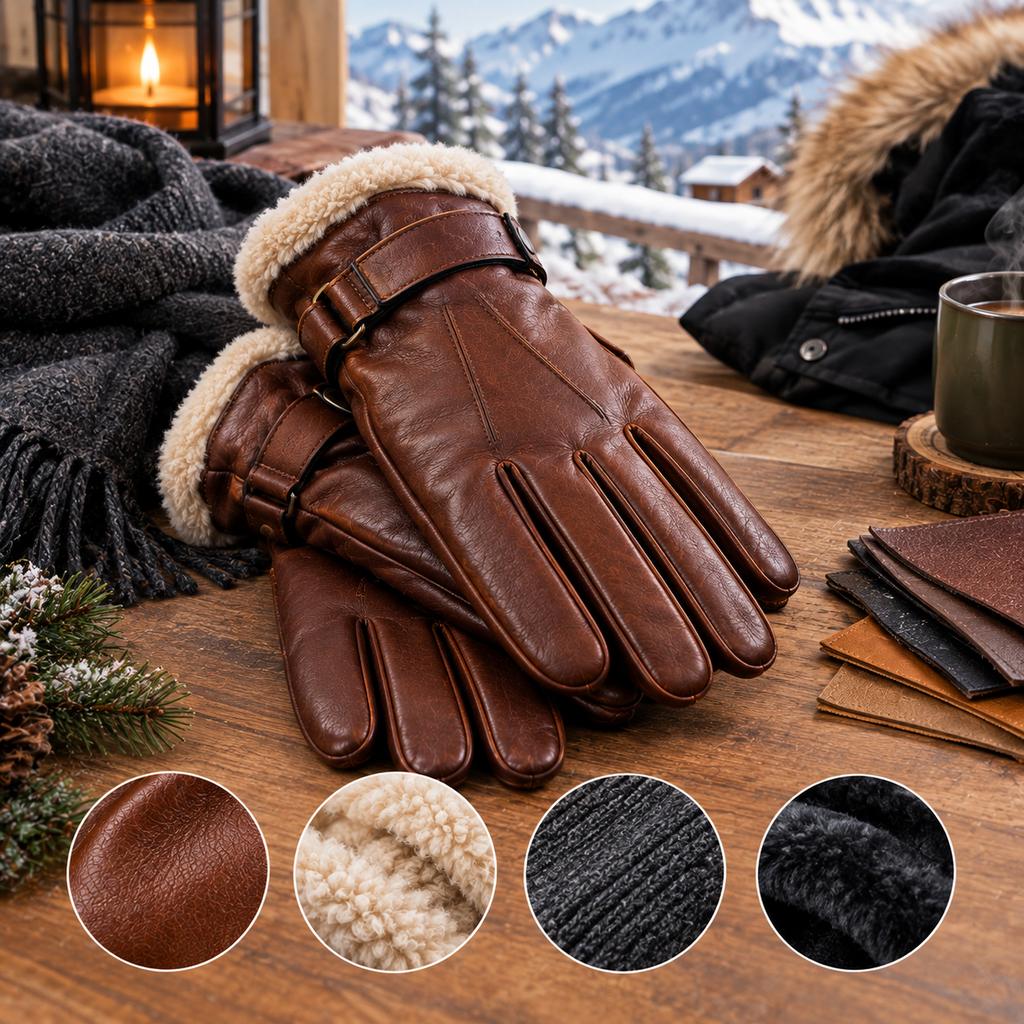
As demand grows for gloves built for genuine cold-weather performance, more businesses are turning to custom manufacturers who understand how shell leather and lining work together to affect real warmth, rather than relying on generic sourcing that doesn’t specify either clearly or account for actual climate conditions.
At ECO-JERSEY, we manufacture and supply custom apparel including leather gloves and accessories to businesses around the world. Whether a company needs cashmere-lined gloves for refined winter warmth or more rugged, insulated options for extended outdoor use, our team works directly with clients to produce gloves that match their exact specifications, from shell leather to lining type and thickness.
Conclusion
Understanding how shell leather and lining work together is the key to choosing genuinely effective Leather Winter Gloves, rather than a pair that only looks warm. Cowhide offers durability and wind resistance for demanding outdoor use, while softer hides paired with cashmere or wool linings offer comfort and warmth for everyday winter wear. Matching both elements to your actual climate and activity level is what determines real-world performance, far more than relying on appearance or price alone.
For businesses looking to source reliable leather gloves whether for winter programs or everyday comfort working with an experienced manufacturer like ECO-JERSEY ensures every pair is built with the right leather and lining for the season.
FAQs
What makes leather gloves warm in winter?
Warmth comes primarily from the lining, such as cashmere, wool, or synthetic insulation, while the leather shell provides wind resistance and structural durability.
What is the warmest lining for leather gloves?
Cashmere offers an excellent warmth-to-weight ratio, while wool and synthetic linings like Thinsulate also provide strong warmth, with synthetic options performing better in damp conditions.
Is cowhide or lambskin better for winter gloves?
Cowhide offers stronger wind resistance and durability for extended outdoor use, while lambskin provides a softer, closer fit that relies more on its lining for warmth.
Do leather winter gloves work with touchscreens?
Many modern winter gloves include a small patch of conductive material on the fingertips, allowing touchscreen use without removing the glove.