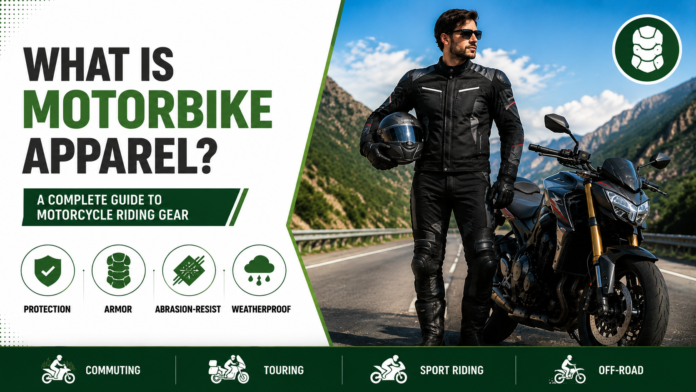
Motorbike apparel is a specialized line of clothing that caters to riders who face different risks than other types of apparel. What is motorbike clothing? It is a protective garment designed specifically for motorbike riders. The clothing combines abrasion resistant materials, weather protection and impact resistance into a single system.
Before sourcing products or creating private labels in the category, clothing brands and retail stores that are interested in exploring this market should thoroughly understand what motorbike gear is. The guide explains what distinguishes real riding gear from outerwear and what the buyer should check before creating a line of products around it.
Motorbike apparel: What is it?
To understand what motorbike clothing is, you must first recognize the forces that it was designed to resist. Riding gear is different from everyday clothing. It must withstand high-speed impact, wind, rain, and abrasion on pavement.
This is achieved by combining reinforced materials such as leather or textile blends with armor inserts at risky points, like shoulders, elbows and hips. Genuine motorbike clothing is less fashion outerwear than it is engineered protection equipment.
What This Category Means to Brands and Retailers
The popularity of motorcycling for commuters, tourists, and recreation riders continues to increase across the globe. Clothing brands and retailers are increasingly interested in entering this market, whether by private-labeling existing designs, or creating original riding gear.
This opportunity comes with real responsibility. Motorbike clothing directly impacts rider safety during a crash. Any brand that enters this market must work with a manufacturer who can produce genuinely protective apparel, and not just jackets or pants. Otherwise, they risk being held liable if their product does not perform when needed.
The Core Components for Motorbike Apparel
The majority of motorcycle apparel is made up of multiple garments that work together to form a complete system. Motorcycle Jackets, Motorcycle Pants, and full Motorcycle Suits are the base, made of abrasion resistant textile or leather, with armor pockets strategically placed.
motorcycle clothing, such as boots, gloves and base layers complete a riding outfit. They each address specific injuries risks, which jackets and trousers alone cannot cover. Knowing how to stock these items together will help buyers build a range that is truly useful, rather than a collection of isolated pieces.
The Quality of Gear is Defined by the Materials and Construction
The fabric choice is what makes a genuine motorcycle jacket different from a regular jacket that looks similar. The leather jacket is still a favorite because of its abrasion-resistant properties. However, modern fabrics like nylon and aramid fibres offer similar protection while being more breathable.
The addition of armor inserts is a new layer in engineering, as certified impact protection has to absorb and distribute force instead of simply cushioning. When sourcing large quantities, brands should request fabric abrasion levels and armor certifications from manufacturers. These details will determine the real-world performance of a garment far more so than its appearance.
What to look for when sourcing motorcycle apparel
When evaluating manufacturing partners for this sector, brands should verify the following.
- Material resistant to abrasion (leather or textile reinforced with reinforcement) – rated against sliding impacts
- CE certified armor for impact protection at the elbows, shoulders, hips and knees
- Stitching is reinforced because seam failure in a sliding situation can undermine even the best fabrics
- Weather Sealing includes waterproof membranes and removable liners to suit different riding conditions
- Ventilation Design, balances airflow and protective cover for warm-weather rides
- Ability to customize including color choices, private label branding and sizes suited for riders
How to do due diligence when vetting a manufacturer
Claim of protection is not proof of protection. Brands should insist on actual CE-certified armor and abrasion tests before committing to any manufacturing partners. They shouldn’t rely solely on the marketing descriptions of suppliers or generalized “protective gear labels.”
Asking how the manufacturer tests and sources armor inserts is also helpful, as this component can be outsourced by third parties with varying quality. Before committing to production, a credible partner will be happy to provide test documentation and explain the quality control procedure. They should also confirm that their armor is certified to which standard.
How the typical sourcing process looks like
When developing motorbike clothing with a manufacturer partner, most brands follow a similar process. The process usually begins with a consultation in order to determine the target rider, protection level required, budget and then sample design so that the brand can test fit, placement of armor and feel.
Abrasion testing and impact tests confirm that the product meets intended standards before mass production can begin. Private label branding is usually finalized simultaneously with tagging and packaging, so that the product can be sold without any additional work.
Last Thoughts
What is motorcycle apparel? This is not just jackets or pants that look tough, but protective gear designed to resist real crashes. Clothing brands, private labels, retailers and other businesses that sell clothing must partner with manufacturers who are familiar with both safety engineering and fit expectations.
Eco-Jersey is there to help businesses through every step of the process, including initial sourcing and private label production. Browse the motorcycle catalog, or ask for a consultation on sourcing to find out how protective riding gear fits into your catalog.
FAQs
In simple words, what is motorcycle apparel?
Motorbike clothing is designed to protect riders from injury in the event of a crash or fall. It combines abrasion resistant materials with impact-absorbing armor.
Is it possible to private-label motorbike clothing?
It is, as long as the manufacturer maintains protective certification standards and can apply custom branding, tags, packaging, etc., on the final garment.
How do leather motorbike clothing and textile apparel differ?
While leather offers a strong natural abrasion resistant and a classic look, modern textile blends offer comparable protection and better weather versatility.
What can buyers do to ensure that motorbike clothing is truly protective?
They should ask for specific CE armour certification documents and abrasion tests rather than just rely on marketing claims.