
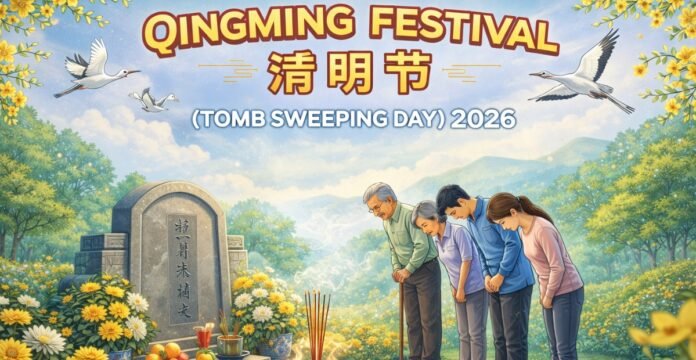
The Qingming Festival, also known as Tomb-Sweeping Day, is a traditional Chinese festival observed every year on April 4th or 5th. It is a time when families honor their ancestors by visiting graves, cleaning tombs, and offering food and prayers.
At the same time, Qingming Festival celebrates the beauty of spring. Nature comes alive, and people enjoy outdoor activities like walking, flying kites, and planting trees.It’s a time for renewal, both in remembrance and in embracing the present. The delicate blossoms and fresh greenery serve as a reminder of life’s continuous cycle, the beauty that emerges even after periods of dormancy. Families often picnic in parks and gardens, enjoying the pleasant weather and the company of loved ones. The act of planting trees symbolizes hope and growth, a tangible connection to the earth and a promise for the future.
History of Qingming Festival
The origins of Qingming Festival go back more than 2,500 years. It is linked to the story of Jie Zitui, a loyal man who lived during the Spring and Autumn Period.When his lord, Duke Wen of Jin, faced hardship in exile, Jie Zitui selflessly served and even sacrificed for him. Legend says that when the Duke returned to power, he forgot about Jie Zitui. Reminded of Jie’s loyalty, the Duke sought him out, but Jie Zitui refused to come out of the forest where he had retreated with his mother.
According to legend, Jie Zitui sacrificed himself for his lord. Later, people honored him by avoiding fire for a day and eating cold food. Over time, this tradition merged with spring rituals and became Qingming Festival.
Why is Tomb-Sweeping Important?
Tomb-sweeping is the heart of Qingming Festival. Families visit ancestral graves to show respect and remembrance.They clean the tombstones, offer food and light incense, and sometimes burn paper money as offerings. It’s a poignant way to honor those who came before and to maintain family ties across generations. The festival is a blend of solemnity and a celebration of life, as families often picnic and enjoy the spring scenery after paying their respects.
Key Activities Include:
- Cleaning the tomb and removing weeds
- Offering food, tea, and wine
- Burning incense and joss paper
- Bowing or praying to ancestors
This tradition reflects the Chinese value of filial piety, which means respecting elders and honoring family roots.
Celebrating Spring During Qingming
Besides honoring ancestors, Qingming is also a joyful time to enjoy nature.Many people go on family outings to parks and gardens, enjoying the blooming flowers and fresh air. It’s a time to appreciate the beauty of the world and celebrate the renewal of life that spring brings. Picnics are common, and people often fly kites, a traditional Qingming activity symbolizing letting go of bad luck and sending wishes to the heavens.
Popular Spring Activities:
- 🌼 Going on spring outings (called Taqing)
- 🪁 Flying colorful kites
- 🌱 Planting trees and flowers
- 🧺 Family picnics in the countryside
These activities symbolize renewal, growth, and hope.
Traditional Qingming Foods
Food plays an important role in the festival.
Common Dishes:
- Qingtuan – green rice balls made with mugwort
- Cold dishes (a tradition from ancient times)
- Fruits and tea as offerings
These foods are simple but meaningful, connecting families to their heritage.
Cultural Significance of Qingming Festival
The Qingming Festival is more than just a holiday. It represents:
- ❤️ Respect for ancestors
- 🌱 Connection with nature
- 👨👩👧👦 Strengthening family bonds
- 🕊️ Reflection on life and history
In modern times, people may also honor loved ones online or with simple home rituals.
Conclusion
The Qingming Festival (Tomb-Sweeping Day) beautifully combines remembrance and renewal. While families pay tribute to those who came before them, they also celebrate the arrival of spring and the promise of new beginnings. Learn About: International Days on April 2, World Stray Animals Day, International Carrot Day, International Day for Mine Awareness


