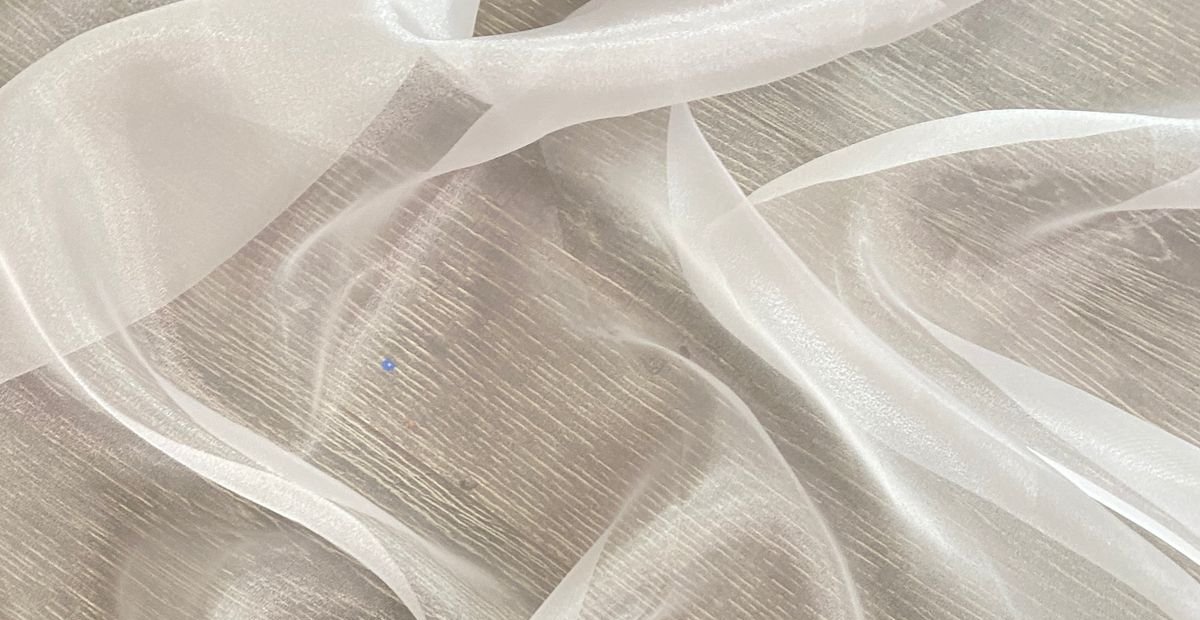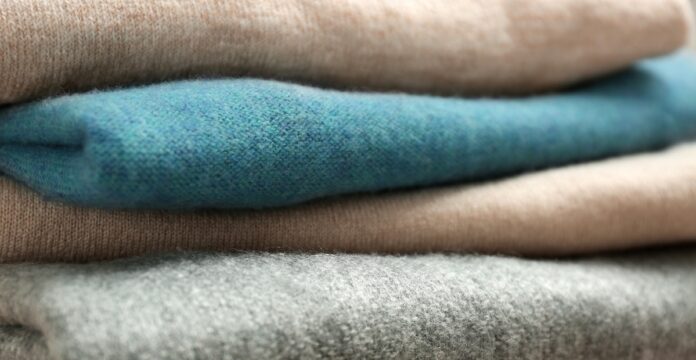
The world’s most luxurious wool textile, Heavyweight Pure Cashmere Fabric, is undoubtedly one of the best performing fabrics. Heavyweight pure cashmere fabric is distinguished by its exceptional durability, density and insulation. Lightweight cashmere, on the other hand, is known for its softness. It is therefore widely used for winter clothing, premium outerwear and high-end tailoring.
The fibers used in the Cashmere textile are taken from the undercoat. This makes the fabric not only warm but soft. The dense knitting or weaving process also enhances the structure of this fabric, making it perfect for cold climates. Cashmere heavyweight fabric is a favorite of luxury brands and consumers.
This comprehensive guide will teach you everything you need to know about the heavyweight cashmere fabric – its properties, production, benefits, uses, care instructions and buying considerations. This SEO-friendly piece is designed to help you understand why cashmere continues to be the fabric of choice for winter luxury.
What is heavyweight pure cashmere fabric?
Heavyweight Pure Cashmere Fabric with higher GSMs (grams per sq. meter) are usually heavier. They can range from 300 GSM up to 600 GSM. This fabric is thicker and denser than lighter variants. It provides better insulation and structure.
The heavyweight version of pure cashmere is made with a higher density. The fabric will feel fuller and richer in the hand.
Heavyweight Pure Cashmere Fabric that is used for many applications.
- Overcoats
- Winter Suits
- Blankets
- Shawls
- Structured sweaters
- Scarves
It is particularly valued in colder areas because of its weight.
Cashmere fibers are a pure cashmere fiber.
Heavyweight Pure Cashmere Fabric is a natural fiber that comes from the undercoats of Cashmere goats, which are found primarily in:
- Mongolia
- China
- Iran
- Afghanistan
To survive the harsh winters in these climates, goats grow a thick undercoat. The fibers are soft and insulating.
Traditionnellement, during the molting period, the fibers were combed manually. They are then sorted, cleaned and processed. Cashmere is rare and expensive because each goat produces a very small amount of fiber per year.
Heavyweight Pure Cashmere Fabric is characterized
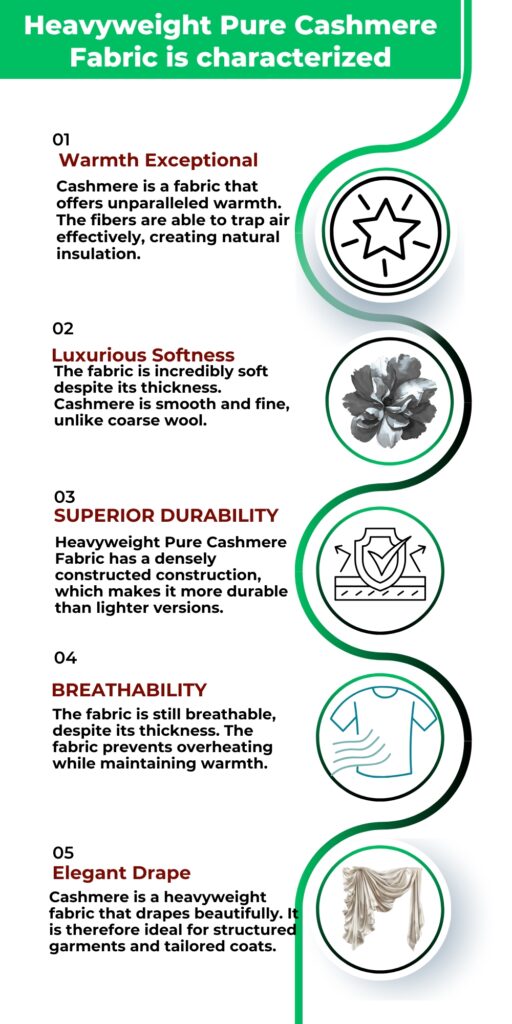
1. Warmth Exceptional
Cashmere is a fabric that offers unparalleled warmth. The fibers are able to trap air effectively, creating natural insulation. Even in temperatures below freezing, clothing made of this fabric provides reliable protection.
2. Luxurious Softness
The fabric is incredibly soft despite its thickness. Cashmere is smooth and fine, unlike coarse wool. As a result, irritations are minimized and comfort is increased.
3. Superior Durability
Heavyweight Pure Cashmere Fabric has a densely constructed construction, which makes it more durable than lighter versions. The structure is also reinforced when the fabric is woven or knitted. When garments are properly maintained, they will last longer.
4. Breathability
The fabric is still breathable, despite its thickness. The fabric prevents overheating while maintaining warmth.
5. Elegant Drape
Cashmere is a heavyweight fabric that drapes beautifully. It is therefore ideal for structured garments and tailored coats.
How to Make Heavyweight Pure Cashmere Fabric
Each step of the production process is carefully monitored. To preserve the fiber quality, each stage is carried out with precision.
Step 1: Collection of Fiber
The goats shed the winter undercoat in spring. The fibers are combed gently. The delicate nature of the process minimizes fiber damage.
Step 2: Sorting & Cleaning
The coarse hairs will be removed next. Separate and wash the fine fibers. Impurities are removed.
Step 3: Spinning
The fibers are cleaned and spun into yarn. To produce heavyweight fabrics, thicker yarns can be spun or multiple yarns can be twisted. Strength and density are improved.
Step 4: Weaving and Knitting
The yarn is then woven or knitted to fabric. The fabric is tightly woven. The final fabric is dense and insulating.
Step 5: Finishing
The fabric is then washed, brushed and dried. The result is a soft, plush finish. Steaming and pressing can be used to create structure in some cases.
Cashmere fabric in heavyweight types
The construction techniques vary, even though the fiber is the same. There are different types of pure heavyweight cashmere fabrics.
1. Cashmere Heavyweight Woven
The structure of this type makes it ideal for jackets and coats. The tight weave increases durability.
2. Heavyweight Knitted Cashmere
Knitted versions provide comfort and flexibility. Although warmth is still substantial.
3. Cashmere Double Faced
Two layers of fabric are bonded. The fabric is thicker and luxurious as a result.
4. Brushed Cashmere
Surfaces are brushed in order to produce a fuzzy texture. Softness is therefore amplified.
The Benefits of Heavyweight Pure Cashmere Fabric
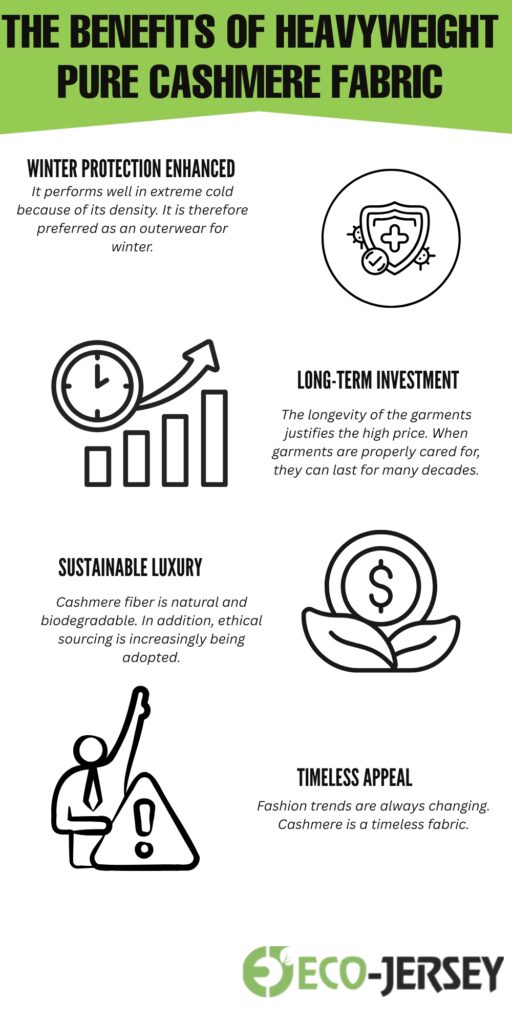
Winter Protection Enhanced
It performs well in extreme cold because of its density. It is therefore preferred as an outerwear for winter.
Long-Term Investment
The longevity of the garments justifies the high price. When garments are properly cared for, they can last for many decades.
Sustainable Luxury
Cashmere fiber is natural and biodegradable. In addition, ethical sourcing is increasingly being adopted.
Timeless Appeal
Fashion trends are always changing. Cashmere is a timeless fabric.
Fashion and Home Textiles
Cashmere is a heavyweight fabric that’s widely used for:
- Luxury Overcoats
- Winter suits tailored to your measurements
- Capes and Cloaks
- Premium scarves
- Winter blankets
- Upholstery Accents
It is suitable both for interior and apparel use because of its warmth.
How to Care for Cashmere Fabrics in Heavyweight
To preserve quality, proper care is essential.
- Structured garments should be dry cleaned.
- Hand-washing can be done using cold water and mild soap.
- To prevent stretching, flat drying is recommended.
- Store your clothes in ventilated garment bags.
- Cedar blocks are natural repellents that can be used to repel moths.
As the fibers are fragile, a harsh wringing is not recommended.
How to Identify Genuine Heavyweight Cashmere Fabric
Impersonations have been introduced to the market due to increased demand. It is important to verify the authenticity.
- Look for the 100% cashmere label.
- Examine the softness and resilience.
- Check GSM weight specifications
- Buy from reliable suppliers.
The texture of the fabric will be different if there are blended fibers.
Why Cashmere fabric is worth the price.
Cashmere is superior to synthetic fabrics in terms of performance. Natural insulation provides superior comfort. Cashmere is also associated with prestige.
Durability is another benefit of heavyweight versions. Consequently, the cost per wear decreases over time.
Market Demand and Popularity
Winter collections by luxury fashion houses often feature heavyweight cashmere fabrics. Demand continues to grow in regions with cold climates.
Moreover, consumers are increasingly valuing quality over quantity. Premium textiles such as heavyweight cashmere are becoming more popular.
Environmental Considerations
Cashmere is improving its sustainability practices. The cashmere industry is implementing responsible grazing practices and fiber sourcing. When ethical production is promoted, the ecological impact of this can be reduced.
Conclusion:
Cashmere fabric of heavyweight is the ultimate in winter luxury. It is superior to other fabrics because of its warmth, density and durability. Its timeless elegance also ensures its continued popularity in fashion and home décor.
The benefits of investing in cashmere are unquestionable. Choosing heavyweight pure Cashmere fabric is a choice of comfort, prestige and performance.
FAQs
What is heavyweight pure cashmere fabric?
Heavyweight pure cashmere fabric is a dense, high-GSM textile made from 100% fibers sourced from the undercoat of the Cashmere goat. Because the weave or knit is thicker, superior warmth and durability are provided.
How is heavyweight cashmere different from regular cashmere?
While both are made from pure cashmere fibers, heavyweight cashmere is constructed with higher density. Therefore, it offers more insulation, structure, and long-term durability compared to lightweight versions.
Is heavyweight pure cashmere suitable for extreme winter?
Yes, it is ideal for cold climates. Since natural air pockets are formed within the fibers, exceptional insulation is delivered without excessive bulk.