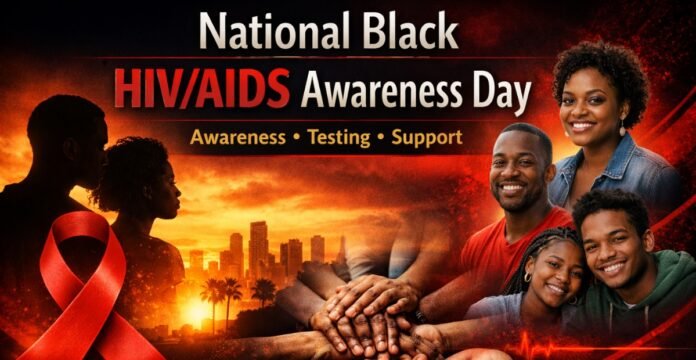
National Black HIV/AIDS Awareness Day is celebrated every year on February 7. This day is dedicated to raising awareness of HIV and AIDS impacting the Black community. Also, it is dedicated to the work that is still needed in the areas testing, treatment, education and support. Most importantly it advocates continuing works to reduce the stigma and positively change the health outcomes.
Although there have been advances in medicine around the treatment of HIV, a considerable number of Black people still continue to face the risks associated with it. Because of this, the need for awareness and education still exists.
What Is National Black HIV/AIDS Awareness Day?
National Black HIV/AIDS Awareness Day is a day set aside every year as a public health observance. Its main purpose is to educate the Black community on the HIV and AIDS pandemic. It encourages the Black community to actively engage in HIV/AIDS prevention strategies, to get tested early and to seek treatment. The day also advocates for people living with HIV and remembers those who have died from the disease.
This day is used by health organizations, community leaders and advocates to educate people and to promote the practice of good health.—
The Importance of National Black HIV/AIDS Awareness Day
While HIV/AIDS affects all communities and people of all ethnicities, it continues to affect Black communities disproportionately. The reasons for this disparity are many, and include a lack of health insurance, negative attitudes toward HIV, lack of knowledge, stigma, and poverty.
On National Black HIV/AIDS Awareness Day, people can:
- Advocate for regular HIV testing
- Advocate for timely treatment
- Combat stigma and help decrease fear
- Provide social support to people living with HIV
Increasing awareness will help people take the right actions. The right actions can save lives.
Black Communities and HIV
Although many communities are impacted by HIV, Black communities are disproportionately impacted. This is because even though the HIV infection rate is even among all ethnicities, the care that is provided to Black communities is historically less. Because of this, the communities and individuals most at-risk for HIV often go undiagnosed.
A timely HIV test is every important and can change the outcome of the future of people living with HIV. This is why HIV testing is very important.
Why People Should Get Tested for HIV.
The first step toward care and prevention is to get tested for HIV. Many people living with HIV are unaware of their status. This is why testing is vital.
Every year on National Black HIV/AIDS Awareness Day, health organizations promote:
- HIV Testing (Free or Low-Cost)
- Testing (Confidential)
- Healthcare (Routine HIV Testing)
Knowing your HIV status can be beneficial to everyone, including yourself.
Education & Prevention
A key aspect of HIV Education is also teaching ways to control its spread. Here, we offer several ways to control the spread of HIV:
- Having safe (protected) sex
- Having regular checkups with a doctor
- Taking PrEP and other preventative medications
- Discussing your sexual health with others
Fighting Stigma and Discrimination
The fear and misinformation of HIV are two of the biggest reasons why people do not seek help. National Black HIV/AIDS Awareness Day’s Stigma and Discrimination tries to help with this.
When people talk openly about the fear and misinformation of HIV, the shame, and stigma suffer. Awareness and knowledge are helpful and save lives.
How You Can Support National Black HIV/AIDS Awareness Day
You can help:
- Get tested and encourage others to do the same
- Bullshit stigma — talk against it
- Support local health organizations
- Get tested yourself
- Support people with HIV
All of these things will help and be of service to others.
Conclusion
National Black HIV/AIDS Awareness Day is about a lot more than just marking a date on a calendar. It shows that, with enough compassion, education, and action, we can help save lives. When communities advocate awareness, testing, and reduce HIV stigma, they help create a future with less HIV-related harm.
We can create a future with healthier and more educated communities. Learn About: International Days