Heat-retaining fabric is designed to keep the body warm in cold temperatures. It works by slowing down the loss of body heat. In winter weather, the human body loses warmth quickly, especially when cold air and wind hit clothing layers. Therefore, people need fabrics that can protect them without making clothing heavy. Heat-Retaining Fabric Explained:That is why heat-retaining fabric has become a popular solution in modern winter clothing.
In recent years, winter fashion has changed significantly. People now want warm clothing that feels light and flexible. Outdoor sports also influence this demand because hikers and skiers prefer lightweight thermal gear. As a result, brands focus more on advanced insulation materials. This is why the topic Heat-Retaining Fabric Explained is now important for both buyers and clothing manufacturers.Heat-Retaining Fabric Explained:
History Of Heat-Retaining Fabric
Heat-retaining fabric has a long history that connects directly to human survival in cold environments. Long before modern textile science existed, people understood that certain natural materials could hold warmth better than others. Early humans used animal skins, fur, and thick hides because these materials trapped air and reduced heat loss. Even though they did not know the science behind insulation, they learned through experience that layered materials kept the body warmer for longer periods.
As civilizations developed, people began weaving plant fibers and animal hair into fabrics. Wool became one of the earliest and most valuable heat-retaining materials.Heat-Retaining Fabric Explained: Ancient communities in colder regions, including parts of Europe and Central Asia, relied heavily on sheep wool because it provided warmth even in damp conditions. Wool garments were often worn in multiple layers, which improved heat retention and protected the body from harsh winter winds. Over time, wool became a symbol of winter survival and an important trade product.
What is heat-retaining fabric?
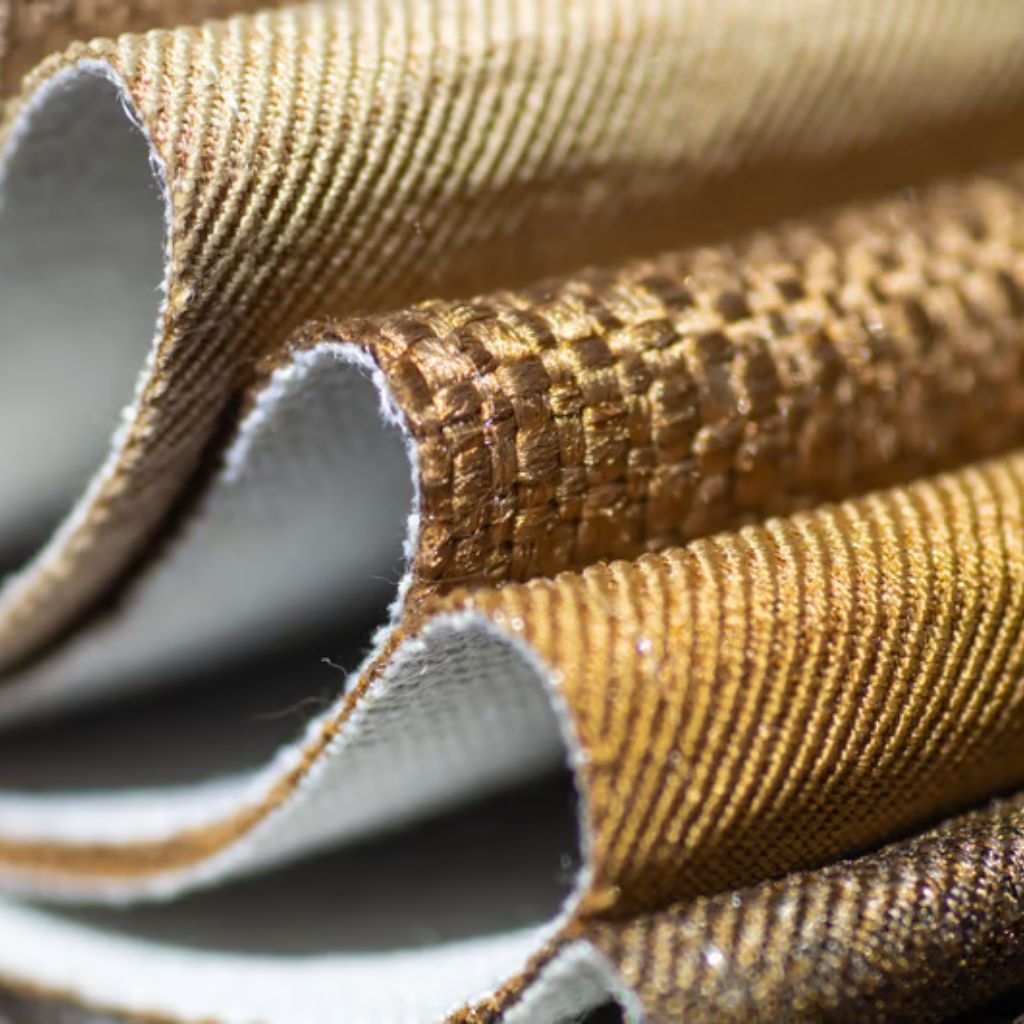
Heat-retaining fabric is a textile that helps hold warmth close to the body. It traps warm air inside its fibers or reflects heat back toward the skin. In most cases, it does not create heat. Instead, it keeps the heat produced by the body from escaping. This makes the wearer feel warmer for a longer time.
Why heat retention matters in cold climates
Cold climates remove body warmth very fast. If the body loses heat quickly, a person may feel tired and uncomfortable. In extreme cases, the cold can also become dangerous. Heat-retaining fabrics help prevent this by reducing heat loss. Therefore, they support comfort and safety in winter environments.
Growing demand in winter clothing & outdoor gear
The demand for heat-retaining fabric continues to grow every year. Many people now travel to snowy places and take part in winter sports. Because of this, they need clothing that keeps them warm while allowing movement. At the same time, daily winter wear also requires comfort and style. Heat-Retaining Fabric Explained:So, heat-retaining fabrics are now used in jackets, sweaters, and base layers.
How Heat-Retaining Fabric Works
To understand Heat-Retaining Fabric Explained, you must know how body heat behaves. The human body constantly produces heat. However, cold air steals that warmth through wind, moisture, and contact with cold surfaces. Heat-Retaining Fabric Explained:This process is called heat loss.Heat-Retaining Fabric Explained: Heat-retaining fabric reduces this heat loss and keeps warmth closer to the skin.
Most heat-retaining fabrics work by trapping warm air inside the fiber structure. Air is a natural insulator, so it helps slow down temperature transfer. Some advanced fabrics also reflect infrared energy back to the body. Therefore, the fabric can increase warmth without adding thickness.
Heat trapping vs heat generation
Heat-retaining fabrics mostly trap heat rather than generate it. The warmth comes from the body itself. The fabric simply holds that warmth by stopping it from escaping. This is why these fabrics work best when worn close to the skin. As a result, they feel warmer even when the fabric is lightweight.
Insulation vs thermal reflection
Insulation works by creating a barrier of trapped air. This prevents cold air from reaching the skin. On the other hand, thermal reflection works by bouncing body heat back inward. Some jackets use reflective linings that act like a mirror for heat energy. Therefore, both insulation and reflection can work together for better warmth.
Role of air pockets and fiber structure
Air pockets play a major role in heat retention. Fabrics with fluffy surfaces hold more air, which improves insulation. Fiber structure also controls how much cold air passes through the fabric.Heat-Retaining Fabric Explained: If the weave is tight, the fabric blocks wind better. So, fabric design strongly affects warmth performance.
Types of Heat-Retaining Fabrics
There are many fabric types used for warmth retention. Each one performs differently depending on weather and usage. Some fabrics are natural, while others are synthetic. Heat-Retaining Fabric Explained:However, all heat-retaining fabrics share the same goal of reducing heat loss. That is why it is important to understand their main types.
Some fabrics provide high insulation but low wind protection. Others offer balanced warmth and breathability. Therefore, people often choose fabric type based on activity level and climate. Heat-Retaining Fabric Explained:When Heat-Retaining Fabric Explained properly, these fabric categories become easier to compare.
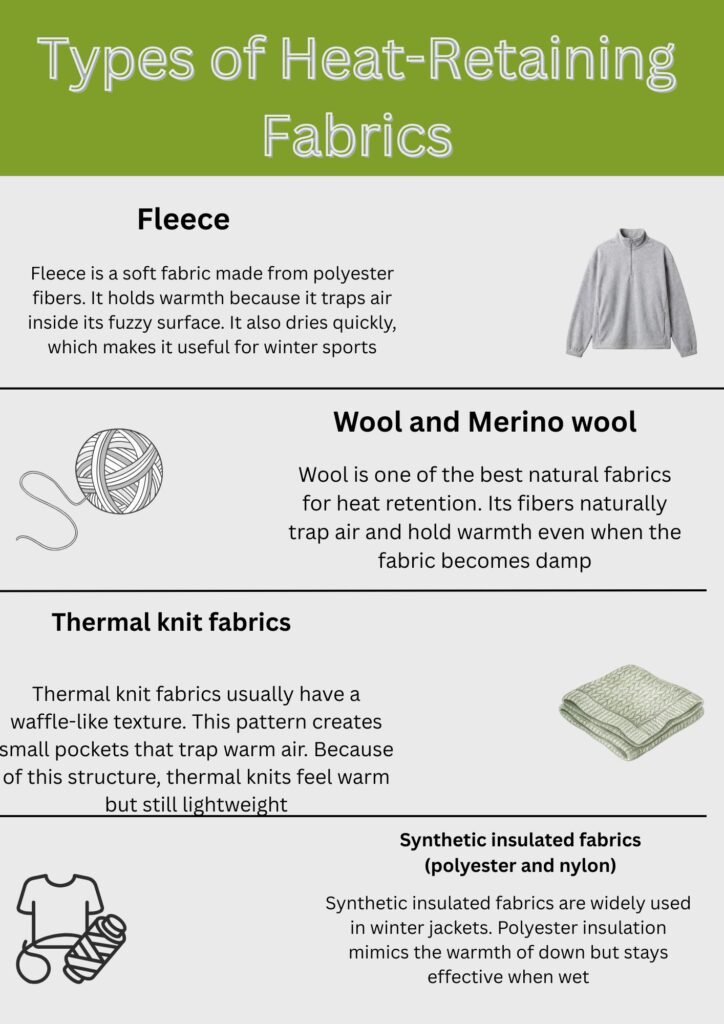
Fleece
Fleece is a soft fabric made from polyester fibers. It holds warmth because it traps air inside its fuzzy surface. It also dries quickly, which makes it useful for winter sports. However, fleece is not naturally windproof. Therefore, people often layer it under jackets.
Wool and Merino wool
Wool is one of the best natural fabrics for heat retention. Its fibers naturally trap air and hold warmth even when the fabric becomes damp. Merino wool is softer and more comfortable than traditional wool. Because of this, it is often used in base layers and socks. It also helps control odor, which is another advantage.
Thermal knit fabrics
Thermal knit fabrics usually have a waffle-like texture. This pattern creates small pockets that trap warm air. Because of this structure, thermal knits feel warm but still lightweight. They are commonly used in inner clothing layers.Heat-Retaining Fabric Explained: Therefore, they work well for both casual winter wear and outdoor activities.
Synthetic insulated fabrics (polyester and nylon)
Synthetic insulated fabrics are widely used in winter jackets. Polyester insulation mimics the warmth of down but stays effective when wet. Nylon is often used for the outer layer because it is durable and blocks wind. When combined, these materials provide warmth, strength, and comfort. That is why synthetic insulation dominates modern winter clothing.
Materials Used in Heat-Retaining Fabric
The materials used in heat-retaining fabrics decide how warm and durable the fabric will be. Some fibers trap air better, while others manage moisture more effectively.Heat-Retaining Fabric Explained: In addition, many brands use blended materials to combine different benefits. Therefore, material choice plays a major role in fabric performance.
Natural materials like wool provide warmth and comfort. Synthetic materials like polyester provide durability and water resistance. Eco-friendly alternatives are also becoming popular because people now care more about sustainability. So, fabric manufacturers continue to experiment with better fiber combinations.
Natural fibers vs synthetic fibers
Natural fibers like wool and alpaca are excellent for insulation. They trap air naturally and remain warm even in damp conditions. Synthetic fibers like polyester dry quickly and wick moisture well. They also resist shrinking and stretching. Therefore, both natural and synthetic fibers have unique advantages depending on climate needs.
Blended fabrics for enhanced warmth
Blended fabrics combine two or more fibers into one textile. For example, wool blends often include polyester to improve strength and reduce itchiness. These blends also help fabric keep its shape after washing. As a result, blended fabrics offer better durability and balanced warmth.Heat-Retaining Fabric Explained:
Eco-friendly heat-retaining materials
Eco-friendly heat-retaining materials include recycled polyester and responsibly sourced wool. Recycled insulation reduces plastic waste and supports sustainability goals. Natural alternatives also help because they are biodegradable.Heat-Retaining Fabric Explained: Therefore, eco-friendly heat-retaining fabrics are now becoming a smart choice for winter buyers.
Key Features of Heat-Retaining Fabric
Heat-retaining fabrics offer more than just warmth. Heat-Retaining Fabric Explained:They also provide comfort, softness, and better movement. Many winter clothing brands focus on making fabrics lightweight while still insulating well. This is why heat-retaining fabric has become more advanced over time.
The best fabrics balance warmth with breathability. They also manage sweat and reduce discomfort. Wind resistance is another valuable feature because wind can quickly remove body heat. Therefore, heat-retaining fabric is designed with multiple performance features, not just insulation.
Thermal insulation capability
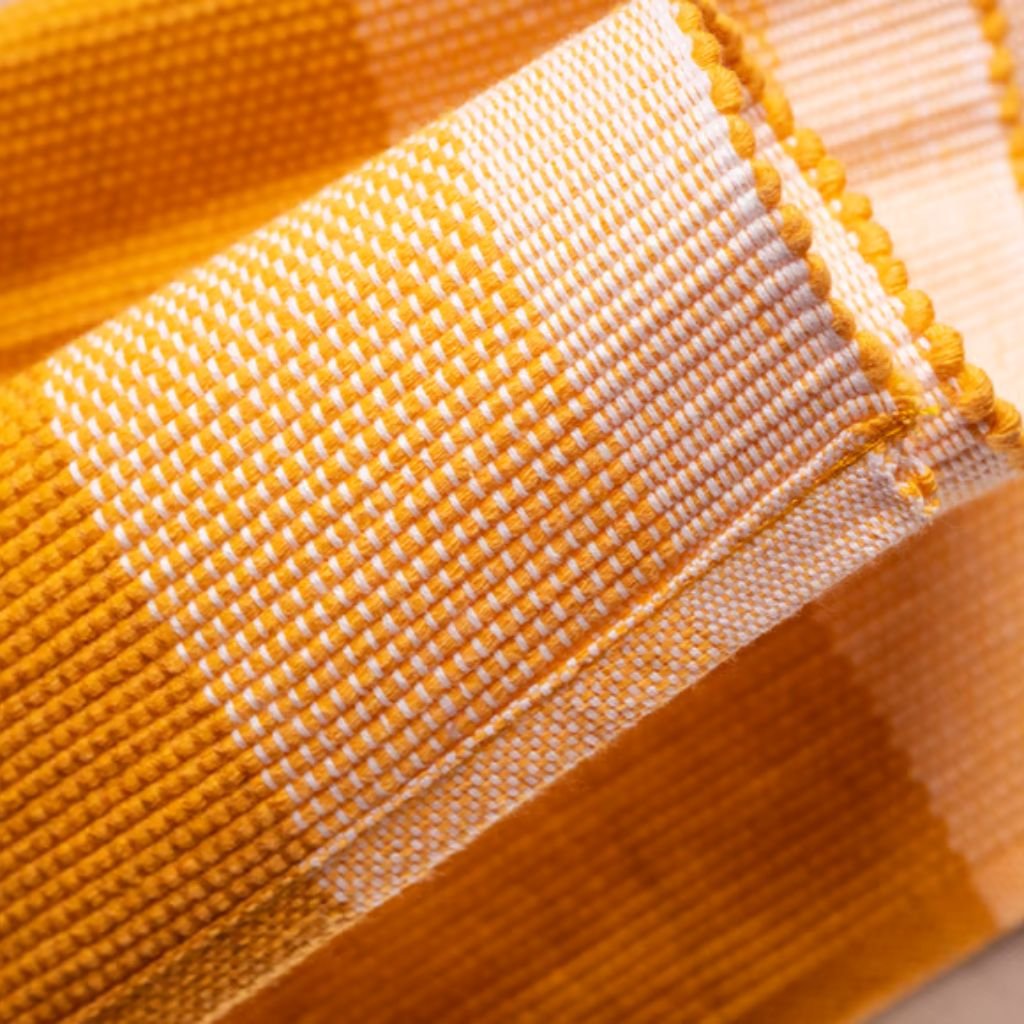
Insulation is the fabric’s ability to slow heat loss. Better insulation means the fabric can hold more warmth with less thickness. Fabrics like fleece and wool are strong insulators. Heat-Retaining Fabric Explained:Synthetic insulation also performs well in extreme cold. Therefore, insulation remains the most important feature.
Breathability
Breathability allows heat and moisture vapor to escape. This is important because sweat can make the body feel colder. Breathable heat-retaining fabric helps keep the skin dry. Merino wool and thermal knits are good examples. So, breathability improves overall winter comfort.
Moisture-wicking
Moisture-wicking fabrics pull sweat away from the skin. This prevents dampness and reduces chills. Many synthetic base layers use moisture-wicking technology.Heat-Retaining Fabric Explained: Wool also manages moisture naturally. Therefore, moisture-wicking helps maintain warmth during movement.
Lightweight warmth
Lightweight warmth is a major reason people choose heat-retaining fabric. It allows you to stay warm without heavy clothing. This improves comfort and mobility.Heat-Retaining Fabric Explained: Modern insulation technology supports this feature strongly. So, lightweight warmth is a key selling point in winter wear.
Wind resistance
Wind can make cold temperatures feel much worse. Wind-resistant fabrics reduce airflow through clothing layers. Nylon shells and tightly woven fabrics help block wind. Heat-Retaining Fabric Explained:This keeps warm air trapped inside. Therefore, wind resistance increases fabric warmth significantly.
Softness and comfort
Softness matters because winter clothes touch the skin for long periods. Rough fabrics can cause irritation and itching. Merino wool, brushed fleece, and soft synthetic blends provide comfort. Therefore, softness is an essential feature for daily winter clothing.
Benefits of Heat-Retaining Fabric
Heat-retaining fabrics provide clear advantages in winter weather. They keep the body warmer and reduce the need for heavy clothing. Heat-Retaining Fabric Explained:They also support outdoor performance and everyday comfort. Because of this, these fabrics have become common in winter fashion.
Another important benefit is energy conservation. When the body stays warm, it does not need to work as hard. This improves comfort and reduces tiredness.Heat-Retaining Fabric Explained: Therefore, heat-retaining fabrics support both health and convenience during cold seasons.
Maintains body warmth in extreme cold
Heat-retaining fabric helps maintain warmth by slowing heat loss. It traps warm air or reflects heat back to the body. This makes a major difference in freezing conditions. Therefore, it provides strong protection in winter climates.
Reduces energy loss
When the body stays warm, it uses less energy to maintain temperature. This helps prevent fatigue during outdoor activities. It also improves comfort during long winter days. Therefore, warmth supports better physical endurance.
Comfortable for layering
Heat-retaining fabrics work well in layered outfits. They fit under jackets and coats without adding bulk. This makes winter dressing easier and more stylish. Therefore, layering becomes more effective with these fabrics.
Ideal for outdoor activities
Outdoor sports require warmth and moisture control. Heat-retaining fabrics provide insulation while still allowing movement. They also dry quickly and reduce sweat discomfort. Therefore, they are widely used in hiking and skiing gear.
Suitable for everyday winter wear
Heat-retaining fabric is not limited to outdoor clothing. Many casual winter outfits also use these fabrics for daily comfort. Jackets, sweaters, and leggings often include thermal materials. Therefore, they fit into everyday life easily.
Heat-Retaining Fabric vs Thermal Fabric
Many people think thermal fabric and heat-retaining fabric are identical. Heat-Retaining Fabric Explained:However, they are not always the same. Thermal fabric often refers to fabric designed for insulation through thickness and knit structure. Heat-retaining fabric can include advanced technology such as infrared reflection.Heat-Retaining Fabric Explained: Therefore, heat-retaining fabric often provides stronger warmth at lighter weight.
In many cases, thermal fabric is a basic category. Heat-retaining fabric is a broader category that includes thermal fabrics as well. So, the difference depends on construction and performance level.
Key differences explained
Thermal fabric focuses mainly on insulation through air trapping. Heat-retaining fabric can trap air and also reflect heat energy. Thermal fabric is often thicker and heavier. Heat-retaining fabric can stay thin but still provide strong warmth. Therefore, heat-retaining fabric is often considered more advanced.Heat-Retaining Fabric Explained:
Which one is better for winter?
Thermal fabric works well for mild to moderate cold weather. Heat-retaining fabric works better for harsh winter conditions. If you need lightweight warmth, heat-retaining fabric is usually a better choice. However, thermal fabric can still be a good budget-friendly option.
Use-case comparison table (SEO + UX boost)
| Feature | Heat-Retaining Fabric | Thermal Fabric |
| Warmth Level | High to very high | Medium to high |
| Weight | Lightweight | Often heavier |
| Technology | Reflective, PCM, insulation | Mostly knit insulation |
| Best Use | Extreme cold, outdoor gear | Daily winter basics |
| Moisture Control | Usually better | Moderate |
Common Uses of Heat-Retaining Fabric
Heat-retaining fabrics are used in many products today. They appear in winter jackets, sportswear, and thermal underlayers. They are also used in home textiles like blankets. Heat-Retaining Fabric Explained:Because these fabrics improve comfort, their use continues to expand.
Cold-weather workwear also depends on these fabrics. Many workers spend long hours in freezing conditions. Therefore, heat-retaining clothing is essential for safety and productivity. This wide use proves that heat-retaining fabric has become a key winter technology.
Winter jackets and coats
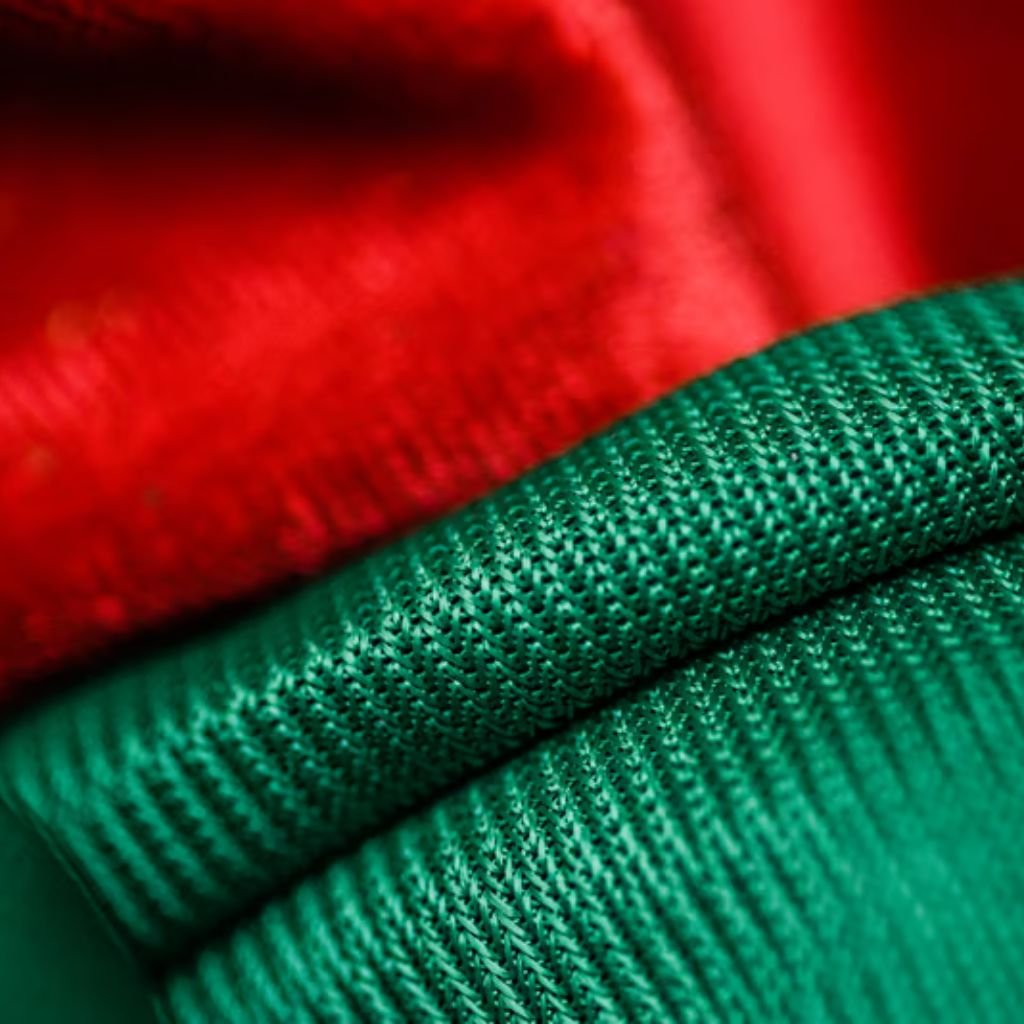
Winter jackets often use synthetic insulation, fleece lining, or reflective thermal layers. These materials trap warmth and reduce heat loss. Many coats also include windproof shells for better protection. Therefore, jackets are one of the most common uses of heat-retaining fabrics.
Thermal base layers
Thermal base layers sit close to the skin and keep the body warm. They also help control sweat and reduce dampness. Merino wool and synthetic blends are popular for this purpose. Therefore, base layers are essential for winter comfort.
Sportswear and outdoor gear
Outdoor clothing needs warmth, flexibility, and breathability. Heat-retaining fabrics meet these needs effectively. Ski suits, hiking pants, and gloves often use these materials. Therefore, outdoor brands rely heavily on heat-retaining fabric technology.
Blankets and home textiles
Heat-retaining fabrics are widely used in blankets, comforters, and winter bedding. Wool and fleece blankets are especially popular. Some modern blankets also include reflective thermal layers. Therefore, these fabrics provide cozy warmth inside homes.
Workwear for cold environments
Cold environment workwear includes insulated jackets, pants, and boots. These products must protect workers from freezing temperatures. Heat-retaining fabrics help reduce heat loss during long shifts. Therefore, they are widely used in industrial winter clothing.
Is Heat-Retaining Fabric Breathable?
Many people worry that warm fabrics may block airflow. This is a common concern because trapped sweat can cause discomfort. However, modern heat-retaining fabrics are often designed to stay breathable. Heat-Retaining Fabric Explained:They allow moisture vapor to escape while still holding warmth.Heat-Retaining Fabric Explained:Therefore, breathability depends on fabric type and construction.
Breathability is especially important for outdoor activities. When people move, they sweat more. If sweat stays inside clothing, the body can cool down quickly. So, breathable heat-retaining fabrics improve comfort and safety.
Balancing warmth and airflow
Good heat-retaining fabric holds warm air but releases moisture. This prevents sweat buildup and keeps the body dry. If fabric is too sealed, overheating may occur. Therefore, balance is necessary for long-term comfort.
Best breathable heat-retaining fabrics
Merino wool is one of the best breathable heat-retaining materials. Thermal knit fabrics also allow airflow through their structure. Many synthetic blends include moisture-wicking features as well. Therefore, breathable warmth is easy to find in modern winter clothing.
Comfort during physical activity
During exercise, body temperature rises quickly. Breathable heat-retaining fabrics prevent overheating and sweat discomfort. They also reduce the risk of chilling after activity stops. Therefore, they are ideal for hiking, running, and skiing.
How to Choose the Best Heat-Retaining Fabric
Choosing the best heat-retaining fabric depends on your climate and lifestyle. Some people need fabric for casual daily use. Others need high-performance fabric for extreme cold.Heat-Retaining Fabric Explained: Therefore, your activity level matters when selecting materials.
You should also consider layering needs. Some fabrics work best as base layers, while others work as mid-layers. Fabric weight and thickness also affect movement comfort. So, smart selection improves winter protection and satisfaction.
Climate considerations
For mild winters, light thermal knits may be enough. For harsh winters, wool and synthetic insulation work better. Windy climates also require wind-resistant outer fabrics. Therefore, climate is the first factor to consider.
Activity level (casual vs outdoor sports)
Casual wear needs comfort and softness. Outdoor sports require breathability and moisture-wicking. Synthetic blends often work best for active conditions. Therefore, your daily routine should guide your fabric choice.
Layering compatibility
Heat-retaining fabric performs best when layered properly. Base layers should wick sweat and hold warmth. Mid-layers should trap air for insulation. Outer layers should block wind and moisture. Therefore, layering compatibility is essential.
Fabric weight and thickness
Thicker fabric does not always mean better warmth. Some advanced fabrics provide strong warmth while staying thin. Infrared reflective linings are a good example. Therefore, always focus on technology and fiber structure, not thickness alone.
Heat-Retaining Fabric for Extreme Cold Conditions
Extreme cold requires high-performance fabric systems. In sub-zero temperatures, a single layer is not enough. Therefore, heat-retaining fabric must work together with layering strategies.Heat-Retaining Fabric Explained: Many winter systems include a moisture-wicking base layer, a warm mid-layer, and a protective shell.
Wind and snow also affect warmth performance. Wind chill can remove heat quickly. Snow and moisture can reduce insulation if fabric stays wet. So, extreme cold clothing must focus on warmth, wind resistance, and moisture control.
Best fabrics for sub-zero temperatures
Merino wool works well as a warm base layer. Synthetic insulation performs well because it stays warm when damp. Fleece also works as a mid-layer for added air trapping. Therefore, combining these fabrics gives the best results.Heat-Retaining Fabric Explained:
Multi-layer fabric systems
A multi-layer system keeps the body warm more efficiently. The base layer keeps skin dry and warm. The mid-layer traps heat for insulation. The outer layer blocks wind and water. Therefore, layering is the best strategy for extreme cold.
Performance in snow and wind
Snow and wind reduce warmth faster than dry cold air. Wind pushes cold air through fabric gaps. Snow adds moisture, which can lower insulation. Therefore, windproof shells and moisture-resistant materials improve performance greatly.
Sustainability and Eco-Friendly Heat-Retaining Fabrics
Sustainability is now a major concern in fabric production. Many brands now use recycled polyester insulation. This reduces plastic waste and lowers environmental damage.Heat-Retaining Fabric Explained: Natural fibers like wool are also considered eco-friendly because they are renewable.
However, sustainability depends on how materials are sourced and processed. Responsible wool farming reduces harm to animals and land. Recycled synthetic production reduces landfill waste. Therefore, eco-friendly heat-retaining fabrics are becoming the future of winter clothing.
Recycled insulated fabrics
Recycled insulation is made from used plastic materials. It reduces waste and supports sustainable fashion. Many outdoor brands now prefer recycled polyester fills. Heat-Retaining Fabric Explained:Therefore, recycled insulation is a strong eco-friendly option.
Natural alternatives
Wool is biodegradable and renewable when sourced responsibly. Alpaca wool also provides warmth with lightweight comfort. These natural fibers reduce dependence on plastic materials. Therefore, natural alternatives remain popular for sustainable warmth.
Environmental impact comparison
Synthetic fabrics require petroleum-based resources. However, recycled synthetics reduce this negative impact. Natural fibers use less plastic but may require more water and land. Therefore, the best choice depends on responsible sourcing and production.Heat-Retaining Fabric Explained:
Myths About Heat-Retaining Fabric
Many myths confuse people when buying winter clothing. Some believe thick clothing always means better warmth. Others believe synthetic fabrics always trap sweat. However, modern textile technology has changed these ideas.
Understanding facts helps you make better buying decisions. Heat-Retaining Fabric Explained:Lightweight insulation can outperform heavy materials. Modern synthetics can also be breathable and moisture-wicking. Therefore, it is important to trust performance features instead of myths.
“Thicker always means warmer”
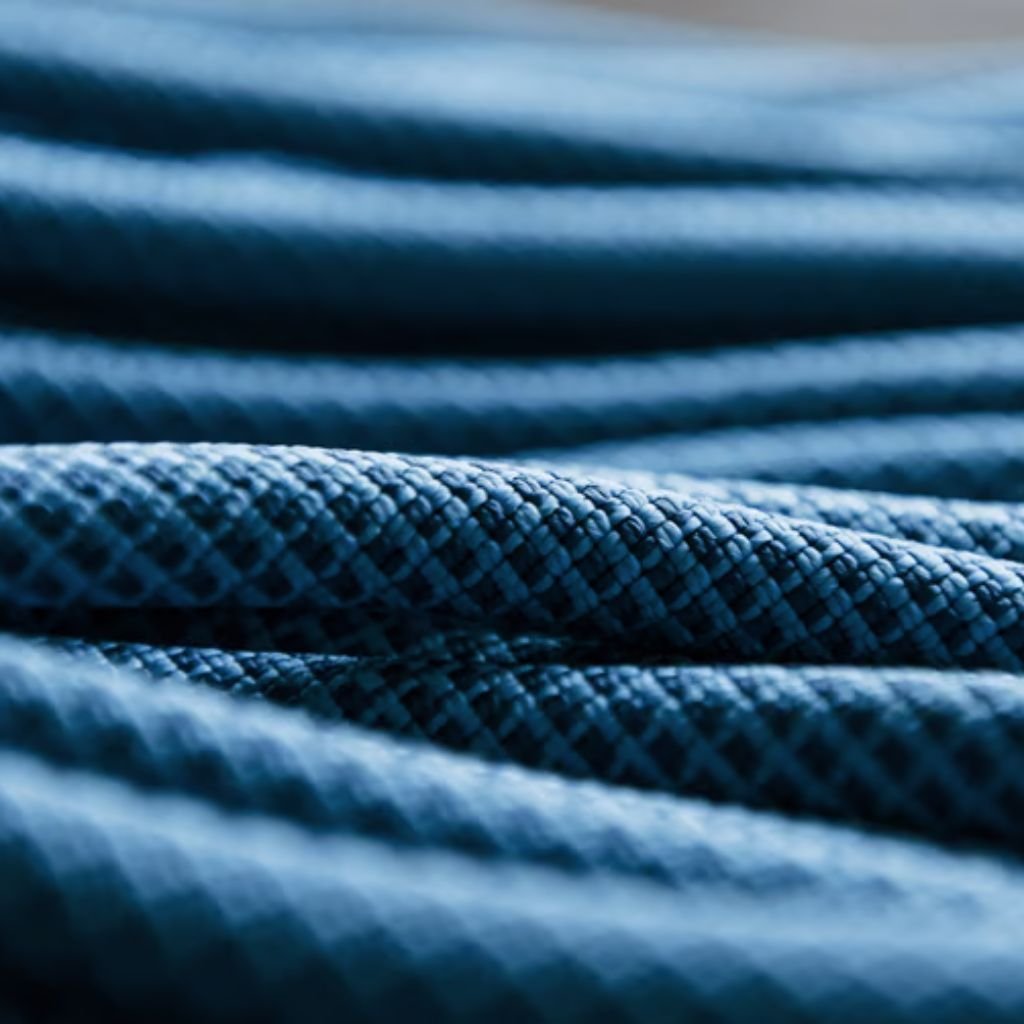
Thick fabrics can feel warm, but they may not block wind. Some thick fabrics also lose insulation when compressed. Modern insulation can provide better warmth at lower thickness. Therefore, structure matters more than size.
“Synthetic fabrics aren’t breathable”
Older synthetic fabrics often trapped sweat. However, modern polyester blends are designed for airflow and moisture control. Many synthetics dry quickly and stay comfortable. Therefore, synthetic fabrics can be breathable if designed properly.
Care and Maintenance Tips
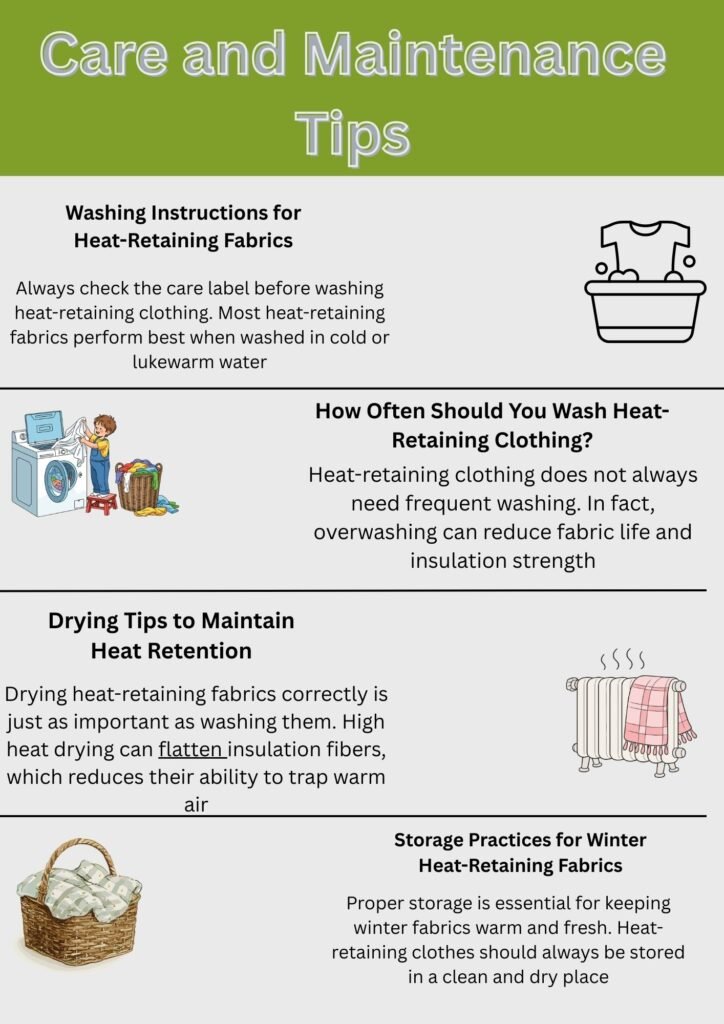
Washing Instructions for Heat-Retaining Fabrics
Always check the care label before washing heat-retaining clothing. Most heat-retaining fabrics perform best when washed in cold or lukewarm water. Hot water can weaken synthetic fibers and shrink wool-based materials. Therefore, gentle water temperature helps preserve the insulation structure. Heat-Retaining Fabric Explained:Mild detergent is also important because strong chemicals may break down fabric coatings.
How Often Should You Wash Heat-Retaining Clothing?
Heat-retaining clothing does not always need frequent washing. In fact, overwashing can reduce fabric life and insulation strength. If the clothing is not sweaty or dirty, airing it out may be enough. Wool and merino wool fabrics especially resist odor naturally. Therefore, you can wash them less often compared to cotton clothing.
Drying Tips to Maintain Heat Retention
Drying heat-retaining fabrics correctly is just as important as washing them. High heat drying can flatten insulation fibers, which reduces their ability to trap warm air. That is why air drying is usually the safest option for most thermal clothing.Heat-Retaining Fabric Explained: If you must use a dryer, always choose low heat or tumble dry settings.
Storage Practices for Winter Heat-Retaining Fabrics
Proper storage is essential for keeping winter fabrics warm and fresh. Heat-retaining clothes should always be stored in a clean and dry place. Damp storage can lead to odor, mold, and fabric damage. Therefore, you should never pack winter coats away while they are wet or dirty.
Conclusion
Yes, heat-retaining fabric is worth it for most winter needs. It provides strong warmth while keeping clothing lightweight and comfortable. It also supports outdoor performance by balancing insulation and moisture control. Therefore, it works well for both sports and daily wear.
The best part is that modern technology improves warmth without bulk. Many fabrics now include infrared reflection and advanced insulation systems. Eco-friendly options are also available for sustainable buyers.Heat-Retaining Fabric Explained: So, Heat-Retaining Fabric Explained proves that this fabric is one of the smartest winter investments.
FAQs
Is heat-retaining fabric good for daily wear?
Yes, it is a great option for daily winter clothing. It keeps you warm without heavy layers. It also fits easily into casual outfits. Therefore, it is suitable for everyday use.
Does it work when wet?
Some heat-retaining fabrics still insulate when wet, especially wool. Synthetic insulation also performs better than down in wet conditions. However, fully soaked clothing will reduce warmth. Therefore, water resistance still matters.
How long does heat-retaining fabric last?
Heat-retaining fabric can last many years with proper care. Wool and fleece often remain effective for a long time. Poor washing methods can reduce performance. Therefore, correct maintenance improves fabric lifespan.
Is it suitable for sensitive skin?
Merino wool is usually safe because it is soft and smooth. Some people may react to rough wool fibers. Synthetic fabrics are also soft but may trap sweat sometimes. Therefore, soft blends are best for sensitive skin.