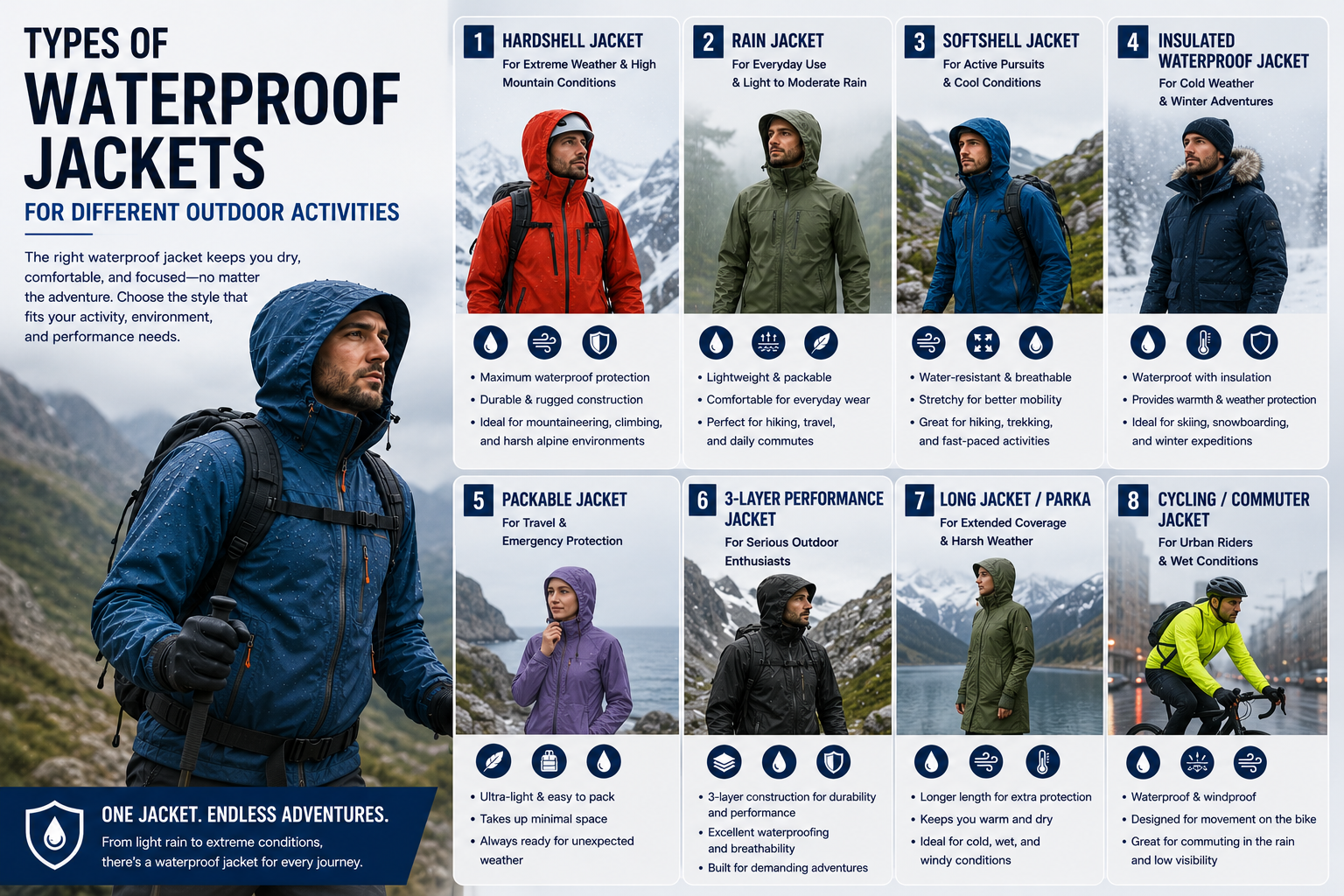
A Weather-Resistant Winter Coat is more than just an outer layer; it is a crucial piece of winter attire designed to protect against unpredictable weather conditions. Winter can be unpredictable, with snow, rain, wind, and cold temperatures often appearing within hours. In such environments, choosing a coat that effectively shields the body from these elements becomes essential. Unlike regular jackets, a weather-resistant coat offers a balance between warmth, moisture protection, and breathability, making it a versatile solution for daily wear.
The value of a weather-resistant coat lies in its ability to keep the wearer dry and comfortable in moderately wet conditions while blocking cold air and wind. This type of coat works well for everyday urban life, commuting, and casual outdoor activities. It allows free movement without the heaviness or restriction often found in fully waterproof jackets, providing a more natural and comfortable wearing experience. Whether navigating a snowy city street, traveling, or enjoying outdoor winter activities, the coat offers consistent protection while maintaining a polished and stylish appearance.
What Is a Weather-Resistant Winter Coat?
A weather-resistant winter coat is designed to repel light rain, snow, and wind while providing adequate warmth. Unlike fully waterproof coats, which are meant to withstand heavy rainfall or prolonged exposure to wet conditions, weather-resistant coats prioritize balance. They maintain comfort and flexibility while offering a protective barrier against winter elements. This makes them ideal for urban life and daily wear, where moderate weather protection is often sufficient.
The primary distinction between weather-resistant and waterproof coats lies in breathability. Weather-resistant coats allow air circulation, preventing the build-up of moisture inside the garment. This feature makes them comfortable for longer periods, especially during active movement, such as commuting or walking. These coats are crafted using materials that resist water penetration, block wind, and often include insulating layers that retain heat. Common terms associated with this outerwear include cold-weather coat, protective winter jacket, and winter outerwear. These coats are carefully engineered to ensure that warmth and comfort are maintained without compromising style or mobility.
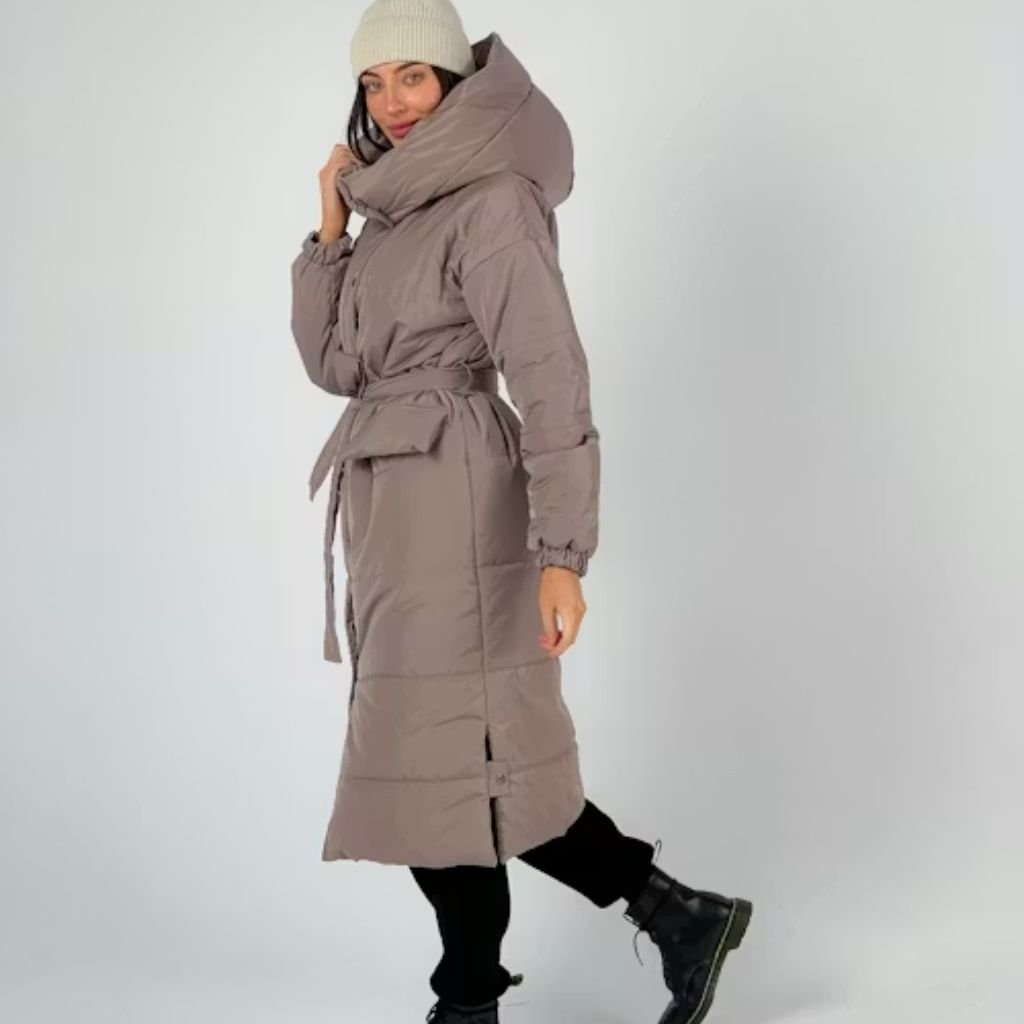
Key Features of a Weather-Resistant Winter Coat
The performance of a weather-resistant winter coat depends on multiple factors, each carefully considered during design and manufacturing. Fabric choice is critical, as water-resistant textiles such as treated polyester or nylon shells repel moisture while remaining flexible. These materials prevent light rain or snow from soaking the wearer and allow water to roll off the surface. Advanced coatings improve durability and resistance to wear while maintaining a comfortable texture. The fabric is designed to handle daily abrasion without losing its weather-resistant properties, making the coat suitable for long-term use.
Windproof construction is equally important. By employing tightly woven materials and layered shells, these coats block cold air from penetrating, preserving body heat. This feature is crucial for maintaining warmth in exposed outdoor environments or during windy commutes. When wind is blocked effectively, the wearer retains heat more efficiently, and the coat’s insulation works as intended.
Types of Weather-Resistant Winter Coats
Weather-resistant winter coats come in a variety of styles and designs, each suited to specific winter conditions, activities, and personal preferences. Understanding the different types helps you select a coat that combines warmth, protection, and style for your lifestyle. From casual urban wear to outdoor adventure-ready designs, these coats are crafted to meet diverse needs while maintaining core weather-resistant qualities.
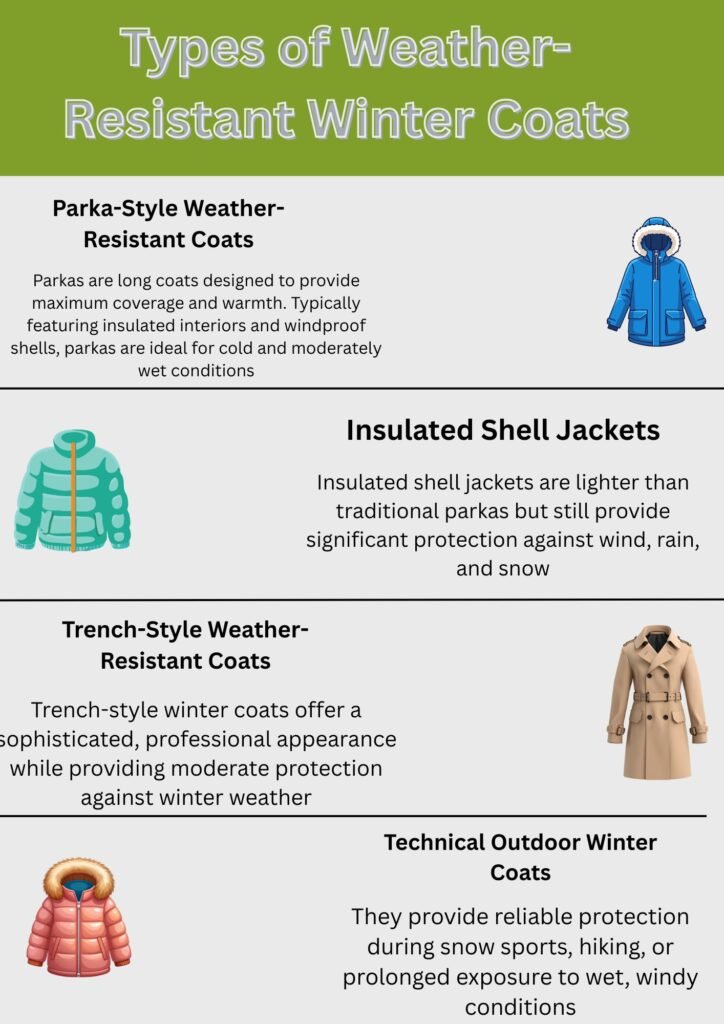
Parka-Style Weather-Resistant Coats
Parkas are long coats designed to provide maximum coverage and warmth. Typically featuring insulated interiors and windproof shells, parkas are ideal for cold and moderately wet conditions. Many parkas include adjustable hoods lined with faux or real fur, which offer additional protection against wind and snow.
Insulated Shell Jackets
Insulated shell jackets are lighter than traditional parkas but still provide significant protection against wind, rain, and snow. These coats combine a durable outer shell with synthetic or down insulation, offering warmth while remaining flexible. They are particularly suitable for active individuals who need a weather-resistant coat that allows freedom of movement for activities like walking, cycling, or light outdoor sports.
Trench-Style Weather-Resistant Coats
Trench-style winter coats offer a sophisticated, professional appearance while providing moderate protection against winter weather. Made from treated cotton blends or synthetic fabrics, these coats repel light rain and snow while maintaining a tailored look. Trench coats are ideal for work environments or occasions where style is as important as functionality.
Technical Outdoor Winter Coats
Technical outdoor coats are designed for extreme conditions and outdoor enthusiasts. Often constructed with waterproof and windproof membranes, synthetic insulation, and reinforced seams, these coats are engineered for durability and high performance. They provide reliable protection during snow sports, hiking, or prolonged exposure to wet, windy conditions. Features like adjustable hoods, storm flaps, and ventilation zippers enhance functionality while allowing wearers to regulate warmth and breathability.
Best Materials Used in Weather-Resistant Winter Coats
Choosing the right material is crucial for a Weather-Resistant Winter Coat, as it directly impacts warmth, durability, and protection against wind, rain, and snow. Modern coats combine multiple materials to achieve optimal performance while maintaining comfort. The choice of outer shells, insulation, and lining all play an important role in keeping the wearer dry and warm in unpredictable winter conditions.
Polyester and Nylon Shells
Polyester and nylon are among the most common materials used in weather-resistant coats. Their tightly woven fibers naturally resist water and wind while remaining lightweight and flexible. These materials allow rain and snow to bead and roll off the surface, preventing the coat from becoming saturated. In addition, both polyester and nylon are highly durable, resisting wear and tear caused by daily use. This durability ensures that a coat maintains its protective properties and shape over several winter seasons.
Treated Cotton Blends
Cotton blends are valued for their softness and breathability, making them comfortable for extended wear. However, untreated cotton absorbs moisture easily, which can reduce warmth and comfort in wet conditions. To overcome this, treated cotton blends incorporate water-resistant finishes that repel light rain and snow. These coatings allow the fabric to maintain its natural feel while improving protection against moisture and wind.
Down vs Synthetic Insulation
Insulation plays a pivotal role in the warmth of a Weather-Resistant Winter Coat. Down, made from fine bird feathers, offers excellent warmth-to-weight ratio. It traps heat efficiently, keeping the body insulated without adding bulk. Down is lightweight and compressible, which makes coats easy to carry or pack for travel. However, down loses insulating ability when exposed to moisture, which makes it less effective in wet or snowy conditions.
Breathable Membranes
Breathable membranes are thin layers embedded within the coat to manage moisture and airflow. These membranes allow sweat and internal moisture to escape while preventing external water from entering. This ensures that the wearer stays dry and comfortable during physical activity or prolonged wear. Unlike fully waterproof coats, breathable membranes maintain a natural balance of warmth and ventilation, reducing the risk of overheating.
How Warm Is a Weather-Resistant Winter Coat?
The warmth of a Weather-Resistant Winter Coat is one of the most important considerations when choosing winter outerwear. People often ask, “Is it warm enough for my winter activities?” Understanding how these coats provide insulation, block wind, and interact with layering is crucial to answering this question. Unlike traditional coats that rely solely on thickness or heavy fabrics, weather-resistant coats are designed to trap heat efficiently while allowing breathability, creating a balance between warmth and comfort.
One of the primary factors affecting warmth is the type of insulation used. Down insulation, for example, offers exceptional heat retention by trapping warm air in small pockets formed by fine feathers. This trapped air acts as a natural barrier against cold temperatures, keeping the body insulated even in freezing conditions. Down is lightweight, compressible, and highly efficient, which is why it is commonly used in high-end winter coats. However, down can lose its insulating properties when exposed to moisture, so in wet conditions, the warmth it provides may be reduced. This is where synthetic insulation becomes advantageous.

Weather-Resistant vs Waterproof Winter Coats
When choosing winter outerwear, understanding the difference between a Weather-Resistant Winter Coat and a fully waterproof coat is essential. Both types of coats are designed to protect the wearer from winter elements, but they serve different purposes and perform differently in various conditions. By exploring their materials, construction, and intended use, you can make an informed decision about which coat best suits your lifestyle and climate.
Performance Differences
A weather-resistant winter coat is designed to handle light moisture and moderate winter conditions. It repels drizzle, snow flurries, and light rain while blocking wind and retaining warmth. These coats often feature water-resistant shells, insulation layers, and breathable membranes that allow moisture from the body to escape. This makes them ideal for daily use, where comfort and mobility are as important as protection. Weather-resistant coats are flexible, lightweight, and breathable, allowing the wearer to remain comfortable even during long walks, commuting, or city activities.
Pros and Cons of Weather-Resistant Winter Coats
Weather-resistant coats excel in comfort, breathability, and versatility. Their lighter design and ability to manage moderate moisture make them perfect for urban environments and everyday wear. They allow for layering without feeling bulky and offer sufficient warmth for most winter climates. Additionally, weather-resistant coats often have adjustable features, such as hoods, cuffs, and hems, which improve insulation and heat retention while maintaining flexibility.
Pros and Cons of Waterproof Winter Coats
Waterproof coats provide unparalleled protection from rain, snow, and wet wind. Their sealed seams and waterproof membranes prevent water from entering, making them essential for extreme weather conditions or outdoor adventures. These coats are ideal for hiking, winter sports, or regions where wet snow and rain are frequent and heavy.
Which One Is Better for Daily Winter Wear?
For most people living in urban areas or dealing with moderate winter conditions, a Weather-Resistant Winter Coat is often the more practical choice. Its balance of warmth, wind protection, light water repellence, and breathability makes it ideal for commuting, errands, and casual outdoor activities. It allows wearers to stay comfortable without overheating, provides enough protection against sudden snow or drizzle, and can easily accommodate layering for colder days.
Benefits of Wearing a Weather-Resistant Winter Coat
The advantages of wearing a weather-resistant winter coat extend beyond basic warmth and protection. These coats shield against sudden changes in weather, including wind, drizzle, and light snow, ensuring the wearer remains dry and comfortable. Their breathable design prevents overheating, even during physical activity, allowing for extended wear without discomfort.
Durability is another benefit. Quality materials and thoughtful construction result in long-lasting outerwear capable of handling repeated exposure to winter conditions. This durability improves the cost-effectiveness of owning a weather-resistant coat, as it can be used season after season without significant degradation. Additionally, these coats combine function with aesthetics, providing a stylish appearance suitable for a variety of settings, from casual outings to work environments.
How to Choose the Right Weather-Resistant Winter Coat
Selecting the right weather-resistant winter coat requires consideration of climate, insulation, length, and lifestyle. In milder climates, lighter insulation may suffice, while colder regions may require thicker fillings. The length of the coat affects warmth retention, with longer designs providing better coverage and wind protection.
Lifestyle considerations also influence choice. For commuting, a coat that balances warmth and mobility is ideal. Outdoor enthusiasts may prefer coats with higher wind and moisture resistance. For casual urban wear, aesthetic appeal becomes more important, along with moderate insulation and lightweight design. Understanding one’s personal needs ensures the coat provides both comfort and protection throughout the winter season.
Weather-Resistant Winter Coats for Different Uses
For everyday city wear, weather-resistant coats offer the perfect combination of style, warmth, and comfort. They protect against light snow and drizzle while allowing ease of movement during commuting or walking. Outdoor activity coats emphasize flexibility, durability, and insulation, making them suitable for winter hiking, casual sports, or weekend adventures. Travel and commuting require lightweight protection that can adapt to varying climates and weather conditions, ensuring comfort over long periods. Even in light snow and rain conditions, these coats prevent moisture from penetrating the outer layer, keeping the wearer dry and warm throughout the day.
Styling Tips: How to Wear a Weather-Resistant Winter Coat
A Weather-Resistant Winter Coat is not only functional but can also elevate your winter wardrobe when styled correctly. Modern coats are designed to balance warmth, protection, and aesthetics, allowing wearers to look polished while staying comfortable in cold weather. By understanding how to pair your coat with different outfits and layering techniques, you can make the most of this versatile winter essential.

Casual Winter Outfits
For everyday casual wear, a weather-resistant coat pairs effortlessly with jeans, sweaters, and boots. Opt for neutral colors like black, navy, gray, or olive to ensure versatility across different casual looks. Layering is key; combining a thermal shirt or light sweater under the coat adds warmth while maintaining a relaxed style. Accessories like scarves, beanies, and gloves can enhance both warmth and visual interest, creating a balanced winter look. Casual weather-resistant coats work particularly well for walking in the city, running errands, or meeting friends while providing reliable protection from wind and light precipitation.
Smart-Casual and Work Looks
Weather-resistant winter coats can also complement smart-casual or professional attire. Coats with clean lines, tailored cuts, and structured designs integrate seamlessly with dress pants, shirts, and ankle boots or dress shoes. Neutral or dark colors maintain a polished appearance suitable for work, meetings, or semi-formal occasions. Adding a scarf in a complementary color or texture can enhance style while providing additional warmth. The coat’s protective features, such as adjustable hoods and windproof cuffs, remain functional even in professional settings, ensuring comfort without sacrificing elegance.
Layering Ideas for Maximum Comfort
Layering is one of the most effective ways to style a weather-resistant coat while maintaining warmth. Lightweight sweaters, hoodies, or vests can be worn under the coat to create a comfortable and insulated outfit. Layering also allows flexibility, so you can remove inner layers when transitioning from cold outdoor environments to heated indoor spaces. Additionally, layering adds depth to an outfit, making your winter style more visually interesting. Combining textures, such as knitwear with smooth coat fabrics, creates a sophisticated yet practical ensemble suitable for various winter conditions.
Accessorizing with a Weather-Resistant Winter Coat
Accessories are essential for maximizing both style and comfort. Hats, scarves, gloves, and boots can complement the coat’s design while enhancing protection against wind, snow, and rain. Neutral or matching colors create a cohesive outfit, while contrasting accessories can add a pop of color and personality. Choosing functional accessories made from warm and breathable materials, such as wool or fleece, ensures that protection is not compromised for style. Properly chosen accessories elevate the coat from a purely functional item to a statement piece in your winter wardrobe.
Are Weather-Resistant Winter Coats Worth Buying?
Investing in a weather-resistant winter coat provides significant value for daily wear. The balance of warmth, wind protection, and water repellence ensures comfort in unpredictable conditions. These coats suit a variety of lifestyles, from urban commuting to light outdoor activities. Their durability supports repeated seasonal use, enhancing long-term value. While not a replacement for heavy-duty waterproof outerwear in extreme weather, a weather-resistant coat meets the needs of most winter scenarios efficiently. The combination of protection, comfort, and style makes them a worthwhile investment for anyone seeking reliable winter outerwear.
Care & Maintenance Tips for a Weather-Resistant Winter Coat
Proper care of a Weather-Resistant Winter Coat is essential to maintain its protective qualities, warmth, and appearance over multiple winter seasons. These coats often combine specialized fabrics, coatings, and insulation that require gentle handling. By following specific cleaning and maintenance practices, you can ensure that your coat continues to repel water, block wind, and provide reliable warmth without losing its structure or style.
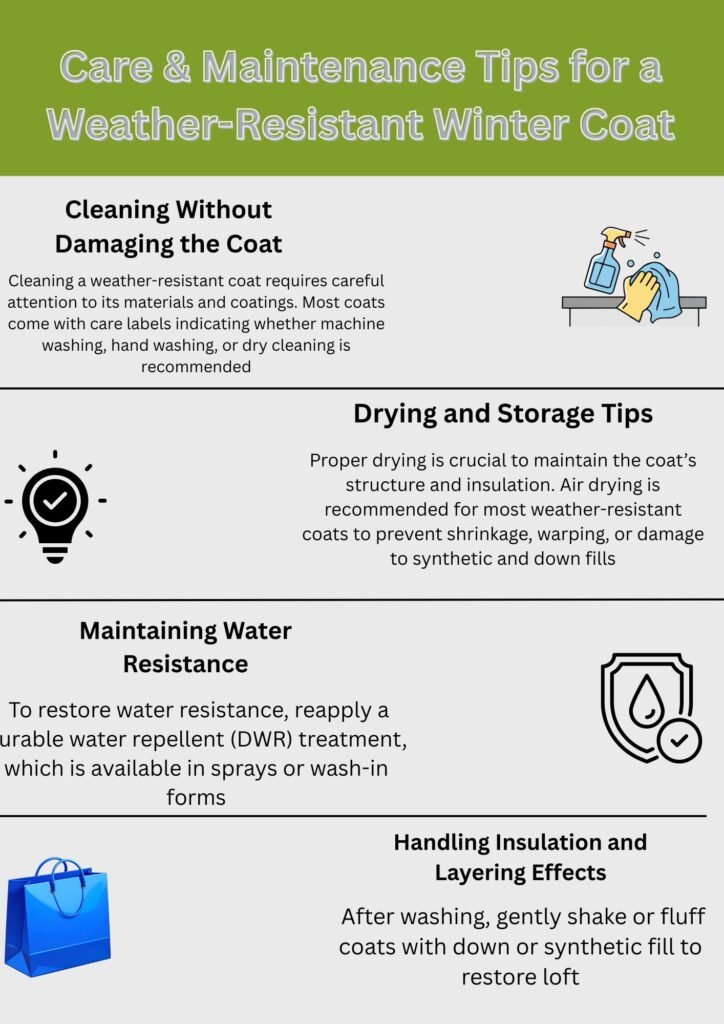
Cleaning Without Damaging the Coat
Cleaning a weather-resistant coat requires careful attention to its materials and coatings. Most coats come with care labels indicating whether machine washing, hand washing, or dry cleaning is recommended. Using mild detergents specifically formulated for technical fabrics is essential, as harsh soaps can degrade water-repellent coatings. If machine washing is allowed, it is usually best to use a gentle cycle with cold water to avoid damaging the fabric or insulation.
Drying and Storage Tips
Proper drying is crucial to maintain the coat’s structure and insulation. Air drying is recommended for most weather-resistant coats to prevent shrinkage, warping, or damage to synthetic and down fills. Avoid high-heat drying, as this can degrade water-repellent finishes and damage insulation fibers. Once dry, store the coat in a cool, dry place on a hanger to maintain its shape and prevent creasing. Avoid compressing the coat for long periods, especially those with down or synthetic insulation, as this can reduce loft and warmth.
Maintaining Water Resistance
Over time, water-repellent coatings on a weather-resistant coat can wear off due to regular use and washing. To restore water resistance, reapply a durable water repellent (DWR) treatment, which is available in sprays or wash-in forms. These treatments revive the coat’s ability to repel moisture without affecting breathability. Regularly checking the coat for worn areas, especially on high-contact zones like sleeves, shoulders, and hems, ensures that protection remains consistent.
Handling Insulation and Layering Effects
Insulation in weather-resistant coats, whether down or synthetic, requires careful handling during cleaning and maintenance. Avoid over-compressing the coat when storing, as this can flatten insulation and reduce warmth. After washing, gently shake or fluff coats with down or synthetic fill to restore loft. If layering additional garments beneath the coat, ensure that zippers, buttons, and closures do not snag or tear the outer fabric, as damage to the shell can compromise the coat’s weather-resistant properties.
Conclusion
A Weather-Resistant Winter Coat delivers balanced winter protection.It shields against wind, rain, and snow effectively.Therefore, comfort remains consistent.These coats support daily movement and style.They suit urban life and travel needs.As a result, they offer excellent value.Choosing the right weather-resistant winter coat ensures warmth, durability, and confidence throughout winter.
FAQs
Is a weather-resistant winter coat good for snow?
Yes, it handles light snow effectively and comfortably.
Can it replace a waterproof coat?
It can for daily wear, but not heavy rain.
How long does weather resistance last?
With care, it lasts several seasons.
Are weather-resistant coats breathable?
Are weather-resistant coats breathable?