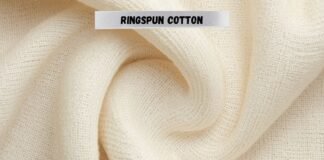
Cashmere wool (Pashmina), Himalayan Grade A, is the ultimate in textile luxury. This fabric is cherished by many for its softness, warmth and elegance. Pashmina Cashmere, which originates from high-altitude Himalayan areas, is not only a sign of refinement and perfection but also a testament of nature’s perfection.
This detailed guide explores the Himalayan (Pashmina Grade A Cashmere) fabric in detail. Everything has been explained, from its origin, production process, to its uses, care and sustainability. To ensure readability and search visibility, the SEO best practices have been used, as well as smooth transition words and passive voice.
What is Himalayan (Pashmina Grade A Cashmere Fabric)?
The ultra-fine fibers from the undercoat of Changthangi goats (Pashmina), which are used to make Himalayan Grade A Pashmina Cashmere, are made into fabric. These goats are raised in high altitudes, above 12,000 feet, throughout the Himalayan region. This includes Ladakh and Nepal as well as parts of Tibet. The extreme cold climate causes the fibers to be exceptionally soft and insulating.
Pashmina is finer, longer and more delicate than cashmere. The fiber diameter is typically below 14 microns. This places the fabric in the Grade A classification. The result is a fabric that feels light and warm, yet still feels feathery.
The Himalayan origins of Pashmina Cashmere
Grade A Pashmina Cashmere has historically been associated with royalty. The fabric was originally reserved for royalty, kings and queens. The word “Pashmina”, which means “soft gold” in Persian, comes from Pashm.
Since centuries, the traditional methods of herding and processing by hand have been maintained. The fibers are gently combed each spring by hand when the goats shed their winter coats. The animals are not harmed and the quality of the fibers is preserved.
What makes Grade A Pashmina Cashmere special?
Due to its superior quality, grade A Himalayan Pashmina Cashmere can be distinguished by several factors. These characteristics set it apart form lower-grade fabrics.
Ultra-Fine Diameter
The fibers are extremely fine and usually less than 14 microns. The fabric is extremely soft to the touch.
Longer Fiber Length
To ensure durability and strength, longer fibers are chosen. The amount of pilling is reduced.
Natural Insulation
The fibers are filled with air pockets that help to trap heat. The result is superior warmth without additional weight.
Rare and Limited Supplies
Each goat can only produce a tiny amount of Grade A Pashmina Cashmere fibre per year. The fabric is therefore rare and exclusive.
How to Make Himalayan Pashmina Cashmere Fabric
Grade A Pashmina Cashmere is produced in multiple steps. To preserve the fiber integrity, each stage is carefully handled.
Step 1: Ethical fiber collection
Skilled herders gently brush the fibers from goats during spring molting. The goats do not suffer any harm because the shedding is natural.
Step 2: Sorting & Cleaning
After collection, the fibers are sorted carefully by hand. The coarse hairs are removed and only the softest fibers of the undercoat are left. Impurities are then washed off using cold water.
Step 3: Spinning
After drying, the fibers can be spun into yarn by using either traditional spinning wheels or low-tension modern methods. Softness and elasticity of the fibers are therefore maintained.
Step 4: Weaving and Knitting
The yarn is then woven or knitted to fabric. Hand-weaving continues to be practiced in many areas, giving the finished product an artisanal touch.
Cashmere fabric of Himalayan grade A: Key characteristics
This fabric stands out on the market for luxury textiles because of its many qualities.

Softness Exceptional
The ultra-fine fibres used in the fabric prevent irritation. Its smoothness is beneficial to even sensitive skin.
Lightweight and Warm
The fabric provides outstanding insulation despite its light weight. It is therefore ideal for cold climates.
Breathability
The fibers regulate moisture naturally. The result is that comfort can be maintained at varying temperatures.
Long-lasting Quality
Grade A Pashmina Cashmere can last for many decades if properly cared for. It often gets softer with time.
Himalayan Pashmina Cashmere Fabric: Popular Uses
Cashmere Himalayan Grade A Pashmina is used in the fashion and lifestyle industry for its luxurious qualities.
Shawls & Stoles
Pashmina Shawls have been used for centuries in the most traditional way. The shawls are worn to provide warmth, elegance and cultural significance.
Scarves and wraps
Worldwide, lightweight scarves made of Pashmina Cashmere are very popular. These scarves are versatile and can be worn all year round.
Luxury Apparel
This fabric is used to create sweaters, cardigans and coats for high-end fashion collections.
Home textiles
Grade A Pashmina Cashmere blankets and throws are made of Pashmina and add warmth and sophistication to any interior.
Why Himalayan Climate Produces Superior Cashmere
The Himalayan climate is harsh and plays an important role in the development of fibers. In winter temperatures are well below freezing. To survive, goats develop dense, fine undercoats.
This adaptation makes the fibers produced in climates with milder temperatures stronger, warmer and softer.
Sustainable and ethical value of Pashmina Cashmere
Modern fashion is becoming more and more concerned with sustainability. Cashmere from the Himalayan Pashmina aligns with ethical principles.
Low Environmental Impact
Herding is done according to traditional methods. Overgrazing is therefore minimized.
Animal Welfare
Animals are treated with compassion because fibers are combed when they shed naturally.
Support Local Communities
Pashmina is a vital source of income for artisans and herders. In this way, the cultural heritage of Pashmina is preserved.
What is Genuine Grade A Pashmina cashmere?
Due to its high value, counterfeit products are very common. Authenticity can be confirmed by several indicators.
- The fabric is extremely soft and warm
- The fibers are uniform and fine.
- Labels that mention the fiber micron count
- Certified sellers disclose origin details
If the price appears unusually low, it is worth questioning its authenticity.
How to Care for Himalayan Pashmina Cashmere fabric
Maintaining beauty for a long time requires proper care.

Washing
It is best to wash your hands with cold water. Use a mild detergent and avoid wringing.
Drying
It is best to lay the fabric flat and let it dry. The fabric should not be hung up to dry, as it may stretch.
Stores
Grade A Pashmina Cashmere can be stored in bags made of breathable cotton. Cedar or lavender are also effective in preventing moths.
Style Tips for Pashmina Cashmere
Grade A Pashmina Cashmere made from Himalayan Pashmina offers endless styling options.
- Draped over formal wear for elegance
- Pair with winter coats to layer up for the colder months
- Use as a travel blanket for comfort
- Style casually with jeans and boots
It is versatile enough to suit both traditional and modern looks.
Cashmere Grade A – Investment Value
Cashmere of Grade A Pashmina is expensive but considered to be a good investment. It is not as flimsy as synthetic materials. It becomes a wardrobe staple.
Its durability will ensure value for many years.
Cashmere from Himalayan Pashmina
Grade A Pashmina Cashmere from the Himalayas is sought after by luxury brands in Europe, Asia and North America. Demand is always higher than supply due to the limited availability. The fabric is therefore prestigious and exclusive.
The Myths of Pashmina Cashmere
There are a few misconceptions that need to be addressed.
- Myth All Cashmere is Pashmina
FACT Only Himalayan goat fibre qualifies for Pashmina - Fact: Grade-A cashmere can be durable with proper care. Myth The fragility of cashmere Myth Fact The durability of grade A Cashmere when properly maintained.
- Fact : Lightweight versions of the pashmina are suitable all year round. Myth : Pashminas only belong to winter Myth : Pashminas are for winter only Myth : Pashminas can be worn throughout the year.
Cashmere fabric from Himalayan grade A – the future
Grade A Pashmina Cashmere made from Himalayan Pashmina is expected to grow in popularity as consumers move towards sustainable luxury. The introduction of innovations in ethical sourcing, artisan support and product development is underway. Its future therefore appears to be both promising and responsible.
Final Thoughts
Grade A Pashmina Cashmere from Himalaya represents the ultimate in natural luxury. Its softness, durability and timeless appeal are unsurpassed.
This fabric is a winner in every way, whether you choose it for its fashion, comfort or heritage value.Grade A Pashmina Cashmere is more than just a fabric. It is an experience in elegance, tradition and lasting quality.
FAQs
What is Himalayan (Pashmina) Grade A Cashmere Fabric?
Grade A Pashmina Cashmere fabric is made from ultra-fine undercoat fibers of Changthangi goats raised in high-altitude Himalayan regions. These fibers are exceptionally soft, warm, and rare, making the fabric a luxury textile.
How is Pashmina different from regular cashmere?
Grade A Pashmina Cashmere has a finer fiber diameter, usually below 14 microns, while regular cashmere is thicker. As a result, Pashmina is softer, lighter, and warmer than standard cashmere.
Why is Himalayan Pashmina considered Grade A?
Grade A classification is given because the fibers are extremely fine, long, and uniform. Additionally, fewer coarse hairs are present, which improves softness, durability, and overall fabric quality.