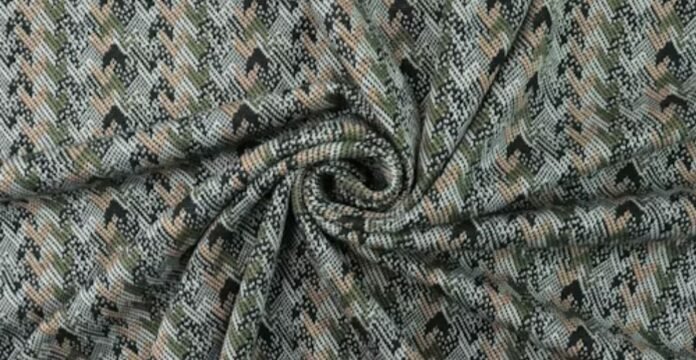
Is Herringbone Wool Worth It? This is the question that is posed by many shoppers before they purchase wool garments. Herringbone wool appears posh and classy. Nevertheless, it is usually expensive compared to plain wool fabrics. Due to that, individuals need to know whether it is really a value addition process.
The herringbone wool has a special pattern of weaving. This trend contributes to power and visuality. Meanwhile, it also increases the coziness and longevity. An array of coats and suits and jackets are made with this fabric. Nevertheless, the buyers are afraid of price and care requirements. In such a way, it is fundamental to know its actual advantages in order to invest.
History of Herringbone Wool
Herringbone wool has a long and rich history that stretches back thousands of years. Early civilizations discovered that weaving wool in alternating diagonal lines created stronger and more durable fabric. This simple innovation improved resistance to wear and tear. As a result, the herringbone pattern quickly became valued for both function and strength rather than decoration alone.
Archaeological findings suggest that similar weaving techniques appeared in ancient Roman textiles. Roman soldiers wore garments made with this structure because it provided flexibility and endurance. The fabric performed well during long marches and harsh conditions. Because of this reliability, the herringbone pattern became associated with practicality and resilience from an early stage.
During the Middle Ages, herringbone wool spread widely across Europe. Wool production increased significantly in colder regions where sheep farming thrived. Weavers in Scotland and Ireland refined the technique further. They used local wool to create heavy, weather-resistant cloth. This fabric protected rural communities from wind, rain, and cold. Over time, herringbone wool became an essential part of everyday life in these regions.
In the nineteenth century, herringbone wool gained wider recognition through tweed. British estates adopted tweed herringbone for outdoor clothing. Hunters and landowners valued the fabric for its warmth, durability, and natural camouflage. During this period, herringbone wool became a symbol of heritage, tradition, and countryside elegance. Its association with classic British style grew stronger.
As tailoring evolved, herringbone wool moved into formal menswear. Tailors appreciated how well the fabric held its shape. Suits, jackets, and overcoats benefited from its structure and drape. By the early twentieth century, herringbone wool suits became common among professionals. The pattern added texture without appearing bold, which made it ideal for formal settings.
What Is Herringbone Wool?
Definition of Herringbone Wool.
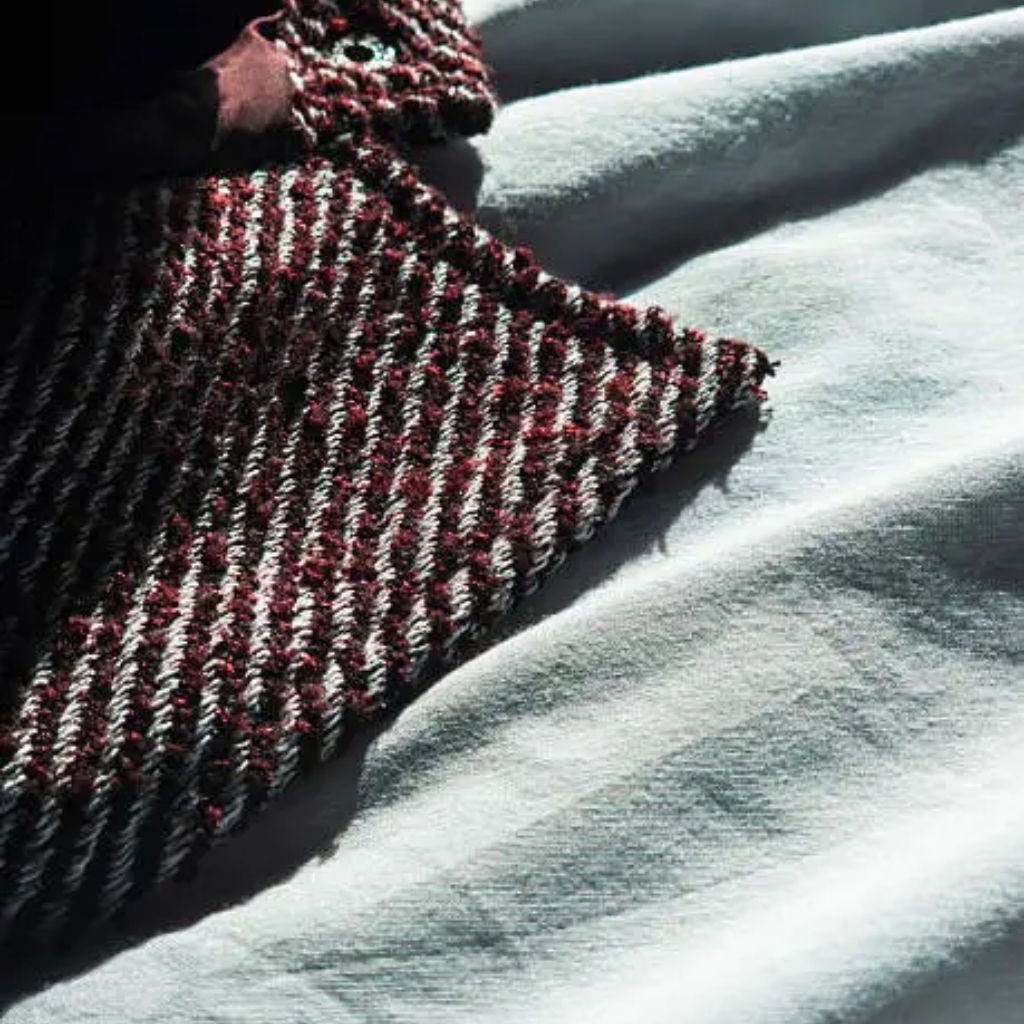
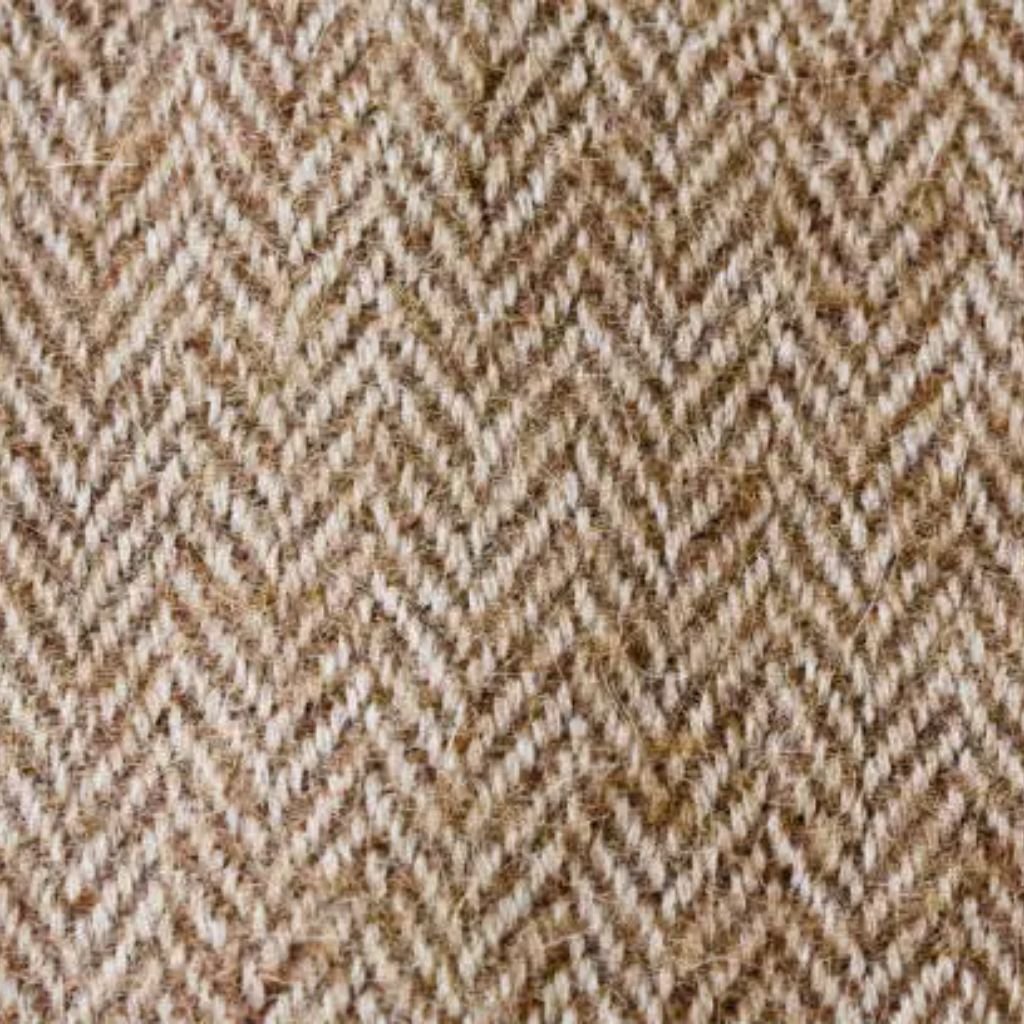
The Herringbone wool is a broken zigzag pattern of wool. The design looks like fish bones. It is due to this that it is referred to as herringbone. It is a wool fabric pattern that adds subtly to the texture and is not loud.
Herringbone Weave vs Simple Wool.
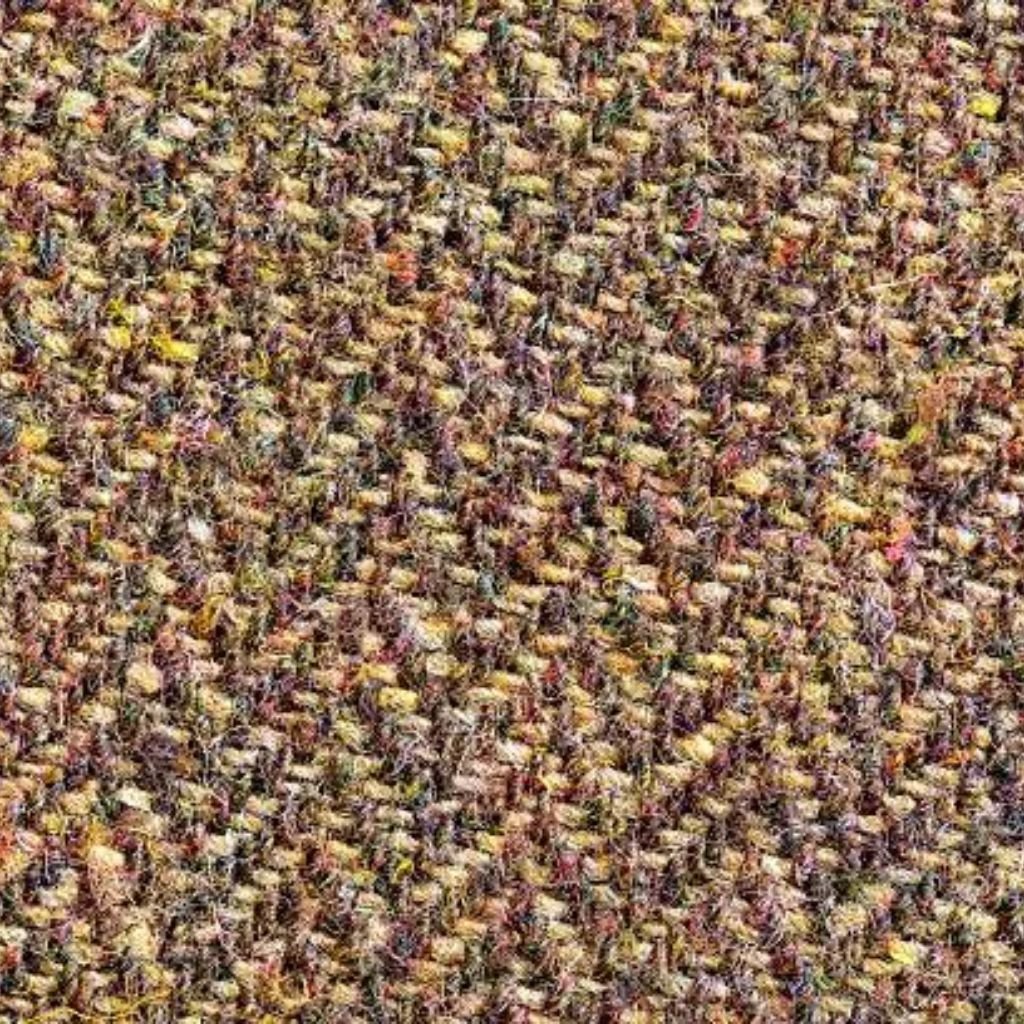
Plain wool incorporates a plain, direct weave. On the contrary, herringbone weave leans both ways. This effect reinforces the material. It also enhances the drape resistance and wrinkle resistance. Consequently, herringbone wool is more structured as compared to plain wool.
Origins and Traditional Use
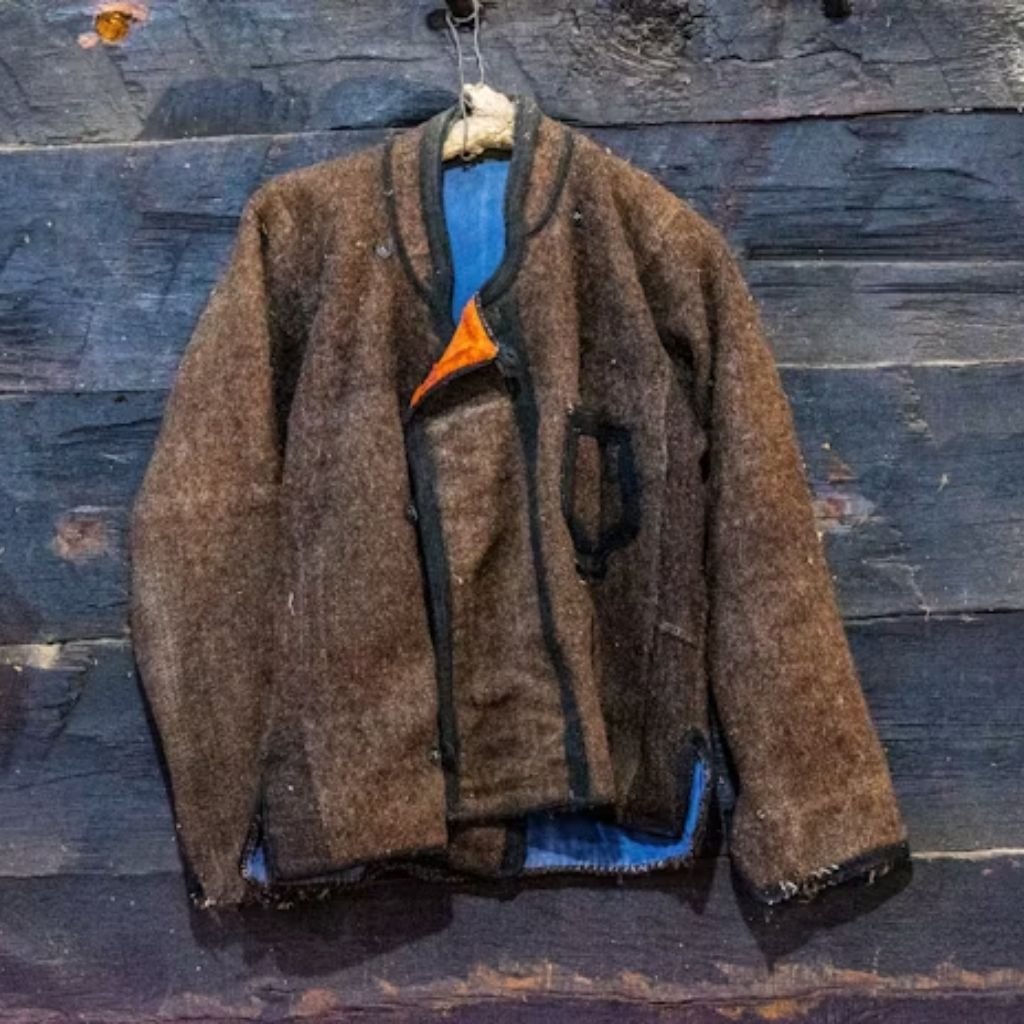
The herringbone wool was invented in Europe. Menswear and outerwear Tailors used it. Tweed herringbone was used as a country attire. It was later shifted into formal tailoring. The designers today continue to use it as a source of eternal clothes.
How Is Herringbone Wool Made?
The Weaving Process The Simple Explanation.
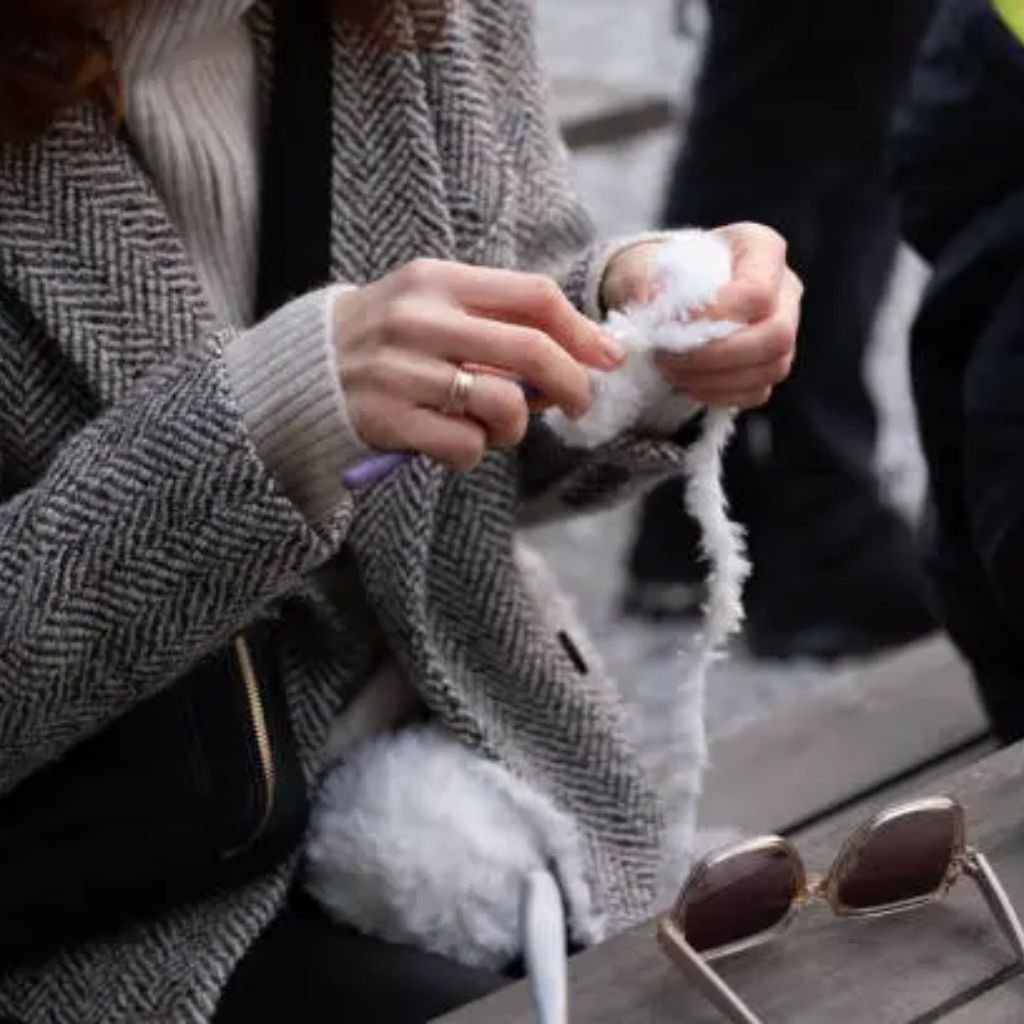
Herringbone wool is made out of natural wool. These strands are twisted into a thread. Yarns are then placed by weavers in diagonal rows. Such approach forms the typical V-shaped pattern.

The reason why the V-shaped Pattern enhances Durability.
The interweaving structure binds the threads. Due to this fact, the cloth does not stretch and tear. The weave is evenly interspersed with stress. As such, clothes are durable and retain their form.
Wool used in Herringbone Fabric.
There are a number of wool types that are used by manufacturers. Merino wool is soft and breathable. Lambswool is a warmer with reduced weight. Tweed wool is rough and conservative. Both of the types influence the comfort and appearance in different ways.
The main Advantages of Herringbone Wool.
Durability and Longevity
Herringbone wool is one that is very durable. The close mesh prevents the damage of fibers. Due to this reason, clothing remains in shape over a period of years. The fabric does not easily become weak due to frequent wearing.
When the cost per wear is brought down, it becomes extremely appealing. A single quality coat can be used over a period of decades. Thus, customers save money in the long-term. This goes a long way towards justifying herringbone wool as something worth it.

Warmth and Insulation
Herringbone wool traps air in-between strands. This natural insulation is availed by this trapped air. Consequently, the fabric will make the body warm during cold weather. Meanwhile, it is not too bulky.
The fibers of wool are natural regulators of the temperature. Herringbone wool is thus very comfortable to the wearers even during the day.

Breathability and Comfort
Herringbone wool is breathable even though it is warm. Fibres of wool permit escaping moisture. This helps to avoid overheating and sweating.
The herringbone wool is of very high quality and it does not feel coarse to skin. Particularly in merino mixes, irritation remains low. Long wear is also stable in comfort.
Classic and Beauty of Design.
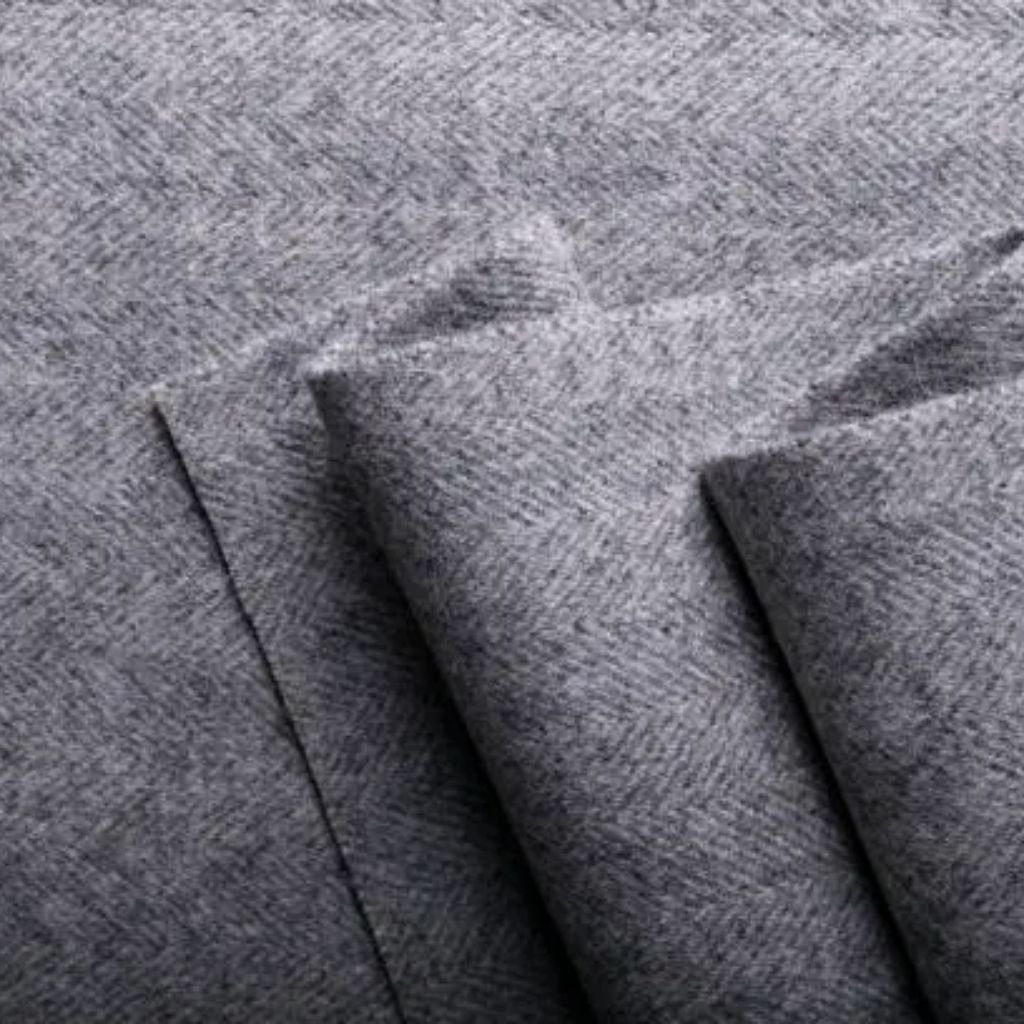
Herringbone wool never becomes out of fashion. The trend is traditional but contemporary. It is effective in the work and informal environment.
Wardrobes are also an advantage due to this versatility. A single garment is appropriate on numerous occasions. This durability of the style adds up to value.

Herringbone Wool Disadvantages.
Possible to Absorbing Climates.
Sometimes herringbone wool is heavier than plain wool. The dense weave adds weight. Hence, it might not be comfortable in hot areas.
More Expensive than Artificial Clothes.
Herringbone wool is more expensive than synthetic one. Natural fibers elevate the cost of production. Quality weaving also increases the prices.
Needs Thorough Care.
Wool fibers are destroyed through improper washing. Numerous clothes need to be dry cleaned. Storage should also be taken care of. Nevertheless, prudent attention is an guarantee of prolongation of life.
Is Herringbone Wool Expensive to Various Uses?
Wool Coats and Overcoats Herringbone Wool.
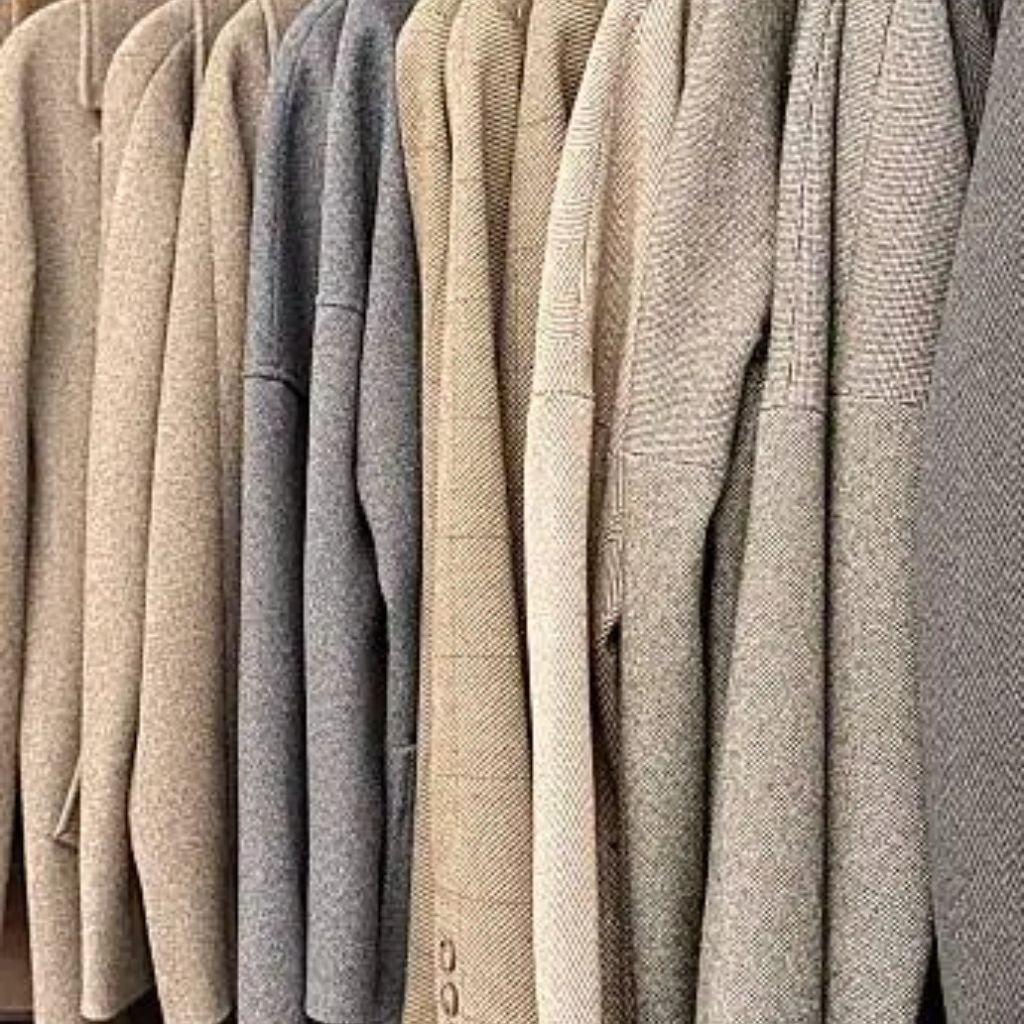
Herringbone is very good in outerwear. The building offers coziness and safety. Coats are beautiful in keeping their shape.
The pattern is very deep without excessive design. As such, coats appear elegant and classic.
Herringbone Suit Wool and Blazer.
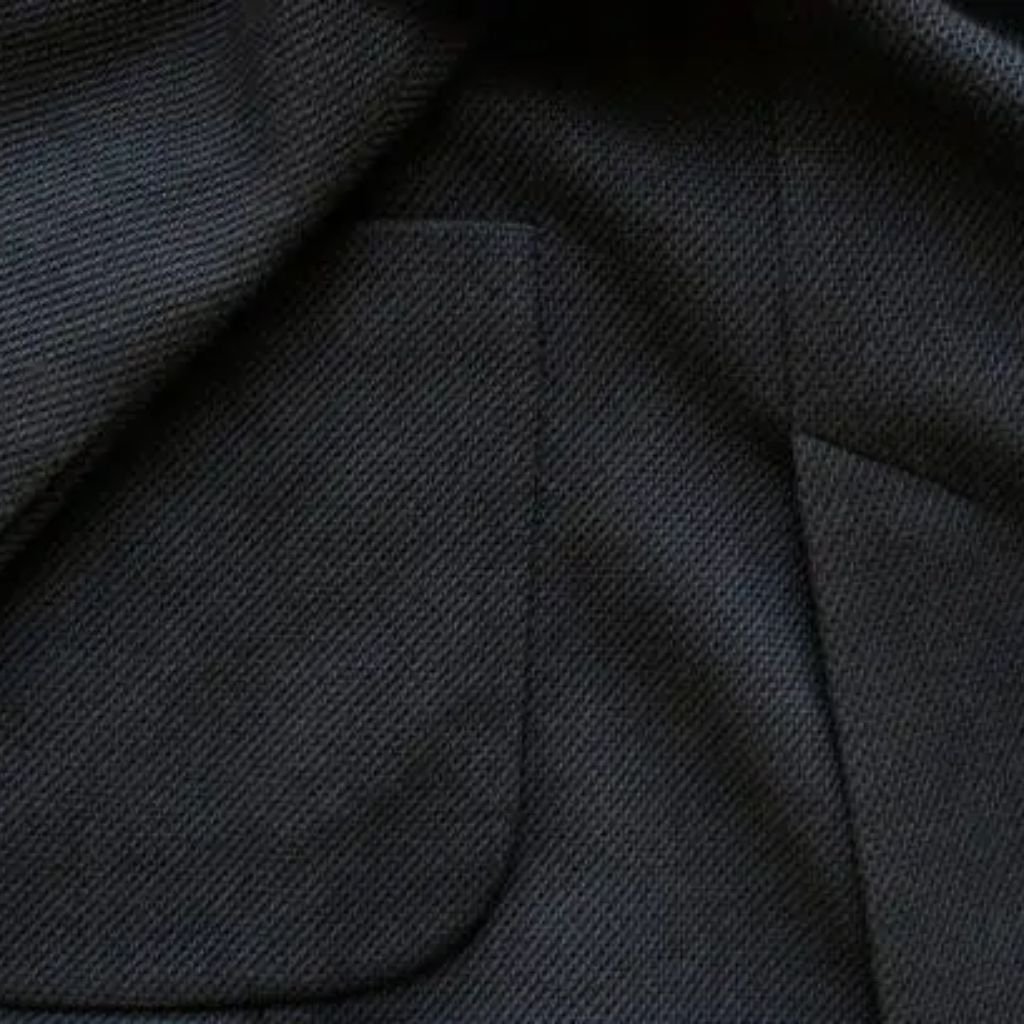
Herringbone wool is preferred by tailors in suits. The material is loose-fitting and does not wrinkle. This brings about a sharp look.
Blazers are got to texturize, yet they are professional. This fabric is therefore chosen by a lot of offices.
Trousers and Skirts Herringbone Wool.
Herringbone wool trousers are comfortable. They retain cracks well. This enhances appearance in the long term.
The good thing about skirts is that they are warm and structured. Hence, they perform better during the cold seasons.
Casual vs Formal Styling
Herringbone wool is easily adjustable. Formal attire should be in neutral colors. The lighter colors are more appropriate to casual clothing. This flexibility makes it more used.
Types of Herringbone Wool
Herringbone wool comes in several types. Each type differs in texture, weight, and overall feel. Understanding these variations helps buyers choose the right fabric. This section explains the most common types of herringbone wool and their best uses.
Merino Herringbone Wool
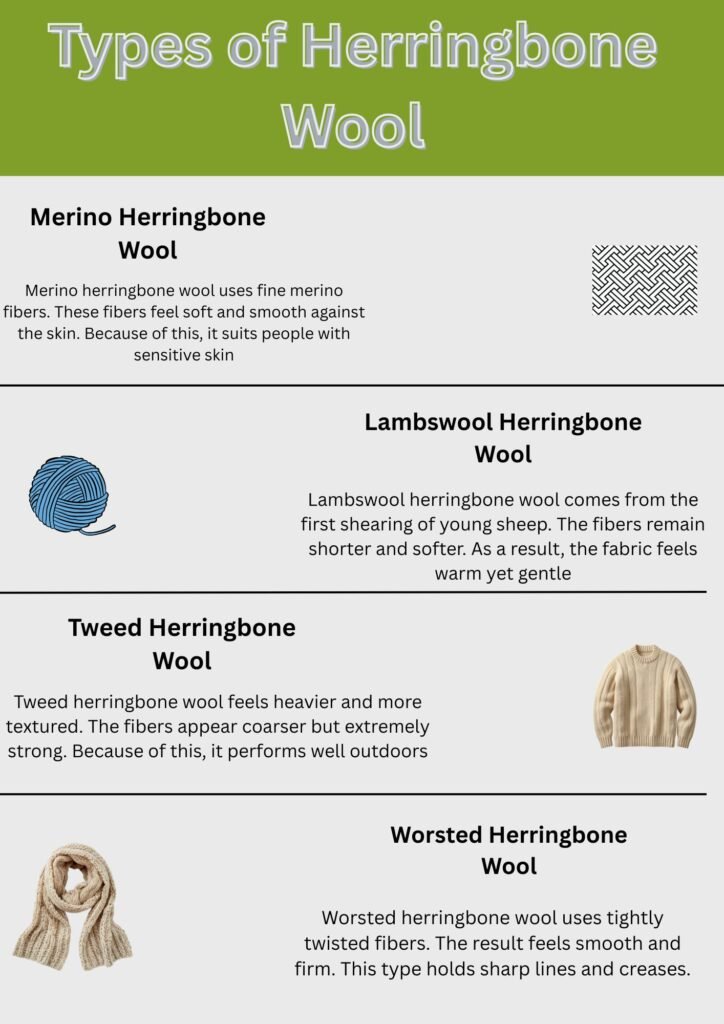
Merino herringbone wool uses fine merino fibers. These fibers feel soft and smooth against the skin. Because of this, it suits people with sensitive skin.
Merino herringbone wool also offers excellent breathability. It regulates body temperature effectively. Therefore, it works well for suits, blazers, and lightweight coats. This type feels refined and luxurious.
Lambswool Herringbone Wool
Lambswool herringbone wool comes from the first shearing of young sheep. The fibers remain shorter and softer. As a result, the fabric feels warm yet gentle.
This type provides excellent insulation. It suits winter coats and scarves perfectly. Lambswool herringbone wool balances comfort and durability very well.
Tweed Herringbone Wool
Tweed herringbone wool feels heavier and more textured. The fibers appear coarser but extremely strong. Because of this, it performs well outdoors.
Traditionally, this type served countryside wear. Today, it appears in jackets and overcoats. Tweed herringbone wool offers a rugged, classic look.
Worsted Herringbone Wool
Worsted herringbone wool uses tightly twisted fibers. The result feels smooth and firm. This type holds sharp lines and creases.
Because of its structure, worsted herringbone wool suits formal suits and tailored blazers. It looks polished and professional throughout the day.
Herringbone Wool vs Other Wool Fabrics
Herringbone Wool vs Tweed
Tweed feels rougher and heavier. Herringbone wool looks more refined. Therefore, herringbone suits urban environments better.
Herringbone Wool vs Flannel
Flannel feels soft initially. However, it pills faster. Herringbone wool lasts longer and keeps structure.
Herringbone Wool vs Plain Wool
Plain wool lacks texture. Herringbone wool adds visual interest. It also offers better durability.
Herringbone Wool vs Synthetic Blends
Synthetic blends cost less. However, they lack breathability. Herringbone wool performs better over time.
Is Herringbone Wool Worth the Price?
Prices vary by quality and brand. Entry-level pieces cost moderately. Premium garments cost more.
Wool quality, origin, and weave density affect cost. Expensive does not always mean better. Mid-range options often deliver excellent value.
How Long Does Herringbone Wool Last?
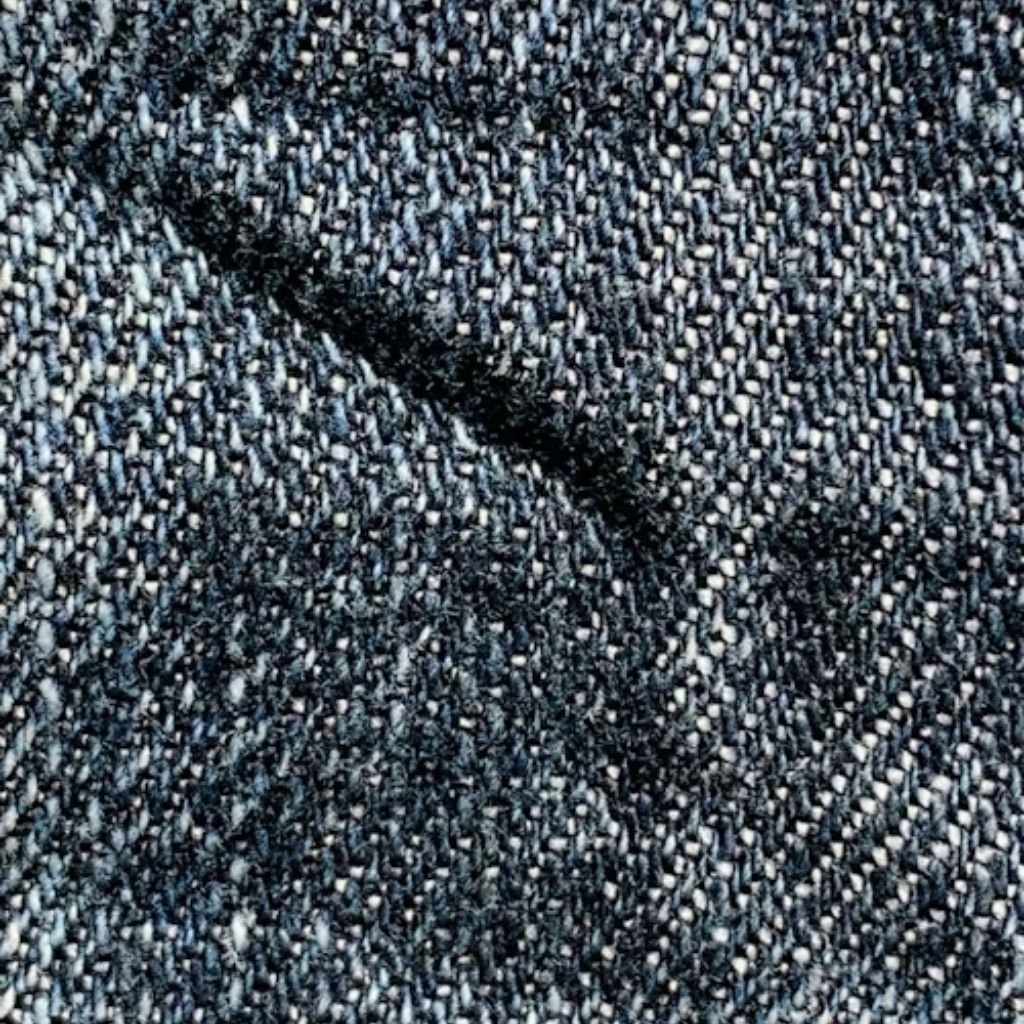
With proper care, herringbone wool lasts decades. The weave resists abrasion effectively. Garments age gracefully.
This longevity supports sustainable fashion. Fewer replacements reduce waste. Therefore, herringbone wool benefits the environment.
Does Herringbone Wool Feel Itchy or Heavy?
Some people worry about itchiness. Coarse wool causes irritation. Fine wool feels soft and smooth.
Merino and lambswool reduce discomfort greatly. Choosing lined garments also improves comfort.
Who Should Buy Herringbone Wool?
Herringbone wool is not a fabric for everyone. However, it suits many lifestyles perfectly. Understanding who benefits most helps buyers make confident decisions. This section explains exactly who should invest in herringbone wool and why it works so well for them.
People Living in Cold and Temperate Climates
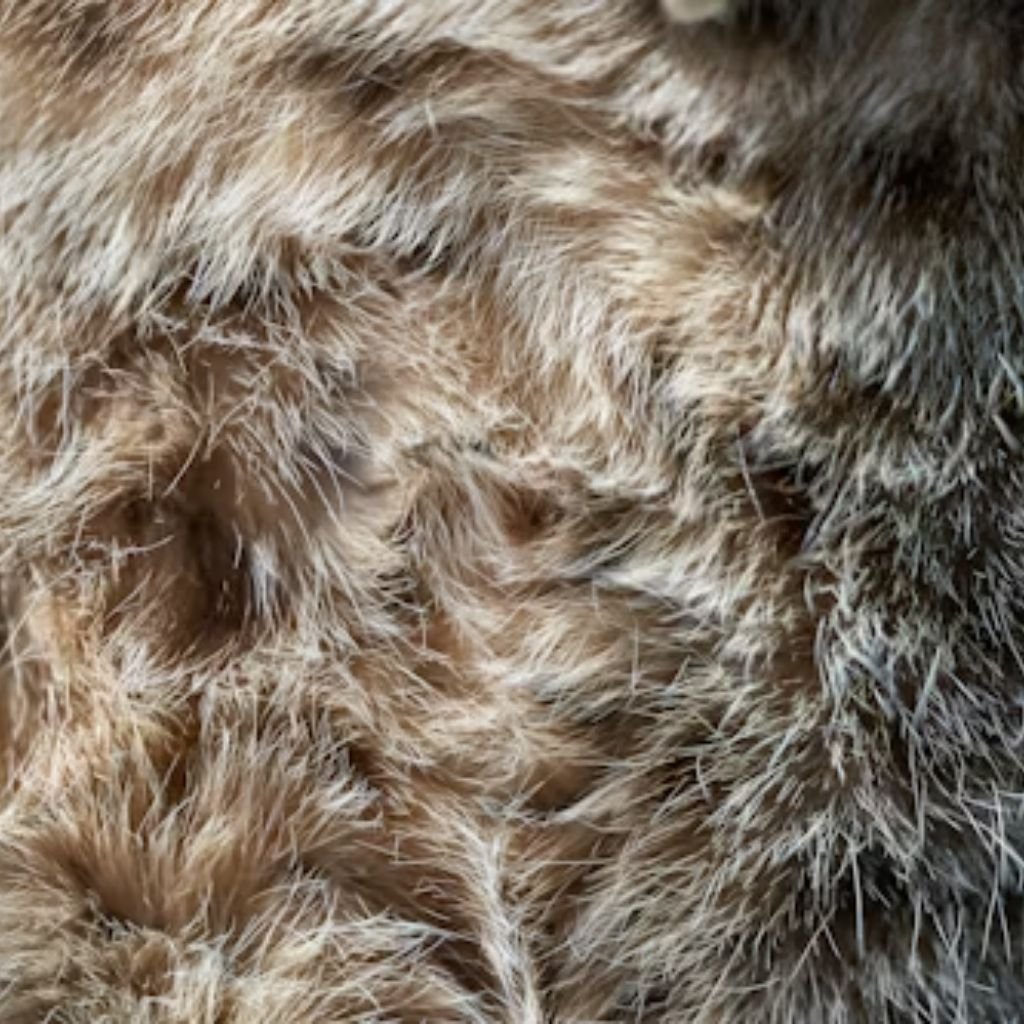
Herringbone wool works best in cooler regions. The dense weave traps warm air effectively. As a result, it provides excellent insulation during winter months. People living in cold or temperate climates benefit the most from this feature.
At the same time, wool regulates body temperature naturally. Therefore, wearers stay warm without overheating. This balance makes herringbone wool ideal for long outdoor wear. Especially in autumn and winter, it performs exceptionally well.
Professionals Who Prefer a Polished Look
Herringbone wool suits professionals who value sharp dressing. The fabric holds structure and shape very well. Because of this, coats, blazers, and suits look refined throughout the day.
The pattern adds subtle texture without appearing flashy. As a result, it fits formal workplaces easily. Lawyers, executives, and office professionals often choose herringbone wool. It communicates confidence, tradition, and reliability.
Minimalists Who Value Long-Term Quality
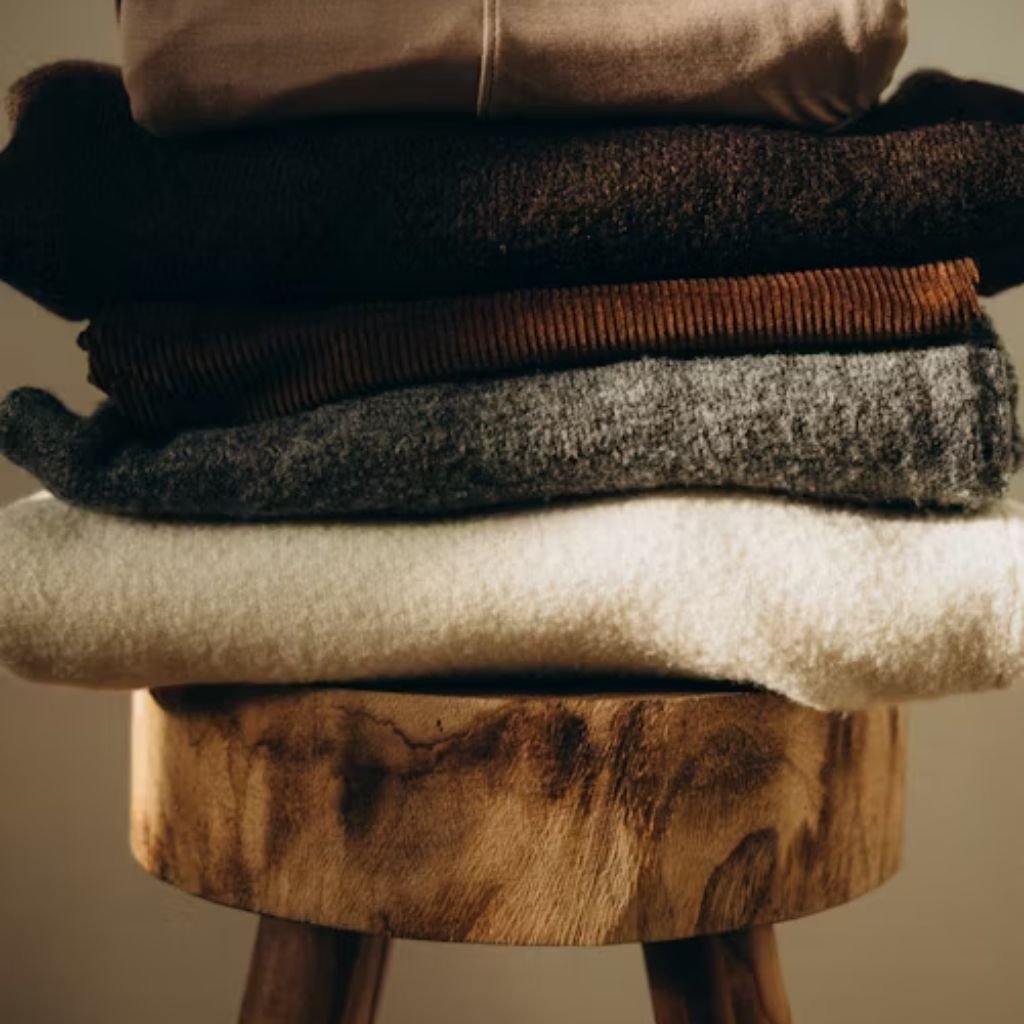
Minimalists often prefer fewer but better garments. Herringbone wool aligns perfectly with this mindset. One high-quality piece can last many years. Therefore, wardrobes stay simple and functional.
Because the style remains timeless, trends do not affect it. Buyers do not need frequent replacements. This long lifespan makes herringbone wool a smart minimalist choice.
Is Herringbone Wool Worth It? Final Verdict
After exploring every aspect of this fabric, one question remains. Is Herringbone Wool Worth It? The answer becomes clear when we consider durability, comfort, style, and long-term value together. While the price may seem high initially, the overall benefits strongly support the investment.
A Balanced View of Quality and Performance
Herringbone wool delivers consistent performance across multiple areas. The fabric offers warmth without excessive bulk. At the same time, it remains breathable throughout the day. Because of this balance, wearers stay comfortable in changing conditions.
The woven structure adds strength and stability. As a result, garments hold their shape longer. This reliability separates herringbone wool from many cheaper alternatives. Therefore, buyers receive dependable quality with every wear.
Long-Term Value Over Short-Term Savings
Many shoppers focus on upfront cost. However, long-term value matters more. Herringbone wool lasts for years with proper care. Because of this, replacement costs decrease significantly.
Cost-per-wear becomes very reasonable over time. One well-made coat can outlast several lower-quality jackets. Therefore, spending more once often saves money later. This makes herringbone wool a financially smart decision.
Style That Stands the Test of Time
Fashion trends change quickly. However, herringbone wool remains timeless. The classic V-shaped pattern never looks outdated. It fits both traditional and modern wardrobes.
Because of this, garments stay relevant season after season. Buyers do not feel pressured to replace them. This style longevity adds strong value to the investment.
Comfort That Improves With Use
High-quality herringbone wool often becomes softer over time. The fibers relax with wear. As a result, comfort improves rather than declines.
Unlike synthetic fabrics, wool adapts to the body. It regulates temperature naturally. Therefore, wearers enjoy consistent comfort throughout the day.
Honest Consideration of the Drawbacks
Herringbone wool is not perfect. The fabric can feel heavy in mild climates. It also requires careful maintenance. Dry cleaning may be necessary for some garments.
However, these drawbacks remain manageable. With proper care and suitable climate use, the benefits clearly outweigh the disadvantages. Understanding this balance helps buyers make informed decisions.
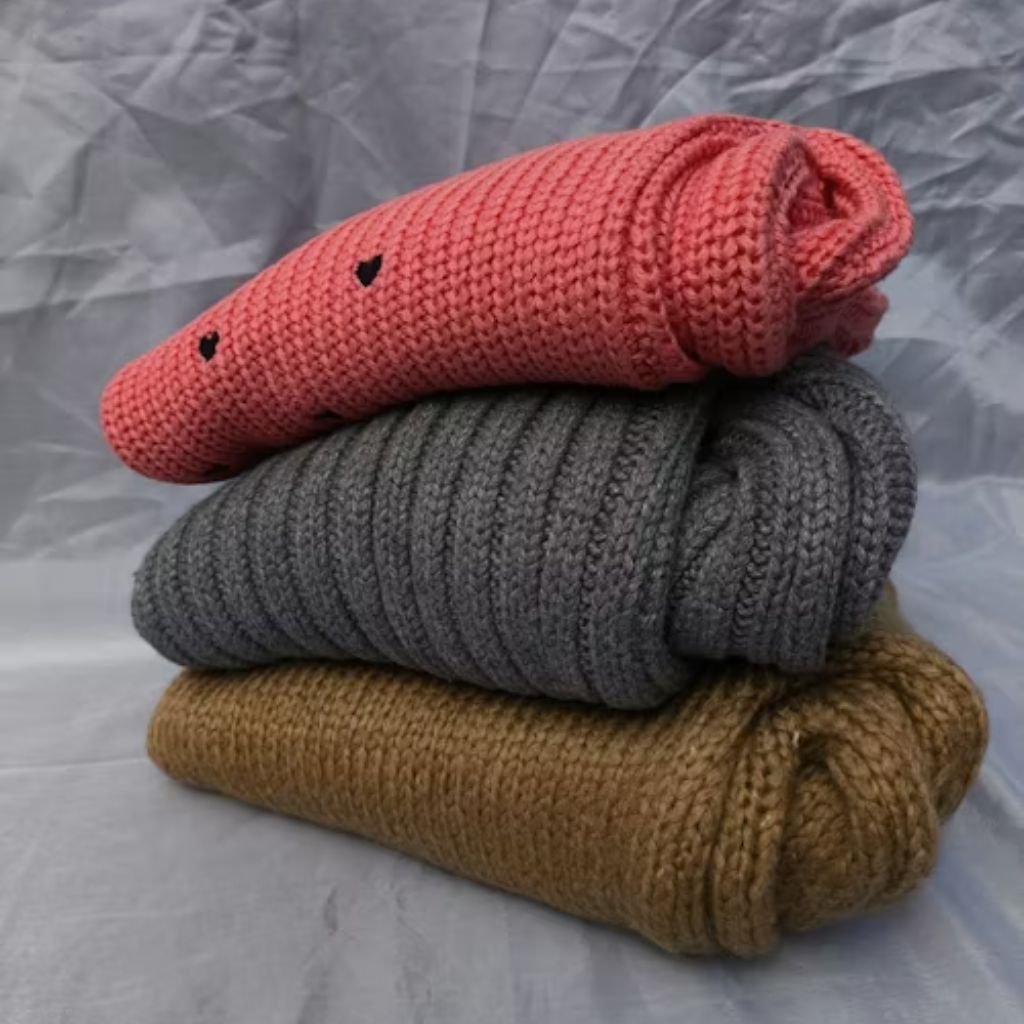
How to Care for Herringbone Wool Properly
Proper care keeps herringbone wool looking elegant for years. Although the fabric feels durable, it still needs attention. When cared for correctly, herringbone wool maintains its shape, softness, and strength. This section explains how to clean, store, and protect your garments effectively.
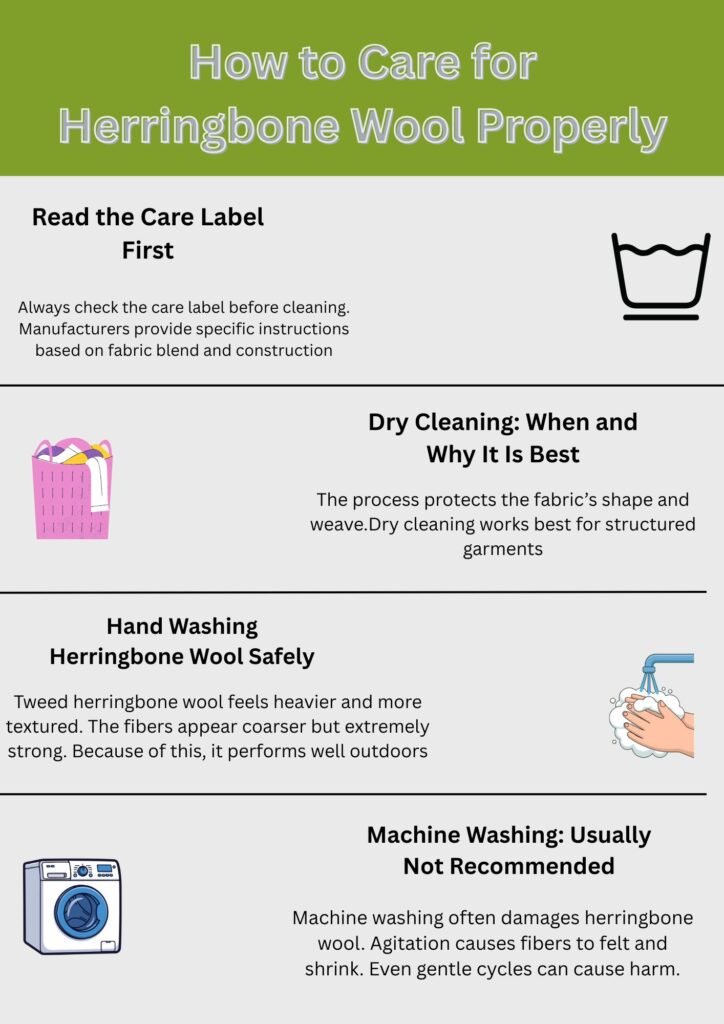
Read the Care Label First
Always check the care label before cleaning. Manufacturers provide specific instructions based on fabric blend and construction. Some garments require dry cleaning only. Others allow gentle hand washing.
Ignoring the label can damage fibers permanently. Therefore, following these instructions prevents shrinkage and distortion. This simple step protects your investment.
Dry Cleaning: When and Why It Is Best
Dry cleaning works best for structured garments. Coats, blazers, and suits often require professional cleaning. The process protects the fabric’s shape and weave.
Frequent dry cleaning is unnecessary. Cleaning once or twice per season usually works well. Over-cleaning weakens wool fibers. Therefore, clean only when needed.
Hand Washing Herringbone Wool Safely
Some herringbone wool garments allow hand washing. Use cold water and mild wool detergent. Avoid regular detergents because they strip natural oils.
Gently press the fabric instead of rubbing. Rinsing should remain gentle as well. After washing, remove excess water carefully. Never twist or wring the fabric.
Machine Washing: Usually Not Recommended
Machine washing often damages herringbone wool. Agitation causes fibers to felt and shrink. Even gentle cycles can cause harm.
conclusion
In conclusion, herringbone wool is a fabric that truly stands the test of time. Its durability, warmth, and timeless style make it an excellent investment for those who value quality and long-lasting clothing. Although it may cost more initially, the strong weave ensures garments maintain their shape and appearance for many years, providing excellent cost-per-wear value.
The fabric’s natural breathability and comfort make it ideal for cooler climates, while its classic V-shaped pattern adds subtle elegance to both casual and formal outfits. Proper care, including gentle cleaning and careful storage, allows herringbone wool pieces to last for decades, making them not only a stylish choice but also a sustainable one.
FAQs
Is herringbone wool good for winter?
Yes, herringbone wool is excellent for winter. Its dense weave traps heat effectively while remaining breathable. This keeps the body warm without feeling bulky. Heavy coats, blazers, and scarves made from herringbone wool are ideal for cold climates.
Is herringbone wool durable?
Absolutely. The V-shaped weave strengthens the fabric and resists wear and tear. With proper care, garments can last for decades. This durability makes herringbone wool a smart long-term investment compared to cheaper fabrics.
Does herringbone wool go out of style?
No, herringbone wool has a timeless appeal. The classic zigzag pattern remains elegant across decades. It works for both formal and casual wear, ensuring garments stay stylish regardless of changing fashion trends.