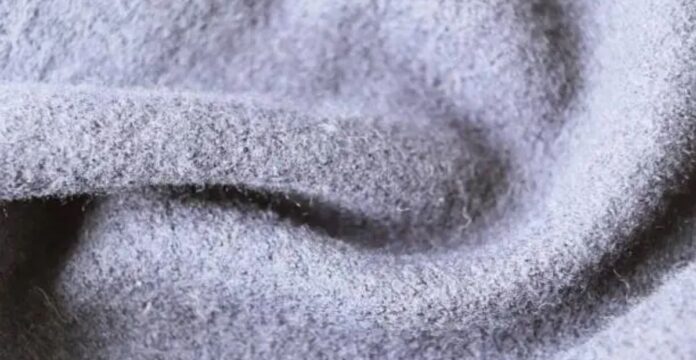
High-Density Wool Fabric is a premium type of wool known for its exceptional warmth and durability. This fabric stands out from regular wool due to its tightly packed fibers, which offer superior insulation and natural wind resistance. When winter temperatures drop, this fabric provides comfort without excessive layering, making it ideal for coats, jackets, blazers, and winter trousers. Moreover, high-density wool maintains its shape and structure over time, which makes it a reliable choice for garments that undergo frequent wear. Its versatility in both fashion and practical applications has made it a staple in cold-weather wardrobes.
High-density wool differs from regular wool because it is engineered to retain heat more efficiently. Its tightly woven or compacted fibers limit heat loss while allowing just enough breathability to prevent overheating. Additionally, it is naturally odor-resistant and moisture-wicking, making it comfortable for extended use even in harsh winter climates. With the combination of performance, durability, and eco-friendliness, high-density wool has become a top choice for those seeking quality winter fabrics.
History of High-Density Wool Fabric
The story of high-density wool fabric begins centuries ago, rooted in the evolution of textile techniques and the human need for warmth. Wool has been used as a primary material for clothing since ancient civilizations, with early societies in Mesopotamia, Egypt, and Europe relying on it for protection against harsh climates. The earliest wool garments were hand-spun and loosely woven, providing basic insulation but lacking the structural density and durability seen in modern high-density fabrics. Over time, as weaving and knitting techniques advanced, artisans discovered ways to produce wool that was more tightly constructed, offering greater warmth and longevity.
How High-Density Wool Fabric Is Made
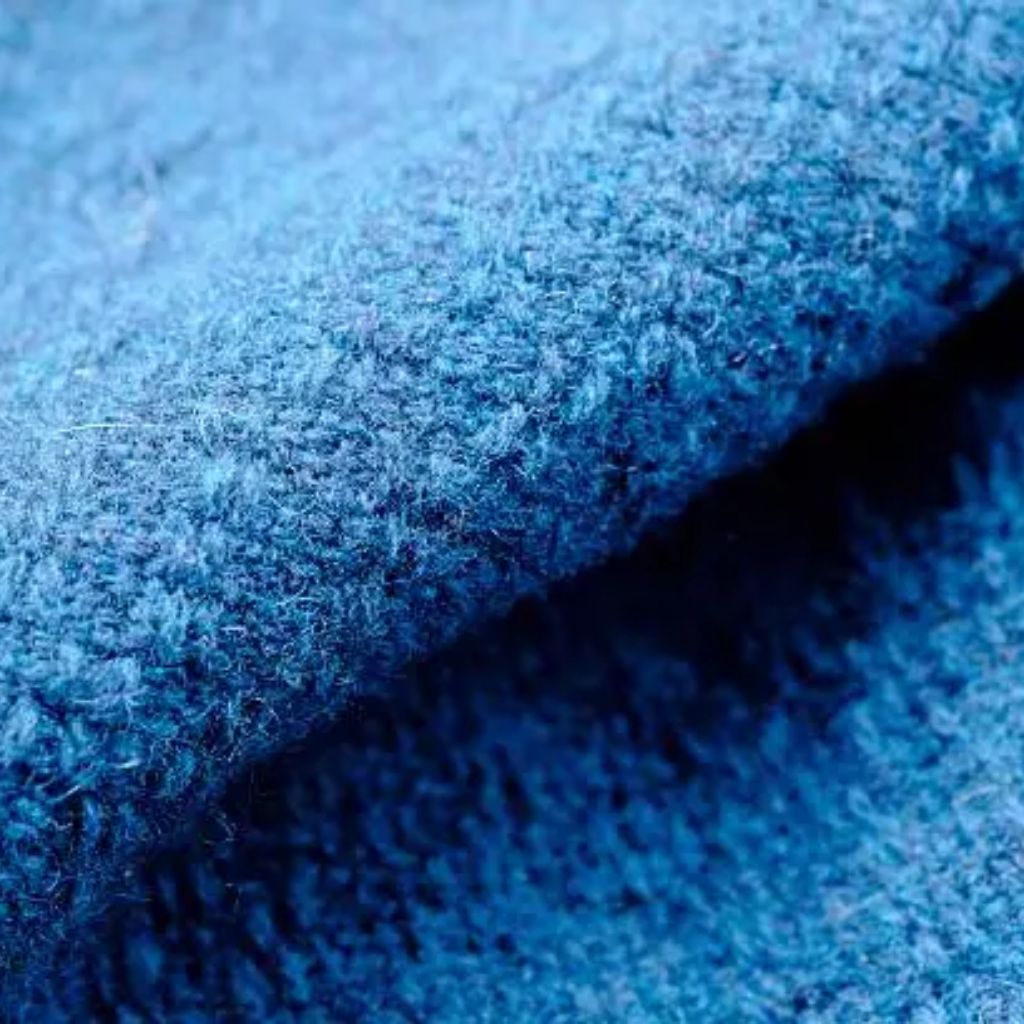
The creation of high-density wool fabric begins with the careful selection of quality wool fibers. Wool from Merino, Shetland, or recycled sources is commonly used. Merino wool provides fine, soft fibers that ensure comfort against the skin. Shetland wool, being coarser, adds strength and thermal insulation, while recycled wool contributes to sustainability without compromising density.
The method of fabric construction is crucial to achieving high density. Weaving involves interlacing warp and weft threads tightly, resulting in a fabric that is both strong and insulating. Felting uses heat, moisture, and pressure to compress wool fibers into a dense mat, producing excellent wind and moisture resistance. Compact knitting, another technique, loops the yarn tightly to create elasticity without sacrificing thickness. Each method contributes differently to the feel, weight, and thermal efficiency of the fabric.
Yarn count and fabric weight, measured in grams per square meter (GSM), play a critical role in defining the performance of high-density wool. Higher yarn counts and GSM indicate a thicker, heavier, and more insulating fabric. Manufacturers carefully balance these factors based on the intended use of the garment, whether for outdoor winter coats, urban fashion wear, or insulating home textiles.
Finishing processes further enhance the density of the fabric. Pressing, brushing, and calendaring compress the fibers, improving wind resistance and surface smoothness. These finishing techniques ensure that high-density wool fabric is not only warm but also maintains its durability and refined appearance over time.
Key Properties of High-Density Wool Fabric
High-density wool fabric possesses multiple properties that make it exceptionally suitable for cold weather. It provides superior thermal insulation because the tightly packed fibers trap body heat effectively. The compact structure also acts as a natural windbreaker, reducing heat loss in windy conditions. Despite its thickness, the fabric is able to wick moisture away from the skin, preventing dampness and keeping the wearer comfortable.
Breathability is another defining characteristic, allowing air circulation while preserving warmth. This balance ensures that the wearer does not overheat, even during active outdoor activities. The fabric is highly durable, resisting abrasion and maintaining its shape over time. Its natural elasticity allows garments to move comfortably with the body, enhancing the overall fit and feel. Additionally, the fabric’s density makes it resistant to pilling, which is a common issue in lower-quality wool fabrics.
Types of High-Density Wool Fabric
High-density wool fabric comes in a variety of types, each offering unique characteristics in terms of warmth, texture, and durability. Understanding these types helps in selecting the right fabric for different winter garments, home textiles, and outdoor applications. Each variety is crafted through specific fibers, weaving techniques, and finishing processes to achieve the density and performance required for extreme cold weather.
Merino High-Density Wool
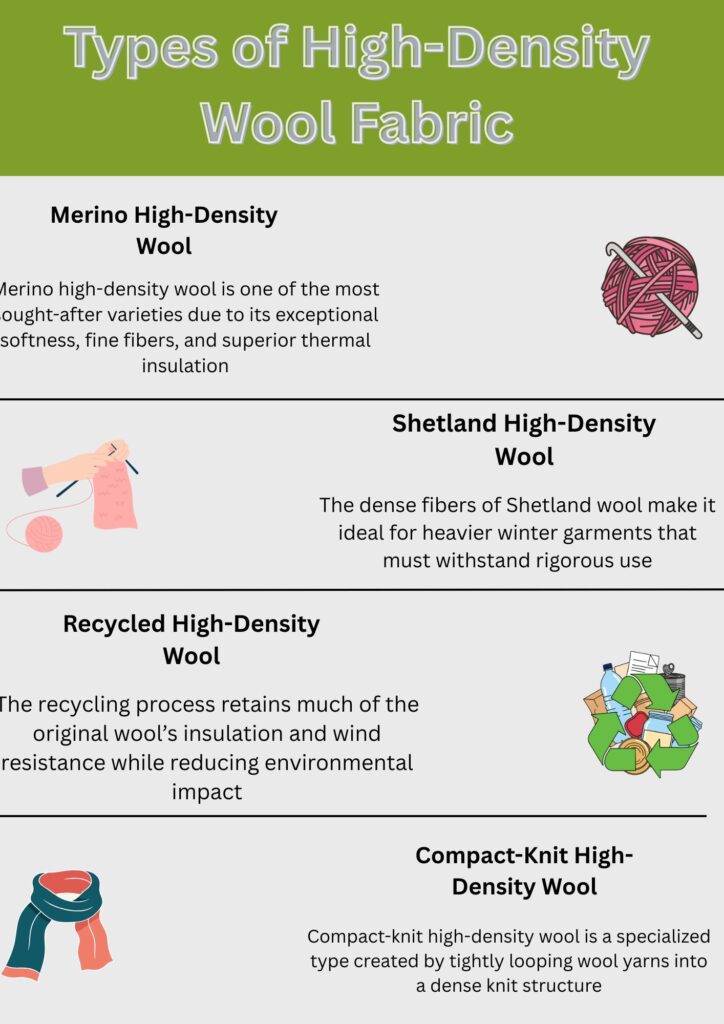
Merino high-density wool is one of the most sought-after varieties due to its exceptional softness, fine fibers, and superior thermal insulation. The Merino sheep produce wool that is naturally smooth, allowing it to be tightly woven or knitted without losing comfort. High-density Merino wool is particularly popular for garments that require both warmth and a luxurious feel, such as winter coats, blazers, and fine trousers. In addition to providing insulation, Merino wool regulates body temperature efficiently, preventing overheating during outdoor activities. Its elasticity ensures a comfortable fit, while its dense construction provides wind resistance, making it highly versatile for both urban and outdoor winter wear.
Shetland High-Density Wool
Shetland high-density wool is slightly coarser than Merino but excels in durability and warmth. The dense fibers of Shetland wool make it ideal for heavier winter garments that must withstand rigorous use. This type of high-density wool is often used for outerwear such as overcoats, thick scarves, and insulated jackets. Its texture gives garments a robust structure, which allows them to retain shape over long periods. Additionally, Shetland wool naturally resists moisture and wind, offering protection in harsh winter climates. While it may not be as soft as Merino, the fabric compensates with resilience, thermal performance, and long-lasting wear.
Recycled High-Density Wool
Recycled high-density wool is an eco-friendly option that combines sustainability with performance. This fabric is made from post-consumer or post-industrial wool, which is cleaned, sorted, and re-spun into dense, durable yarns. The recycling process retains much of the original wool’s insulation and wind resistance while reducing environmental impact. Recycled high-density wool is suitable for winter coats, home textiles like blankets, and industrial insulation applications. Its production supports the circular economy, providing a responsible alternative to virgin wool while maintaining warmth and longevity comparable to traditional high-density wool fabrics.
Compact-Knit High-Density Wool
Compact-knit high-density wool is a specialized type created by tightly looping wool yarns into a dense knit structure. This type offers both flexibility and insulation, allowing garments to move comfortably with the body while retaining heat. It is often used in winter sweaters, cardigans, and thermal underlayers that require stretch without compromising warmth.
Benefits of High-Density Wool Fabric for Winter
High-density wool provides warmth without excessive bulk, making it possible to wear fewer layers while staying comfortable. This is especially beneficial for people who live in regions with severe winter conditions. Moreover, garments made from this fabric retain their shape and structure, even after repeated use, which makes them a reliable choice for daily wear and professional attire.
Another advantage is its natural odor resistance. The fibers absorb moisture but inhibit the growth of bacteria that cause unpleasant smells. This means garments remain fresh longer, reducing the need for frequent washing. In addition, high-density wool is eco-friendly and biodegradable. Unlike synthetic fabrics, it is made from renewable resources and contributes less to environmental pollution.
The fabric is also highly versatile and comfortable in extreme cold climates. Its balance of warmth, breathability, and elasticity allows freedom of movement and reduces the risk of overheating or dampness. Whether for urban commuting or outdoor winter activities, high-density wool provides reliable comfort and performance.
Common Uses of High-Density Wool Fabric
High-density wool is widely used in clothing and home textiles due to its performance properties. It is a preferred choice for winter coats, overcoats, and jackets, offering warmth and wind resistance without the need for heavy layering. Blazers and formal wear crafted from this fabric maintain their structure and present a crisp, luxurious appearance. Wool trousers and skirts provide professional comfort while remaining durable enough for frequent wear.
In the home and industrial sectors, high-density wool is used for blankets, upholstery, and insulating liners. Its density provides excellent thermal insulation, while the natural fiber structure adds durability and softness. High-density wool is also used in acoustic panels to absorb sound effectively, showcasing its versatility beyond clothing applications.
High-Density Wool Fabric vs Other Winter Fabrics
Comparison With Cashmere
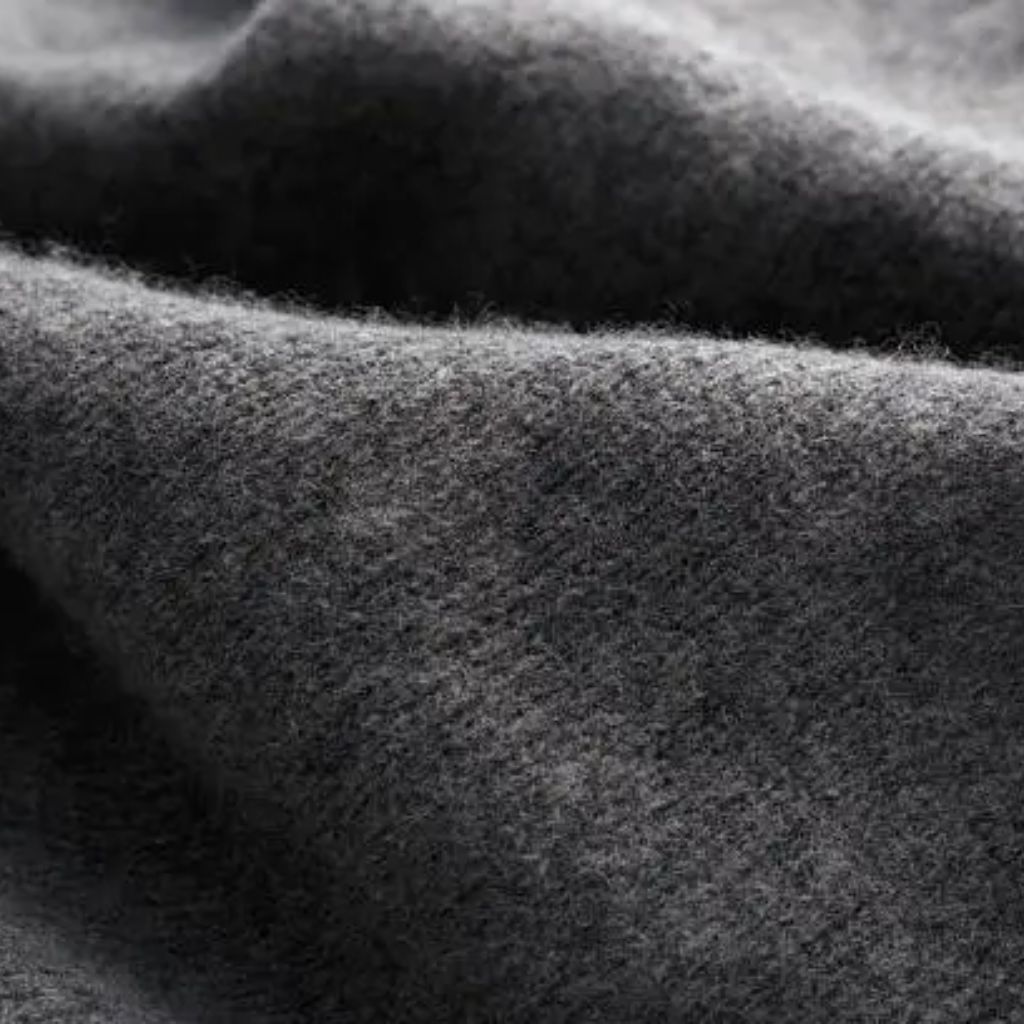
High-density wool fabric differs from cashmere in both structure and performance. While cashmere is renowned for its softness and lightweight feel, it is generally less dense than high-density wool. As a result, cashmere provides moderate warmth but may not perform as well in windy or extremely cold conditions. High-density wool, on the other hand, combines the insulating properties of dense fibers with durability, maintaining its structure over prolonged use. Moreover, high-density wool tends to be more resistant to pilling and wear, whereas cashmere often requires extra care to preserve its delicate texture. Therefore, for individuals seeking both warmth and longevity, high-density wool offers a more practical solution without compromising comfort.
Comparison With Fleece
Fleece is a popular winter fabric due to its affordability and lightweight feel, but it differs significantly from high-density wool. Fleece is typically made from synthetic fibers, which can trap heat but lack breathability and natural moisture regulation. In contrast, high-density wool fabric naturally wicks away moisture while allowing airflow, preventing the damp, clammy feeling often associated with synthetic fabrics. In addition, fleece is less sustainable and contributes to microplastic pollution when washed, whereas high-density wool is biodegradable and renewable. While fleece is ideal for casual or athletic wear, high-density wool provides superior warmth, eco-friendliness, and structural longevity, making it a more versatile choice for winter clothing and professional attire.
Comparison With Synthetic Insulation
Synthetic insulation, often found in down-alternative jackets, is designed to retain heat efficiently and resist water. However, high-density wool fabric offers a natural alternative that combines insulation, breathability, and sustainability. Unlike synthetic fibers, high-density wool does not release microplastics and is fully biodegradable, giving it a significant environmental advantage. Moreover, the dense structure of the wool provides natural wind resistance and odor control, which synthetic insulation may lack. While synthetic insulation is lightweight and can dry faster, it often loses its thermal properties over time, whereas high-density wool maintains warmth and structure even after years of use. Therefore, for those prioritizing long-term performance, comfort, and sustainability, high-density wool is a superior option.
Summary of Differences
Overall, high-density wool fabric outperforms cashmere in durability and wind resistance, surpasses fleece in breathability and eco-friendliness, and offers a natural, long-lasting alternative to synthetic insulation. Its combination of warmth, moisture control, and resilience makes it one of the best natural fabrics for winter clothing. People who choose high-density wool benefit from a versatile material that adapts to both urban and outdoor winter conditions, providing reliable performance without the need for constant maintenance or replacement.
Is High-Density Wool Fabric Good for Extreme Cold?
High-density wool fabric is exceptionally well-suited for extreme cold conditions due to its unique combination of natural insulation, wind resistance, and moisture management. Unlike regular wool or synthetic alternatives, high-density wool has tightly packed fibers that trap body heat effectively while preventing cold air from penetrating the garment. This dense structure acts as a natural barrier against frost and biting winds, which is especially valuable in regions where temperatures regularly drop below freezing. As a result, garments made from this fabric, such as winter coats, overcoats, and insulated trousers, provide consistent warmth without the need for excessive layering.
In addition to insulation, high-density wool offers remarkable breathability, which sets it apart from many synthetic winter fabrics. While synthetic materials can trap heat, they often retain moisture, leaving the wearer feeling damp and uncomfortable during prolonged exposure to cold weather. High-density wool, on the other hand, naturally wicks moisture away from the skin. This ensures that sweat does not accumulate, which could otherwise lower body temperature and increase the risk of chills. Consequently, this fabric is highly practical for both outdoor winter activities and urban commuting, where fluctuating temperatures demand adaptive warmth.
How to Identify High-Quality High-Density Wool Fabric
Determining high-quality high-density wool fabric involves evaluating several factors. The fabric weight, measured in GSM, indicates density and insulation capacity. A heavier fabric typically provides better warmth. The touch and compression test can reveal quality, as high-density wool springs back when pressed. Fiber origin labeling, such as Merino or certified recycled wool, helps confirm authenticity and quality.
Weave tightness is also a key factor, as closer knitting or weaving increases density and insulation. Certifications like RWS or OEKO-TEX offer additional assurance of ethical sourcing and safety. By checking these aspects, consumers can ensure that the wool they purchase offers maximum performance and longevity.
How to Care for High-Density Wool Fabric
Proper care is essential to maintain the performance, appearance, and longevity of high-density wool fabric. Although it is durable and naturally resilient, this fabric requires attention to washing, drying, storage, and general handling to prevent shrinkage, pilling, and damage to the fibers. Following simple care techniques ensures that high-density wool garments remain soft, warm, and functional for years.
Washing High-Density Wool Fabric
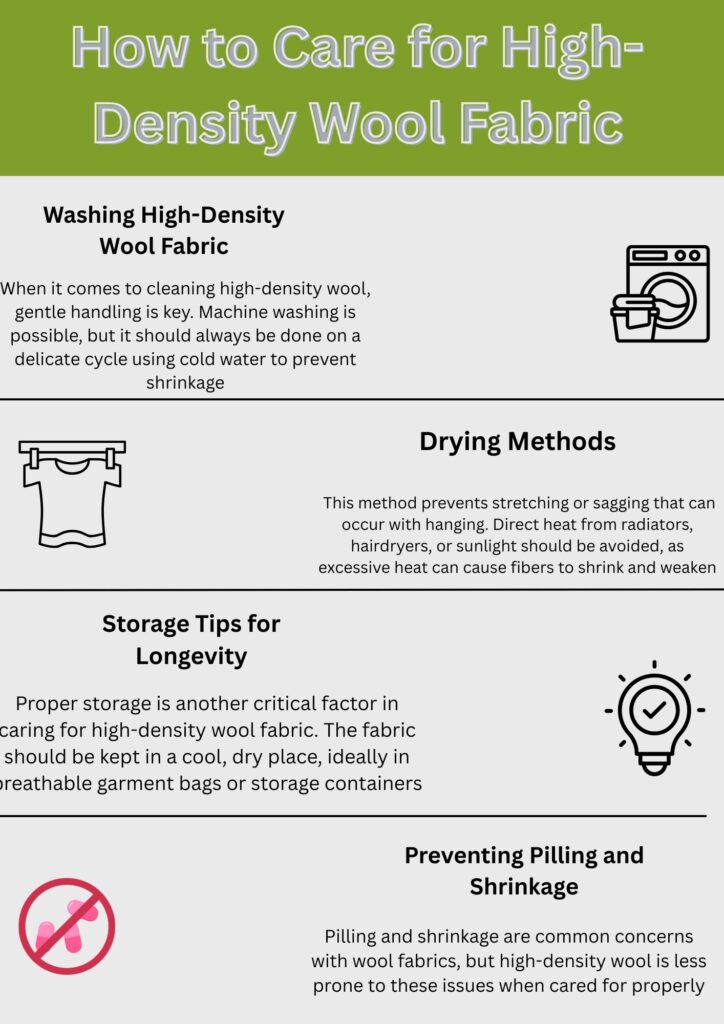
When it comes to cleaning high-density wool, gentle handling is key. Machine washing is possible, but it should always be done on a delicate cycle using cold water to prevent shrinkage. Using harsh detergents can strip the wool of its natural oils, which help maintain insulation and softness. Therefore, it is recommended to use mild, wool-specific detergents that preserve fiber integrity. In addition, hand washing is often the safest method for delicate garments, such as tailored coats or fine wool blazers.
Drying Methods
After washing, high-density wool fabric should be dried carefully to maintain its shape and texture. The most effective method is flat drying, where the garment is laid on a clean, dry towel and gently reshaped to its original dimensions. This method prevents stretching or sagging that can occur with hanging. Direct heat from radiators, hairdryers, or sunlight should be avoided, as excessive heat can cause fibers to shrink and weaken.
Storage Tips for Longevity
Proper storage is another critical factor in caring for high-density wool fabric. The fabric should be kept in a cool, dry place, ideally in breathable garment bags or storage containers. Avoid plastic coverings, as they can trap moisture and create an environment for mold or mildew. High-density wool is also attractive to moths, so it is advisable to use natural repellents such as cedar blocks or lavender sachets when storing garments for extended periods.
Preventing Pilling and Shrinkage
Pilling and shrinkage are common concerns with wool fabrics, but high-density wool is less prone to these issues when cared for properly. Friction from repeated wearing or improper washing can lead to small fiber balls on the surface. To minimize pilling, it is best to rotate garments, avoid rubbing them against rough surfaces, and use gentle laundering techniques.
Is High-Density Wool Fabric Sustainable?
High-density wool is a sustainable choice for winter fabrics. Wool fibers are renewable, biodegradable, and have low environmental impact compared to synthetic fabrics. Unlike synthetics, they do not release microplastics into water systems during washing. Recycled wool options further enhance sustainability, reducing waste and supporting environmentally responsible production.
Choosing high-density wool helps reduce reliance on synthetic materials, making it an eco-conscious option for clothing and home textiles. It combines performance with responsibility, allowing consumers to enjoy warmth and durability without compromising environmental values.
Read More>> What is GSM in Fabric?
Pros and Cons of High-Density Wool Fabric
The main advantages of high-density wool include exceptional warmth, natural breathability, and durability. Its biodegradable nature and long-lasting structure make it a sustainable and reliable winter fabric. The natural elasticity provides comfort, while its dense structure resists wear and tear.
On the downside, high-density wool is more expensive than regular wool. It is heavier, which may not suit everyone’s preference, and requires careful maintenance to avoid shrinkage or damage. Despite these challenges, the benefits typically outweigh the drawbacks for those seeking premium winter wear.
High-Density Wool Fabric Buying Guide
When purchasing high-density wool, the ideal GSM for winter coats ranges from 350 to 500, providing maximum insulation without excessive weight. Lighter densities are suitable for indoor garments or layered outfits, while heavier fabrics are preferred for outdoor use. Price ranges vary depending on origin, fiber quality, and production method, typically from $50 to $200 per meter.
Buying tips include purchasing from certified online retailers and feeling the fabric in person when possible. Checking fiber content, certifications, and weave tightness ensures that the wool offers both warmth and longevity, making it a worthwhile investment for winter garments.
Conclusion
High-Density Wool Fabric is worth the investment for anyone seeking natural warmth, durability, and eco-friendliness during winter. Its superior insulation, wind resistance, and ability to maintain shape make it ideal for both urban and outdoor use. Whether for professional attire, winter coats, or home textiles, this fabric combines style, comfort, and sustainability. Choosing high-density wool ensures warmth, longevity, and environmentally responsible fashion during the coldest months.
FAQs
Is high-density wool itchy?
Merino-based high-density wool is soft and rarely causes itching. Coarser fibers may irritate sensitive skin.
Can it be worn in mild winter?
Lighter high-density wool fabrics are suitable for mild winter conditions and can be layered with other garments.
Is it better than Merino wool?
High-density Merino wool combines the softness of Merino with superior insulation, durability, and wind resistance.
Does it shrink after washing?
Improper washing can cause shrinkage. Cold water washing, gentle handling, and flat drying prevent this issue.